The cabin changes how the drink feels
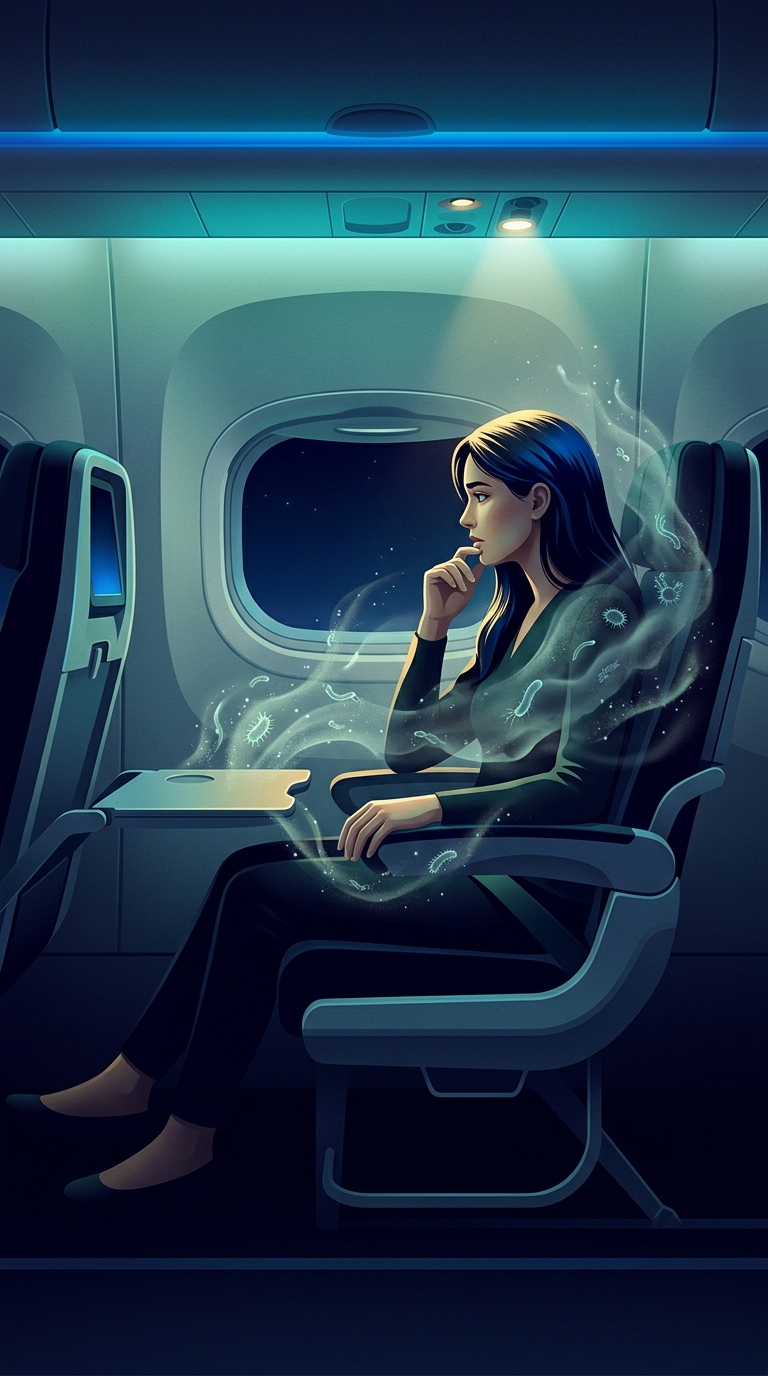
A plane’s cabin is pressurized, but usually not to the air pressure you experience at sea level. It is more like being at moderate altitude—often comparable to roughly 6,000 to 8,000 feet. The air still contains about the same proportion of oxygen, but each breath delivers slightly less of it. For most healthy travelers, that change is modest; combined with alcohol, fatigue, or illness, it can make light-headedness and drowsiness more noticeable.
Alcohol slows activity in the brain and nervous system. It can impair balance, judgment, and alertness even when you are sitting still. In a cramped seat, with little movement and few familiar cues, those effects may feel especially pronounced.
Fatigue adds to the effect
Flying often means an early start, missed sleep, stress, or crossing time zones. Alcohol can make you sleepy at first, but it also disrupts sleep, so its effects may linger into a trip already shaped by fatigue. The cabin’s dry air can add thirst and discomfort, which may make you feel worse, though it does not turn the alcohol in your bloodstream into a larger dose.
The key distinction is between how impaired you feel and how much alcohol you actually drank. Two glasses remain two glasses; cabin conditions do not magically convert them into a bottle. But lower cabin pressure and travel fatigue can make the same dose feel more disorienting or exhausting than it would at home.
That is why a drink that seems harmless at the gate can feel like too much halfway through the flight: the alcohol is acting on a body already coping with an unfamiliar environment and disrupted rest.