When winter closed the door on travel
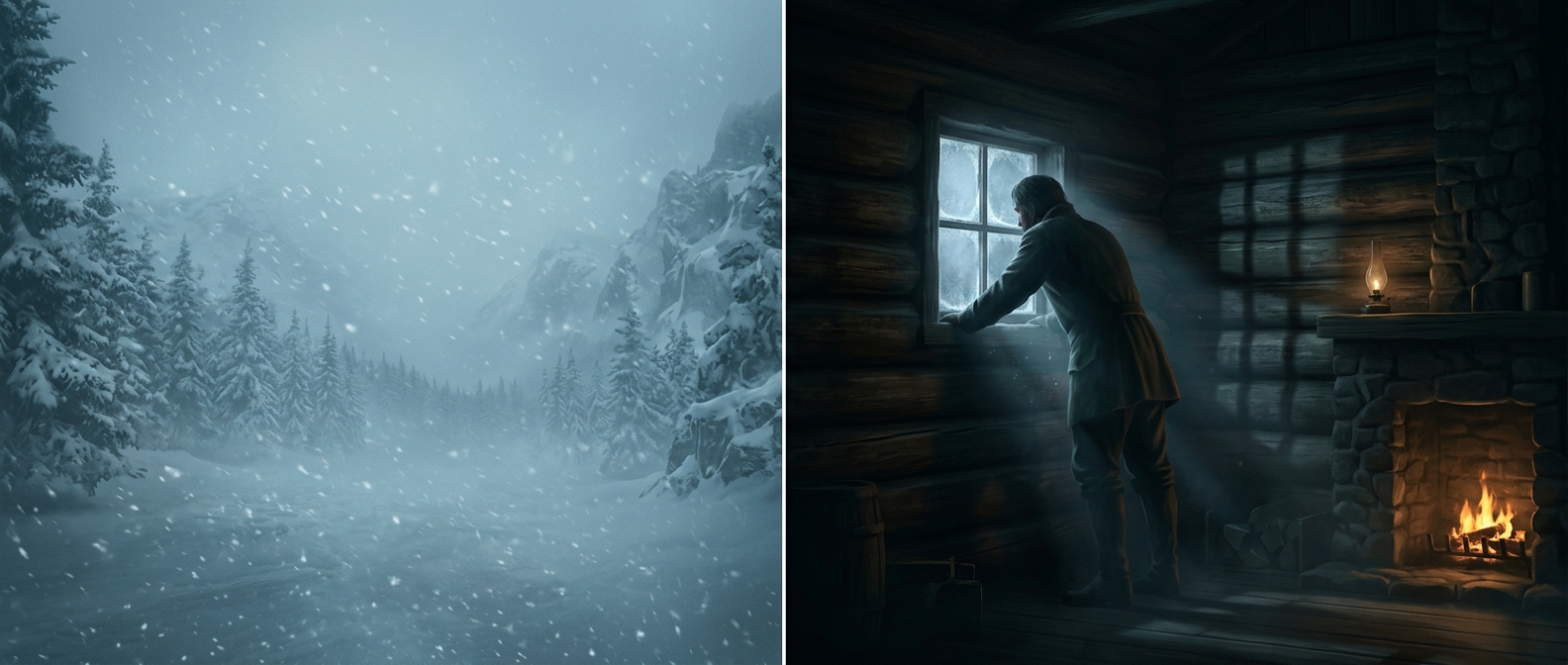
For settlers living in isolated 19th-century cabins, snow could turn an ordinary distance into a barrier. A trip to a neighboring home or settlement might become difficult or unsafe, so weather narrowed the world to the rooms and people close at hand. The confinement was not just a matter of being indoors: it could also mean losing visits, errands, and the change of scenery that made daily life feel varied.
Why close quarters wore on people
A small cabin had to serve as home and workspace, leaving little room to step away from household activity. When outdoor work or travel was limited, the same faces, tasks, and surroundings filled more of the day. That repetition, combined with reduced contact beyond the household, helps explain why prolonged winter confinement could feel oppressive.
The phrase “cabin fever” captures that response to being cooped up; it does not mean that a cabin itself caused an illness. Its historical image is vivid because the setting made the cause tangible: snow outside, close quarters within, and few easy ways to change either.