Why Florence became the setting for “Stendhal syndrome”
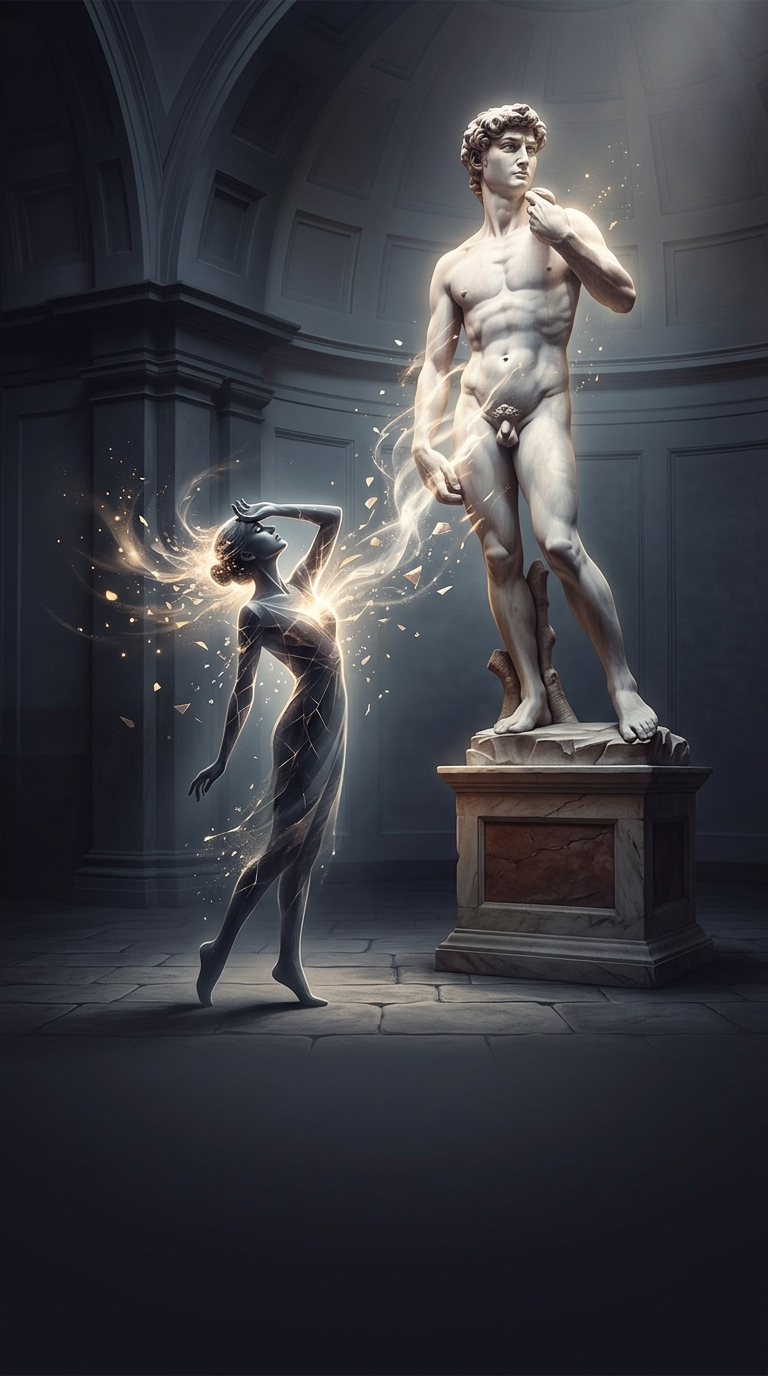
The name comes from the French writer Stendhal, who described feeling overwhelmed during an 1817 visit to Florence’s Basilica of Santa Croce. Much later, a Florence psychiatrist used the term for intense reactions reported by some visitors to the city’s art and historic sites. The label links a modern clinical idea to a place where beauty, history, and a concentrated stream of masterpieces can arrive all at once.
How an emotional response can become physical
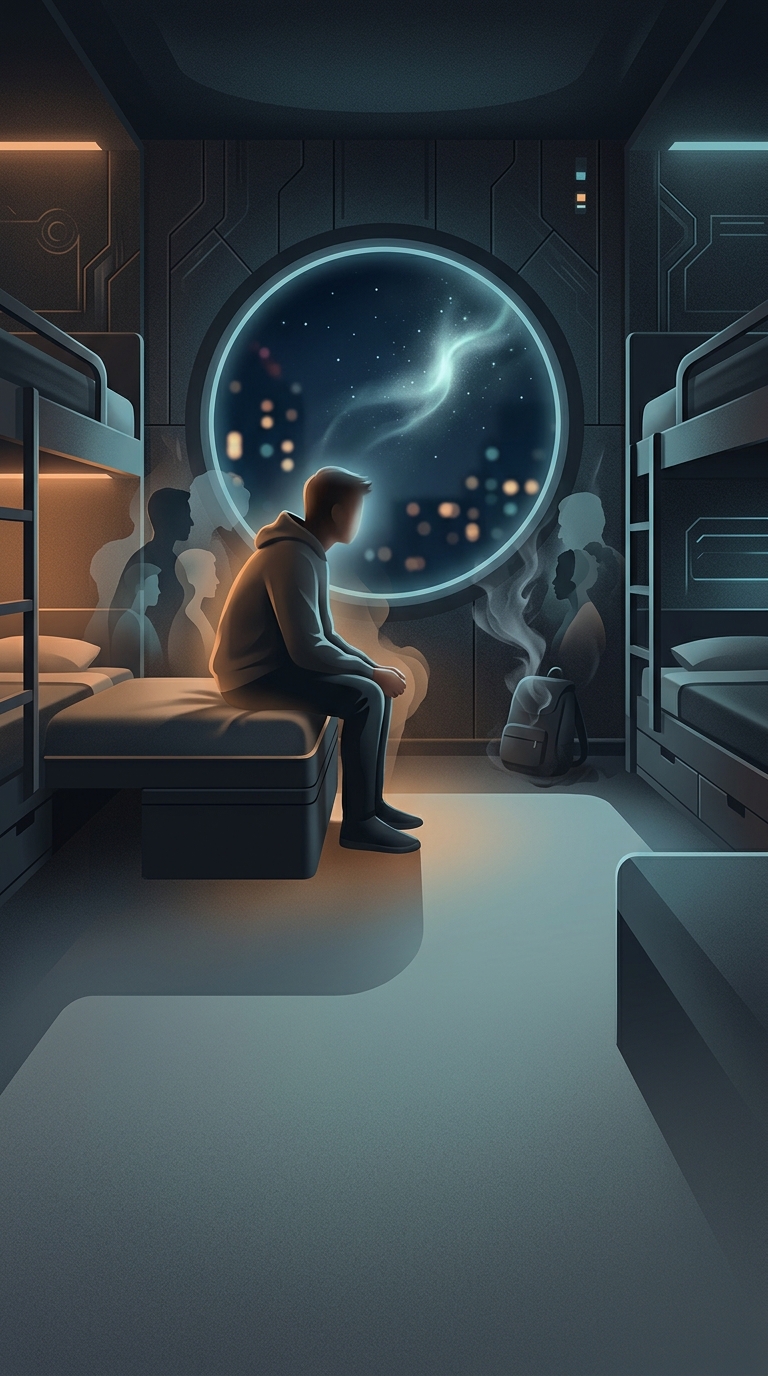
A powerful encounter with art can trigger the body’s stress-response system, even when the emotion is pleasurable rather than frightening. The heart may race; breathing, balance, and attention can feel unsettled. In an extreme episode, a person may faint or experience confusion or hallucinations. These symptoms are real, but they are not a special property of a painting or a predictable reaction to beauty. People differ in how they respond, and fatigue, heat, crowds, or other stressors can add to the strain.
The practical consequence of an intense visit
Florence’s museums and churches ask visitors to absorb layer upon layer of visual detail, often while moving through busy rooms and long days of sightseeing. A strong reaction is a reminder that cultural tourism is also a physical experience: the body can need a pause before the mind is ready to move on. Sitting down, getting fresh air, and taking time away from the crowds may matter as much as the next stop on the itinerary.