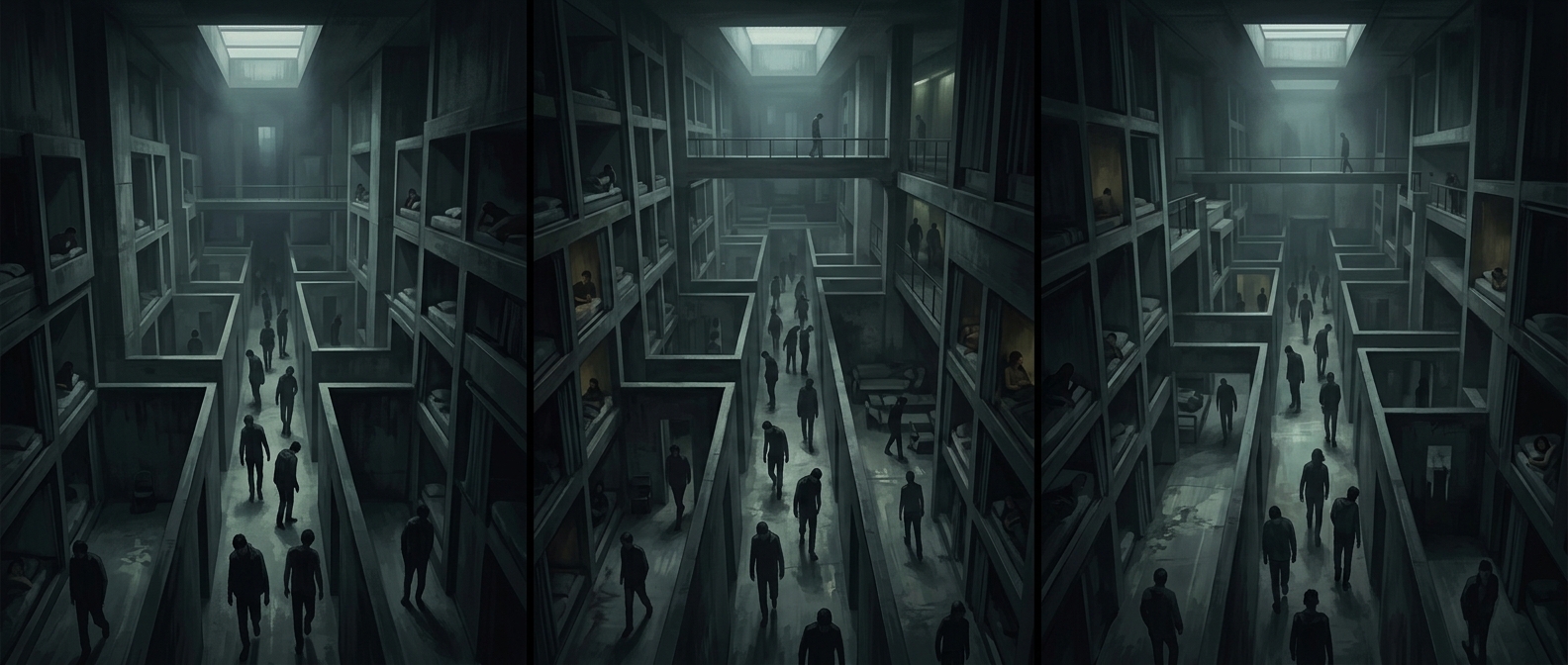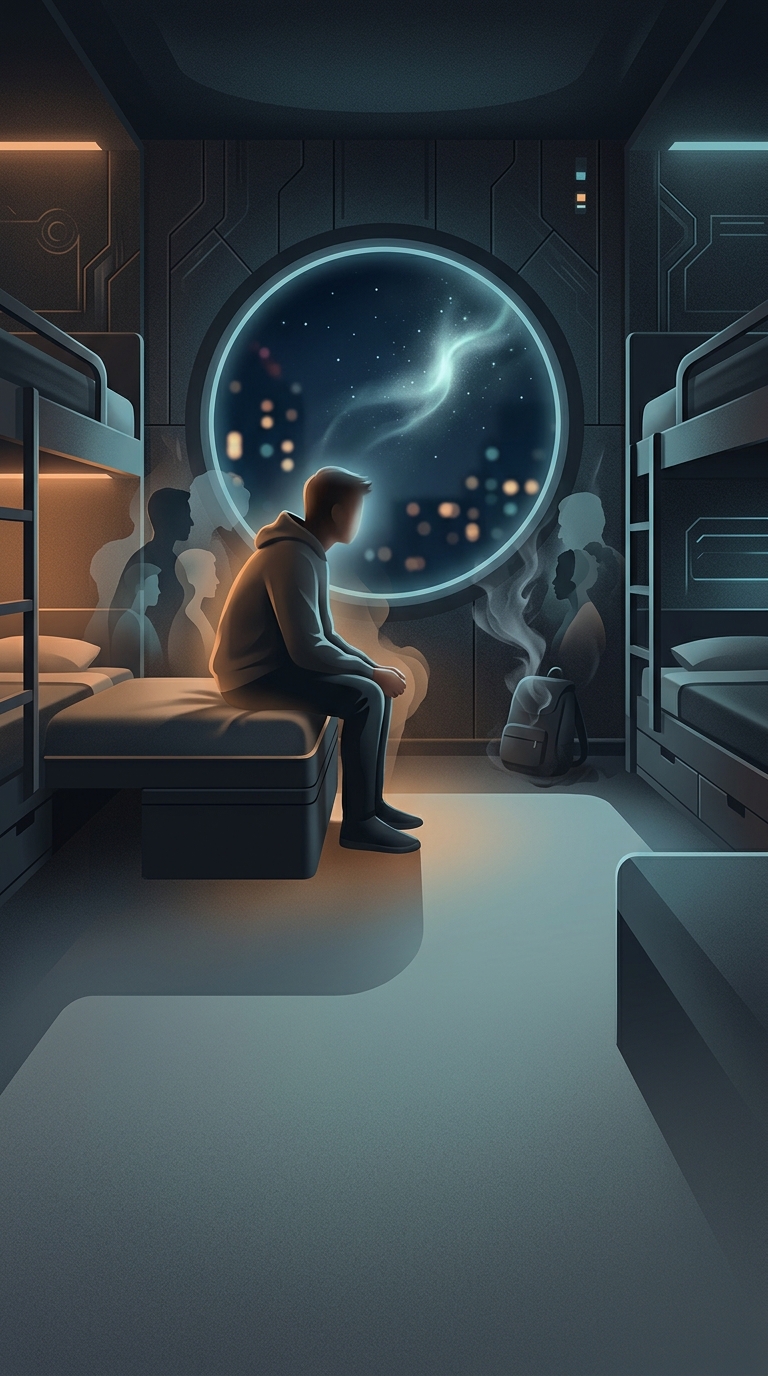
The road can change the scenery, not the person
After months of hostel travel, a sobering realization can emerge: constant movement does not automatically create a new self. A new city may bring fresh streets, routines, and companions, but familiar worries and habits often travel along. If someone hoped that leaving home would make them feel settled, confident, or certain, the next destination may not deliver that feeling either.
Why the feeling catches travelers off guard
Backpacking makes change unusually visible. Each move brings a new bed, a different group of people, and another set of practical decisions. That novelty can be energizing, but it can also postpone the quieter work of building stable routines or facing an unresolved problem. When the excitement fades—on a long bus ride, during a solo meal, or after saying goodbye to people met only days ago—the contrast can feel sharp.
Hostel life adds its own twist. Travelers may form close bonds quickly, then part ways just as quickly. The connection can be genuine even when it is brief. Over time, repeated departures may leave someone wondering whether they are collecting meaningful experiences or simply staying in motion.
What the realization can change
It does not mean the trip was pointless, or that every backpacker feels lonely or regretful. It can mean that travel is better at revealing a need than satisfying it: a need for rest, lasting relationships, or a life that feels purposeful when nothing is new. Some travelers respond by slowing down, staying longer, or making plans that continue beyond the next destination.
The unsettling part is not that the world runs out of places to go. It is that the next place cannot, by itself, answer what a traveler wants to come home to.