A schoolroom became the first experiment
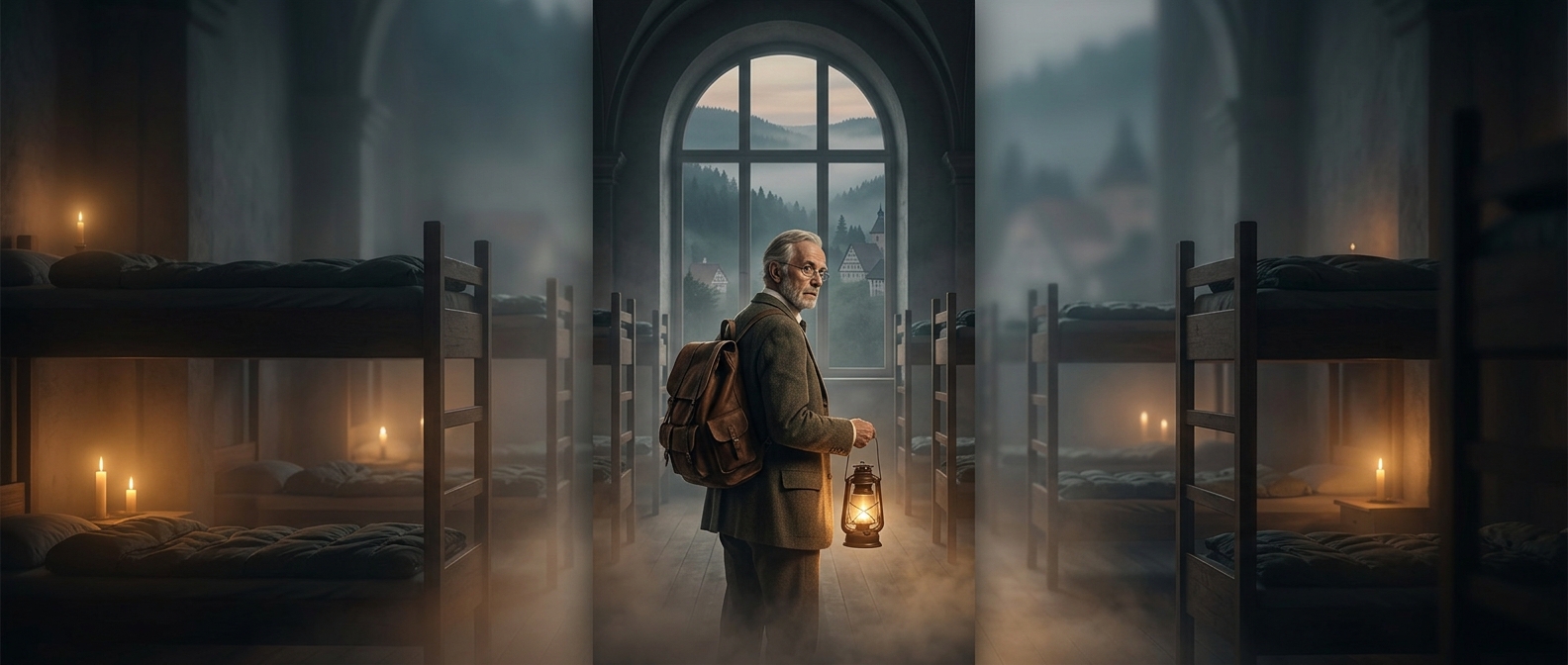
Richard Schirrmann was a German schoolteacher who wanted young people to experience the countryside beyond the crowded industrial towns. On walking trips, he found that a lack of affordable places to sleep could cut an excursion short. In 1909, he turned a schoolroom into temporary lodging for a group of students; the idea grew into a network of youth hostels, including a permanent one at Altena Castle in 1912.
The lodging was meant to shape the travelers, not merely shelter them. A hostel stay belonged to a wider program of walking, fresh air, self-discipline, and shared responsibility. Guests helped with practical tasks rather than treating the place as a hotel where staff did everything for them. The routine made outdoor travel accessible while teaching habits Schirrmann considered good for young people.
Cheap beds came with a way of living
This model answered two problems at once. Young travelers needed inexpensive overnight stops, especially on foot, but Schirrmann also believed that time outdoors could counter the harms he associated with city life. A basic bed, communal work, and a day’s hike were parts of one plan: make travel possible, then use it to encourage health and character.
That purpose helps explain why early hostels could feel closer to organized youth camps than to today’s flexible, service-oriented lodging. Their rules and chores were not incidental inconveniences; they expressed the belief that guests should contribute to the community they used. The lasting legacy is a distinctive bargain: the hostel offered a low-cost place to sleep, but asked travelers to take part in keeping it running.