A schoolteacher made the schoolhouse part of the journey
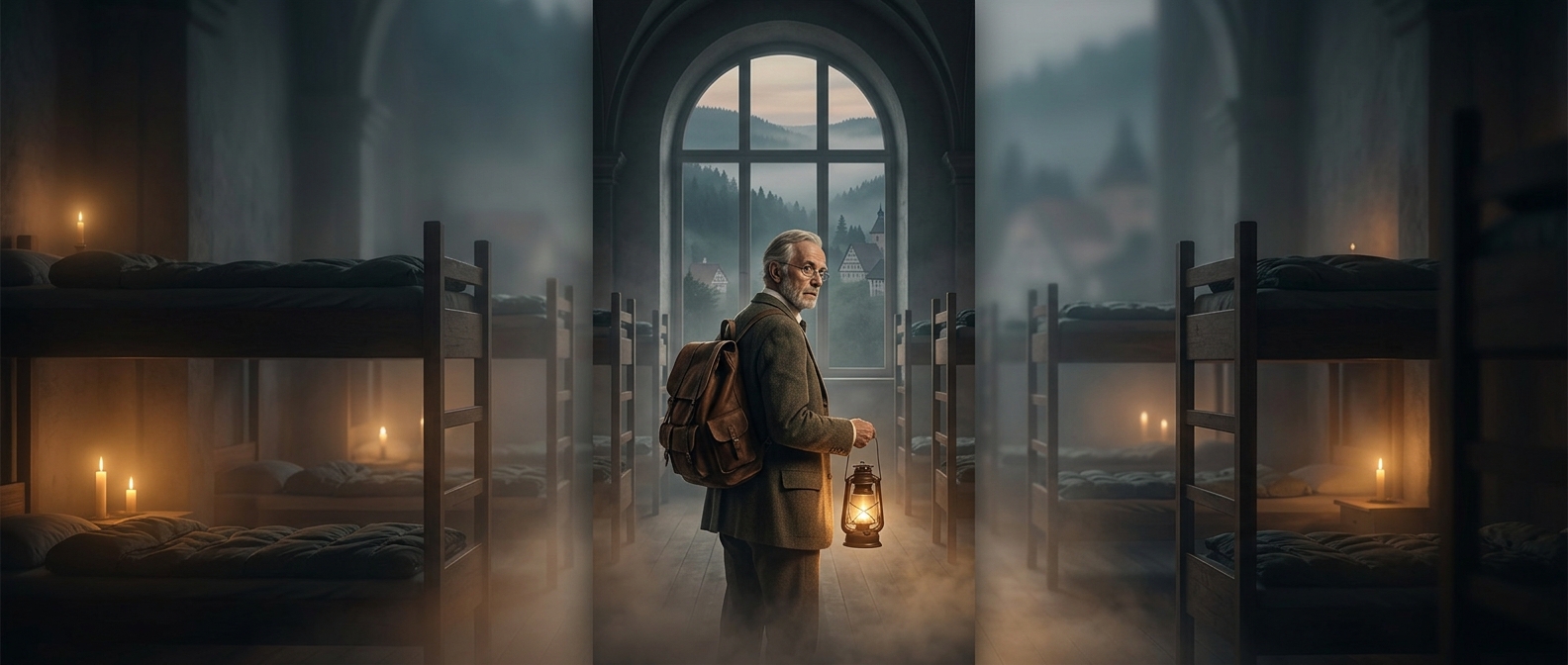
In the early 20th century, German teacher Richard Schirrmann wanted his pupils to experience the countryside, not just read about it. But taking children on multi-day walks raised a practical problem: where could a group sleep without paying for hotels or carrying camping equipment?
Schirrmann’s solution was to make simple overnight shelter part of the trip. Schools could serve as temporary lodging when classrooms stood empty, turning an ordinary building into a base for young walkers. The idea relied on shared, basic accommodation rather than private rooms and hotel service—a tradeoff that made travel possible for groups with limited means.
From temporary shelter to a lasting network
The model developed into the youth hostel: an inexpensive place where travelers, especially young people, could stay in shared rooms and continue exploring on foot. A permanent youth hostel opened at Altena Castle in 1912, giving the idea a fixed home as well as a practical example other communities could follow.
The important innovation was not elaborate architecture. It was a way to use existing spaces and accept simple conditions in exchange for access to places that might otherwise be out of reach. That approach helped make countryside travel a group activity rather than a luxury—and established the basic hostel bargain still familiar today: spend less on the bed, and more of the journey can happen beyond it.