Why a Hostel Sells Beds, Not Just Rooms
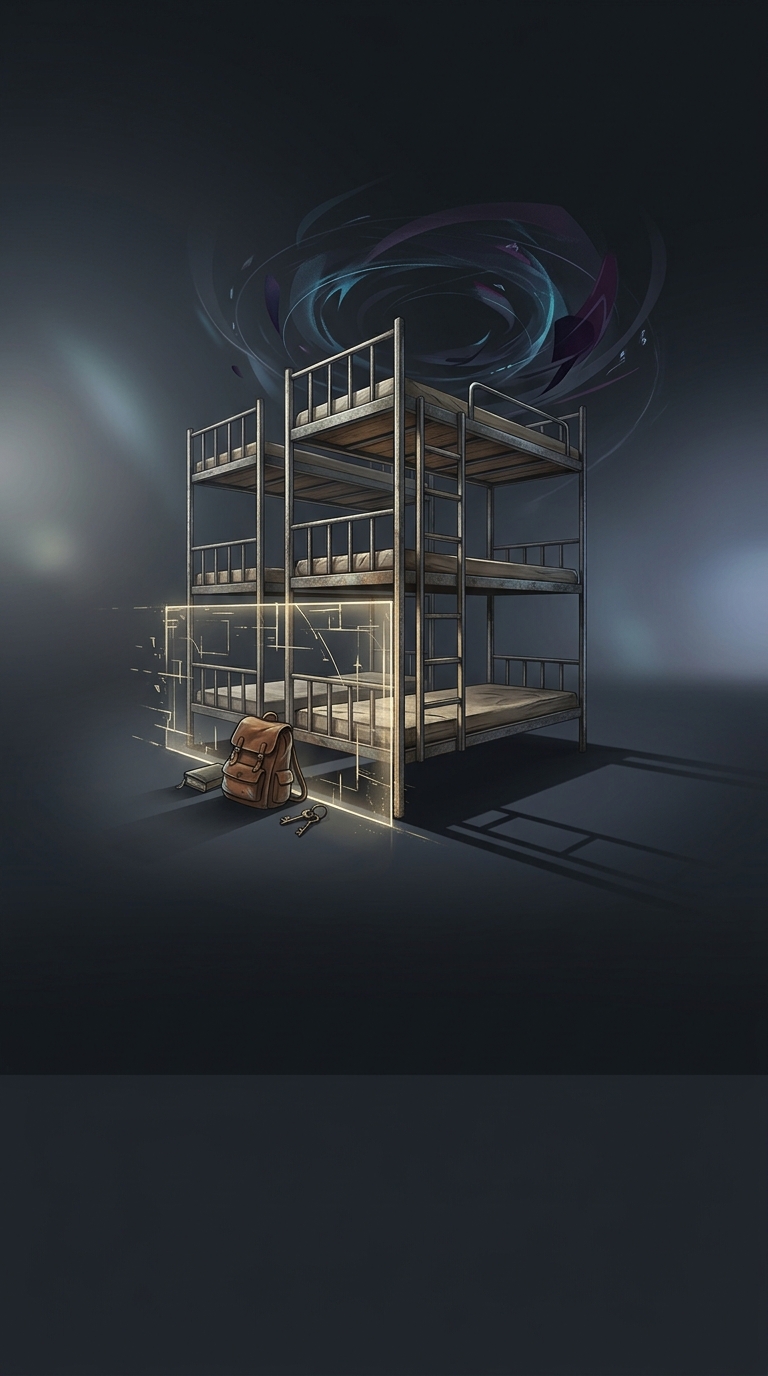
A hotel room is usually priced for the room; a hostel dormitory is priced by the bed. That changes the economics of the space: several travelers can each pay a modest rate while their combined payments cover the room’s rent, cleaning, utilities, and staff. Bunk beds make that arrangement workable by stacking sleeping spaces vertically, leaving more floor area for bags and movement than separate beds would.
The number of beds is not simply a matter of squeezing in as many as possible. Room size, fire-safety requirements, building layout, and local rules constrain capacity. A dormitory’s design also has to leave enough access to beds and exits, even when luggage and overnight guests complicate the shared space.
The Trade Is Privacy for Flexibility
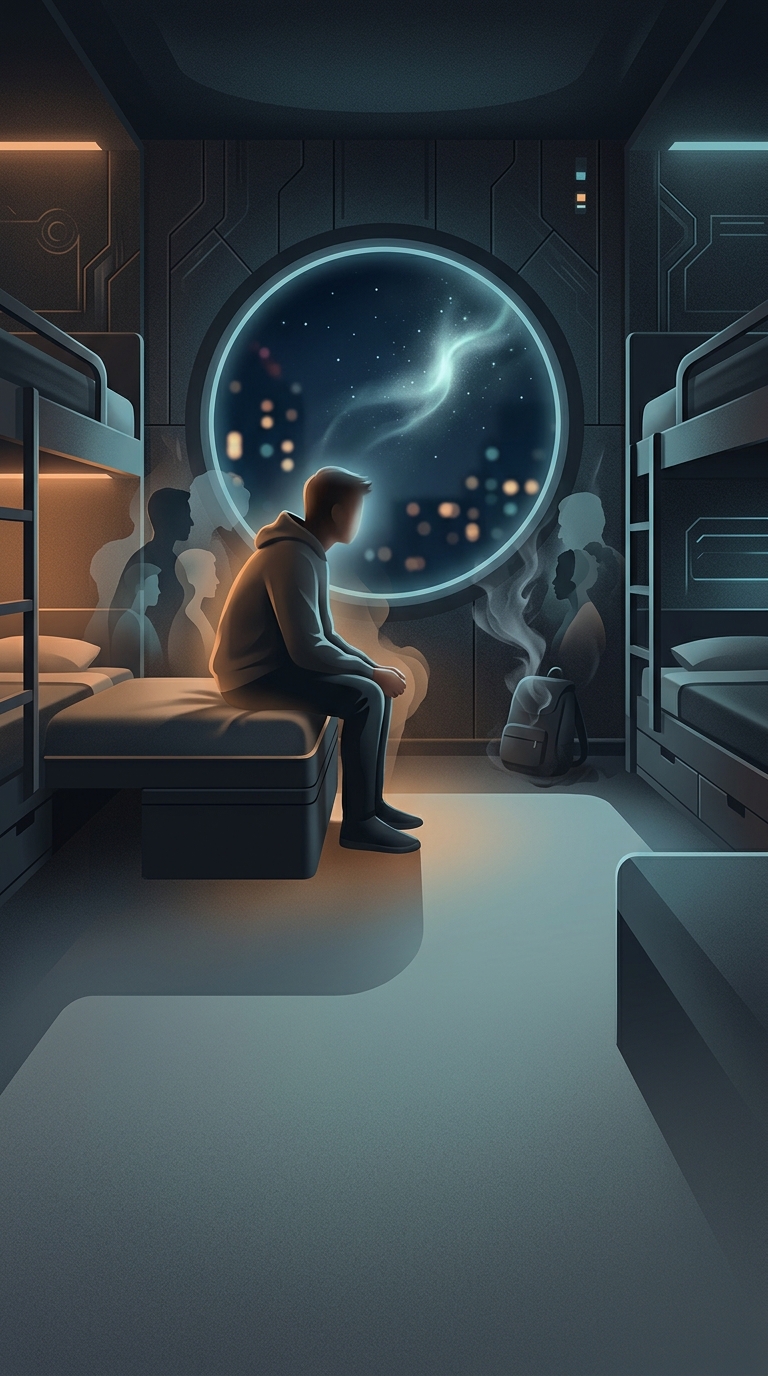
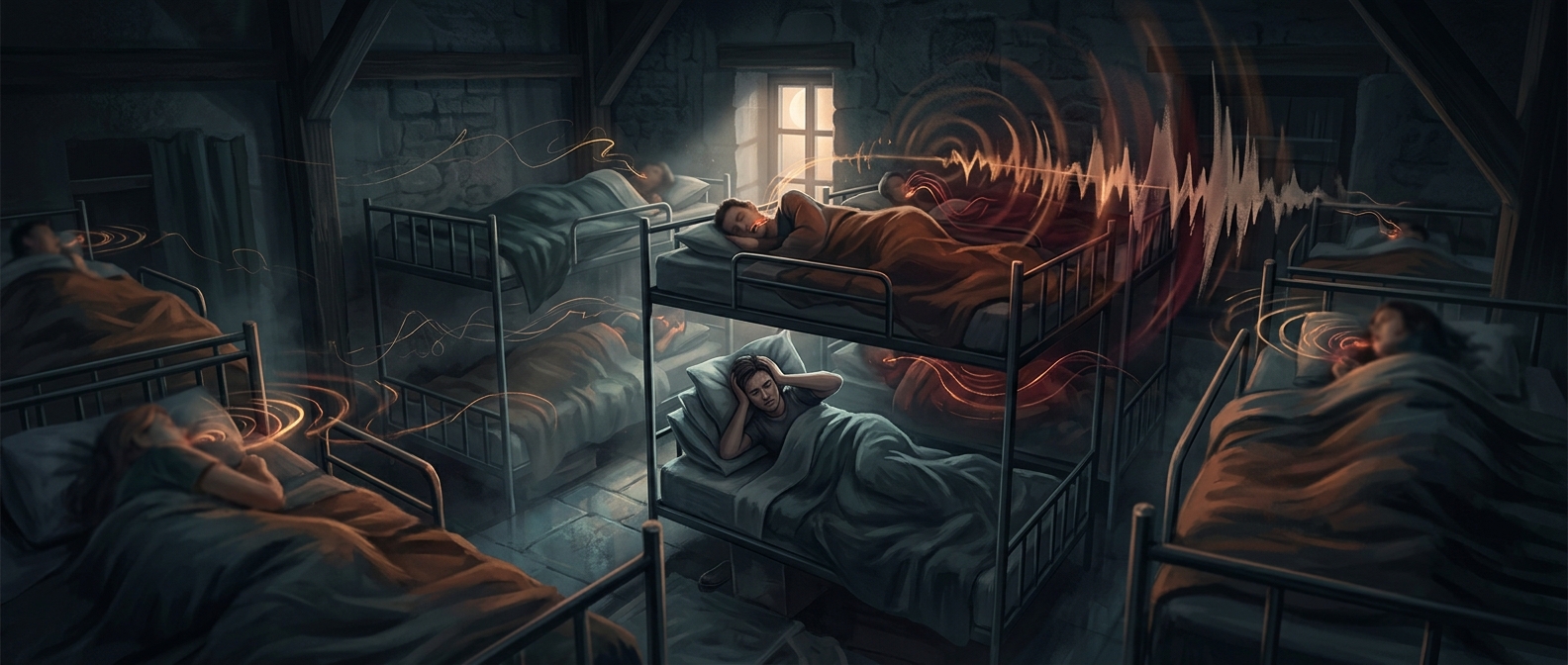
For travelers, the bargain is less about buying a bed alone than accepting a different kind of stay. Dorm guests share sleeping space and often kitchens or bathrooms, so they give up control over noise, lights, and schedules. In exchange, they can pay less than they would for a private room and may meet other travelers without arranging a separate social activity.
That setup makes small design choices matter. Curtains, lockers, reading lights, and clear rules about quiet hours can make a crowded room easier to use, but they cannot eliminate the basic fact that strangers are sharing the same sleeping area. The bunk bed is therefore more than a space-saving fixture: it is the physical expression of the hostel’s central trade—a lower individual price in return for less private space.