The Social Cost of a Cheap Bed
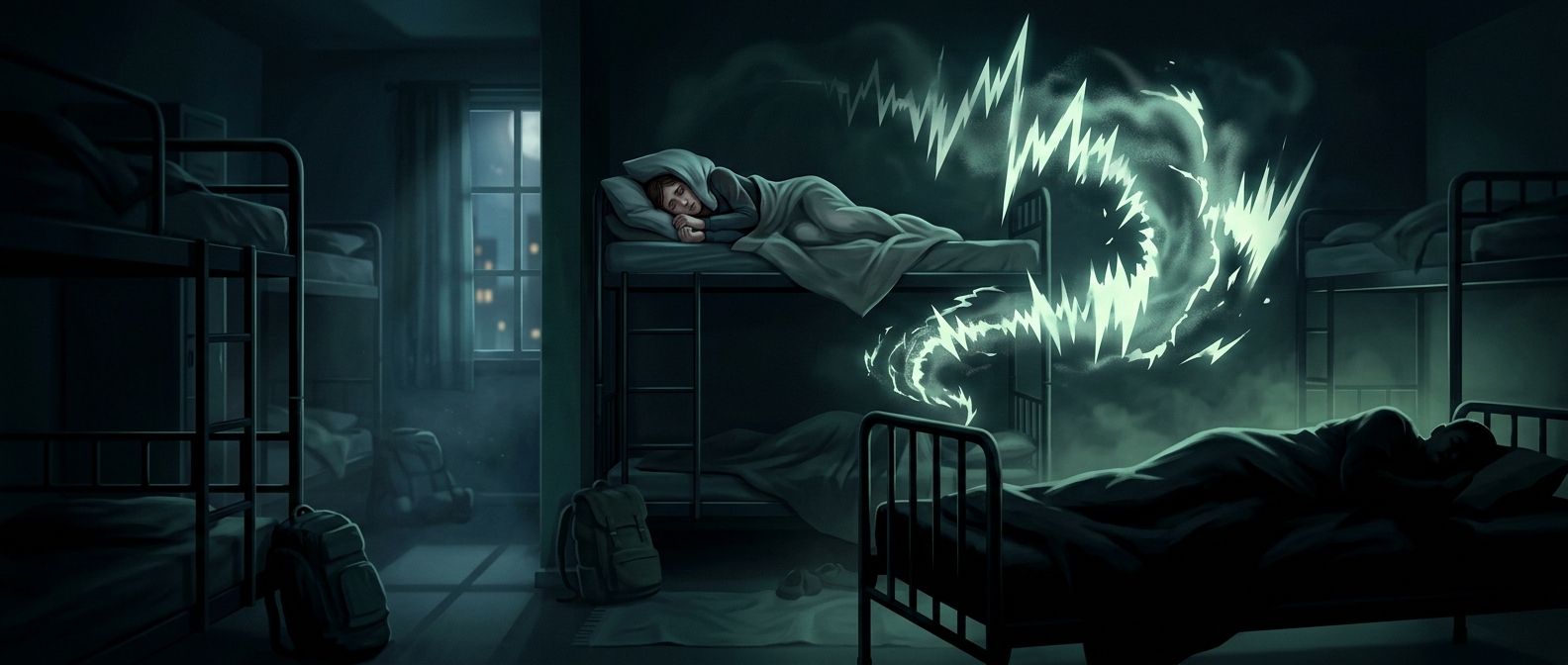
A hostel dorm is cheaper partly because it sells less privacy. Instead of paying for a room to yourself, you rent a bunk in a shared space, where strangers’ schedules, noise, and habits become part of the deal. A guitar at dawn is memorable; more often, the friction is ordinary: someone packing while everyone else sleeps, or switching on the light to find a missing sock.
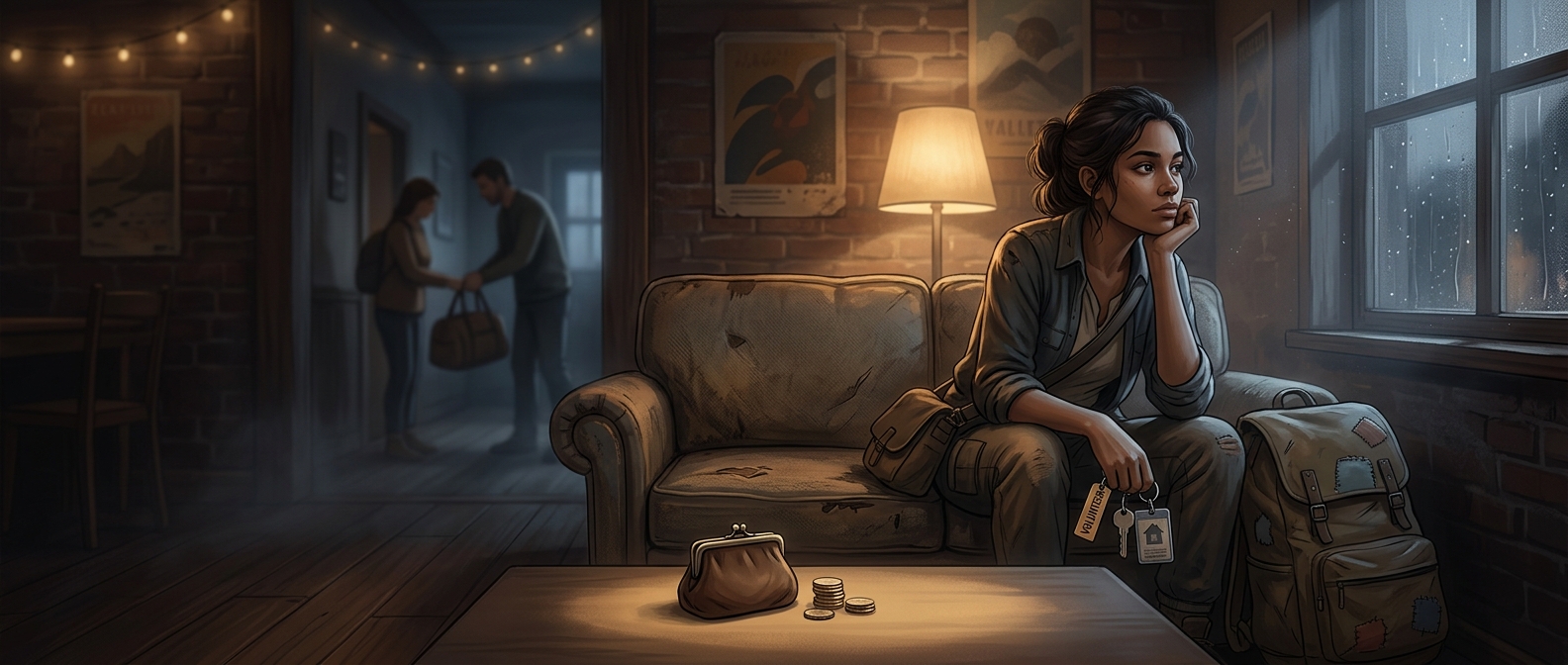
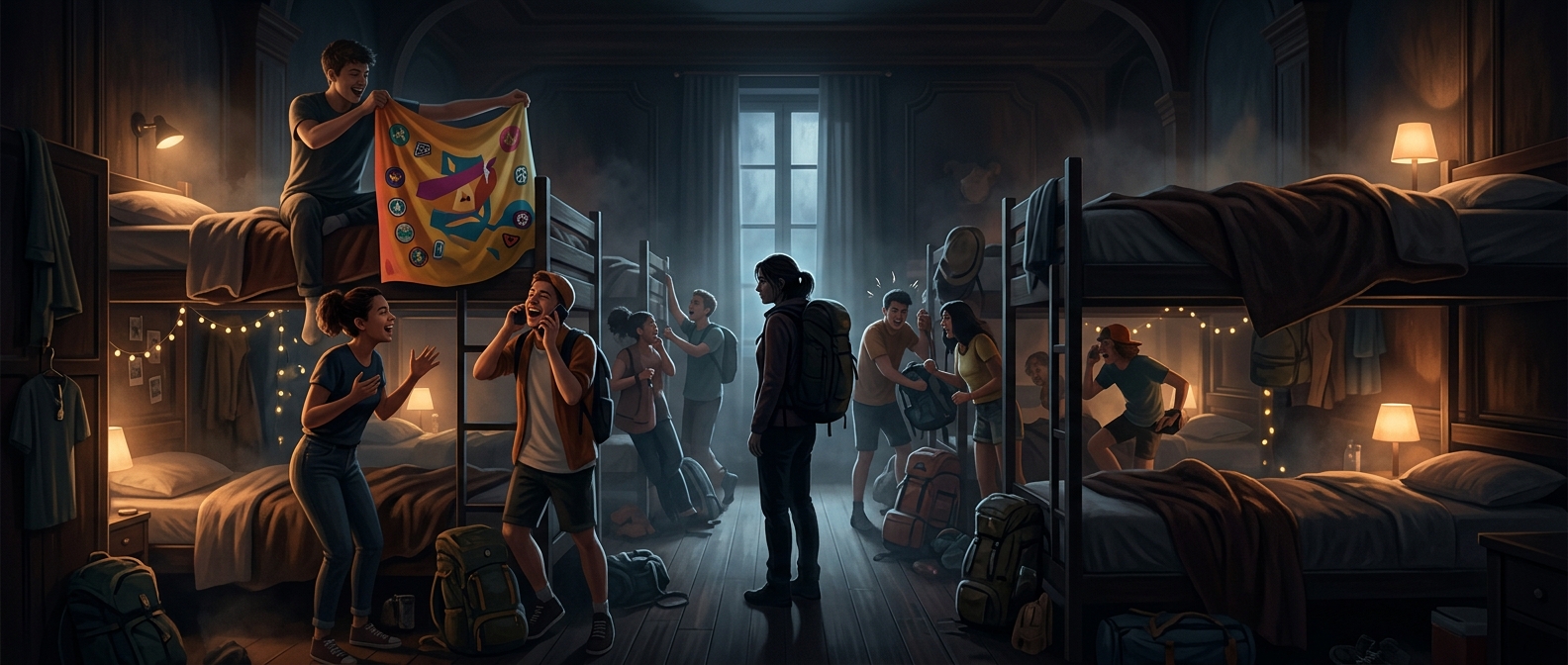
That arrangement also makes meeting people unusually easy. In a hotel, guests can pass from lobby to room without speaking. In a dorm, the shared kitchen, lockers, and bunks create repeated little encounters. A conversation can begin because two travelers are waiting for the same shower—or because one has nowhere else to sit.
Connection Without Much Control
Hostels turn that proximity into an informal social feature, but they cannot reliably control who shows up or how eager anyone is to talk. The same layout that helps a solo traveler find company also makes it harder to avoid someone narrating a life-changing trek at breakfast. “Guaranteed interaction” is less a promise of friendship than a consequence of sharing space.
Travelers who want the hostel’s price and atmosphere can reduce the odds of a rough night by checking room size and quiet-hour policies, or choosing a private room when available. But the basic tradeoff remains: the cheaper the bed, the more of the room—and its occupants—you agree to share.