How a castle became a low-cost stop for young travelers
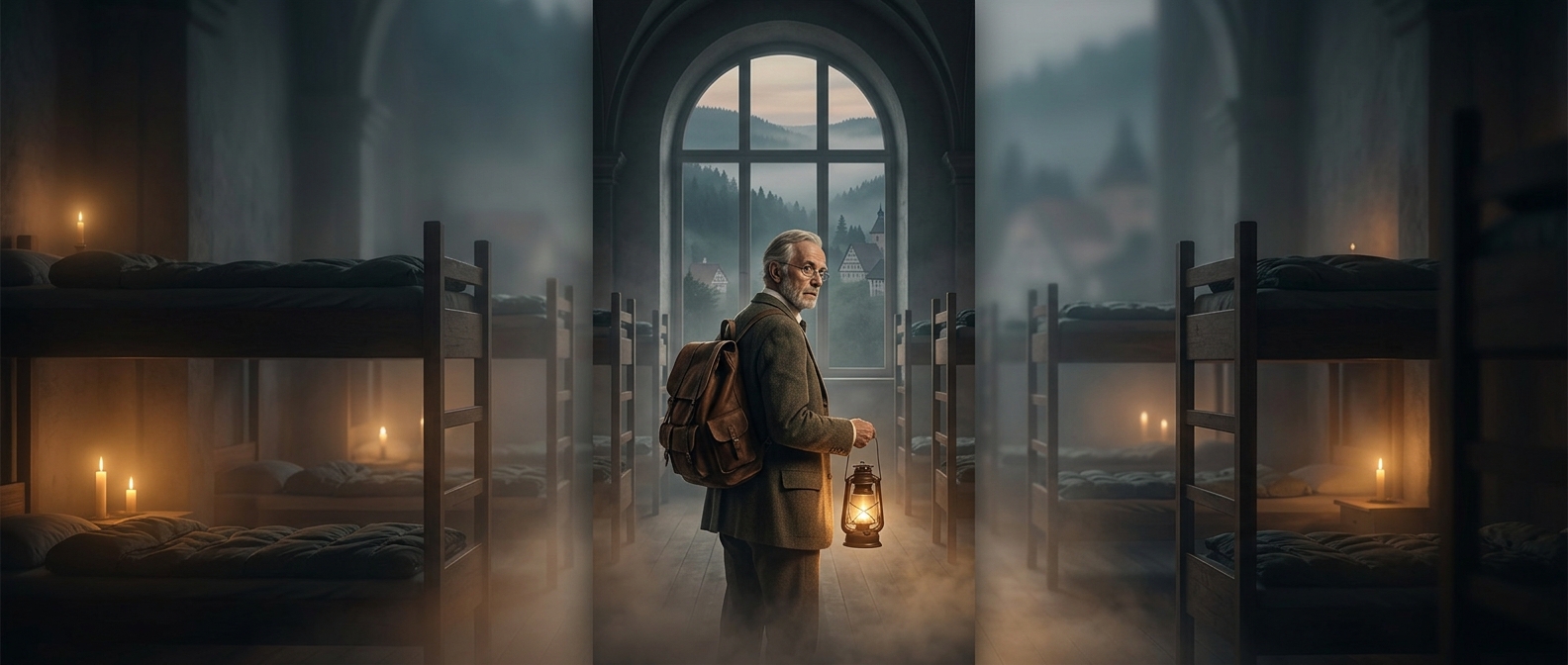
The first permanent youth hostel opened in 1912 at Altena Castle in western Germany. Its setting was grand; its purpose was practical. The hostel offered young people an inexpensive place to sleep while traveling, using shared accommodation rather than the privacy and expense of a conventional hotel room.
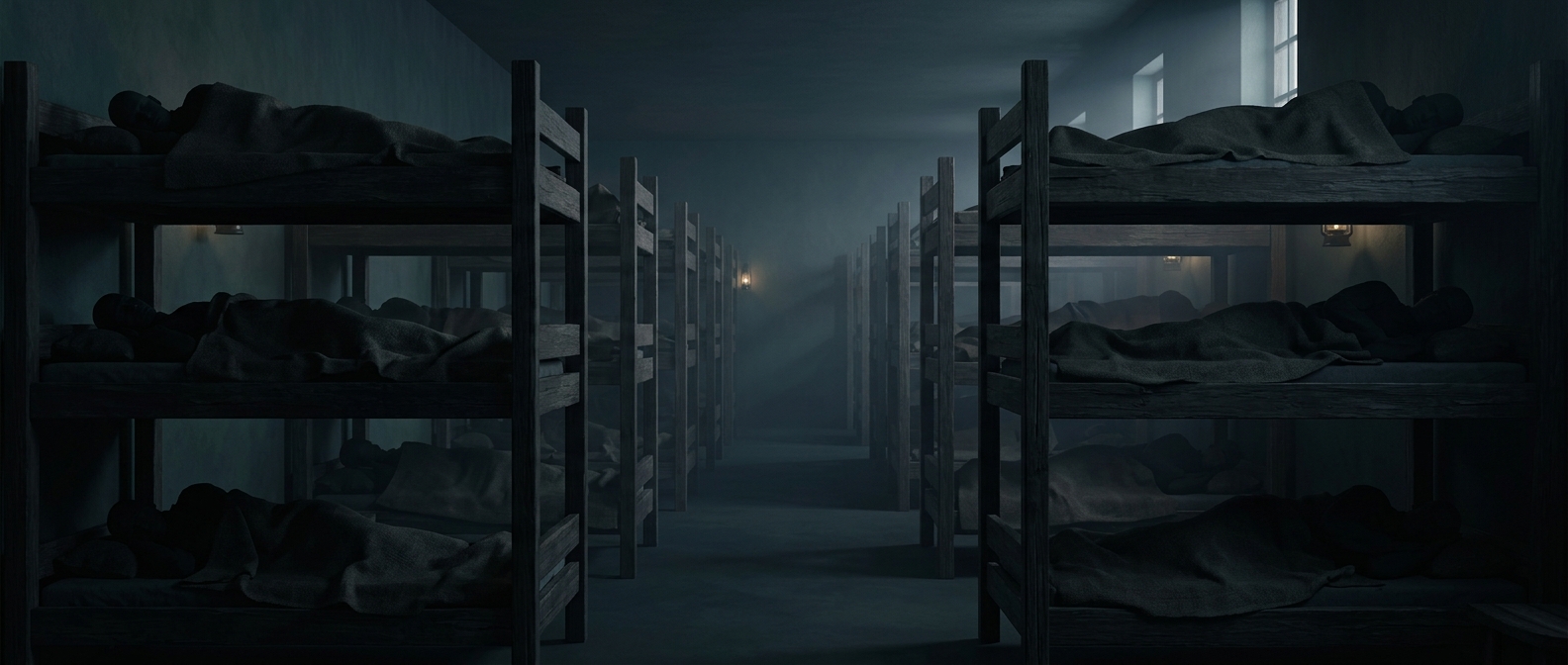
That distinction mattered. A castle could look like a luxury from the outside, but the hostel’s value lay in making a bed available at a price young travelers could manage. Bunk beds and communal rooms let more guests share the cost of a roof and basic facilities.
A new use for an old building
Putting a hostel inside a castle also gave the idea a memorable home. Instead of building a purpose-made hotel, organizers adapted space in an existing landmark for overnight stays. Travelers got a striking destination; the castle gained a role beyond its original defensive and residential functions.
The model helped make travel less dependent on family money or formal lodging. A castle bunk was not a private suite, but it could turn a journey that was otherwise too costly into a possible one. That contrast—medieval surroundings, shared beds, modest prices—made the first hostel’s basic promise hard to forget.