A small chip can cause lasting damage
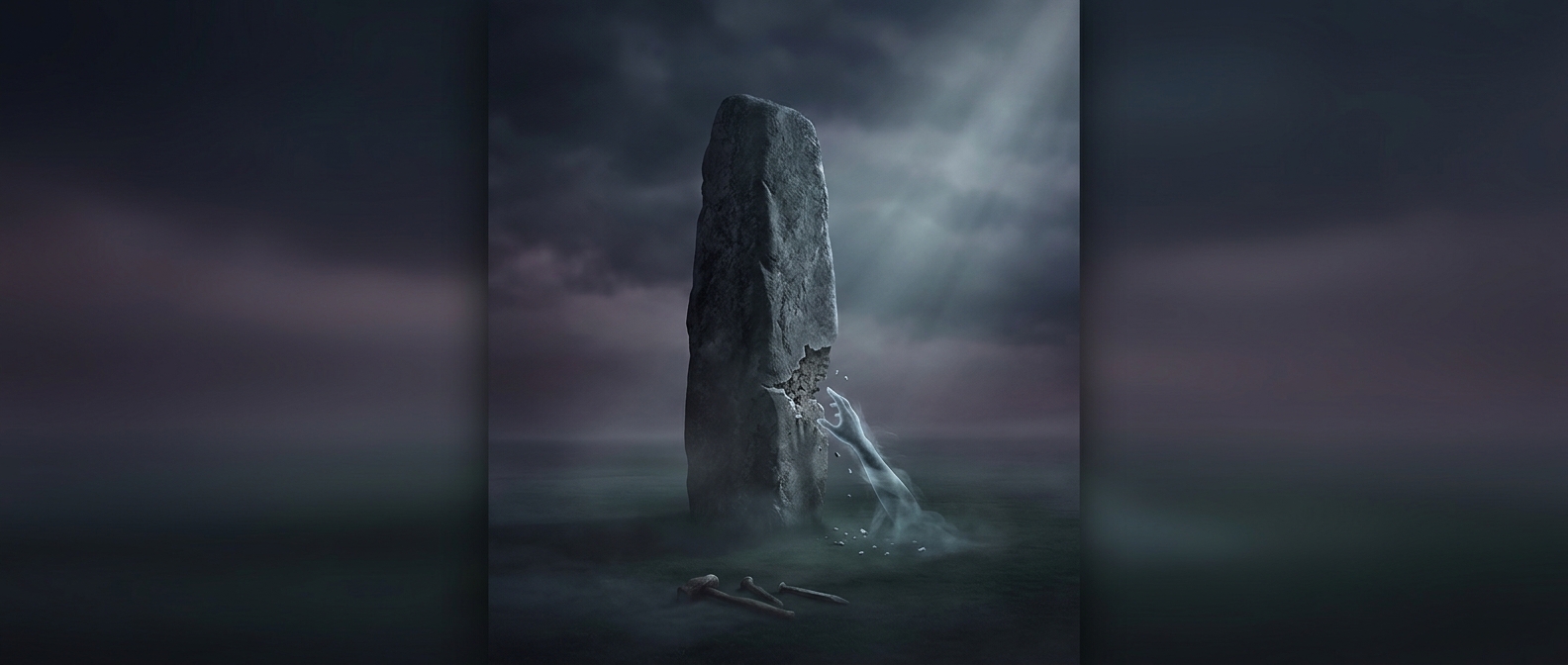
Stonehenge’s stones are not just a striking arrangement; their surfaces are part of the ancient monument. A chisel can remove a piece that weathering cannot replace. Even when each mark seems minor, repeated damage can alter the stones and erase details that archaeologists may use to understand how they were shaped and worked.
Protection changes how visitors experience the site
Keeping people back reduces the chance of deliberate damage and limits the wear that comes from close contact. It also means visitors cannot wander between the stones as they once could. Instead, they view the monument from a set distance, a practical compromise: the closer access that makes a site feel immediate can put the thing people came to see at risk.
That boundary is a reminder that Stonehenge is both a destination and a vulnerable archaeological place. The stones have endured for thousands of years, but preserving them depends partly on preventing small, repeated acts of damage now.