A monument became an auction lot
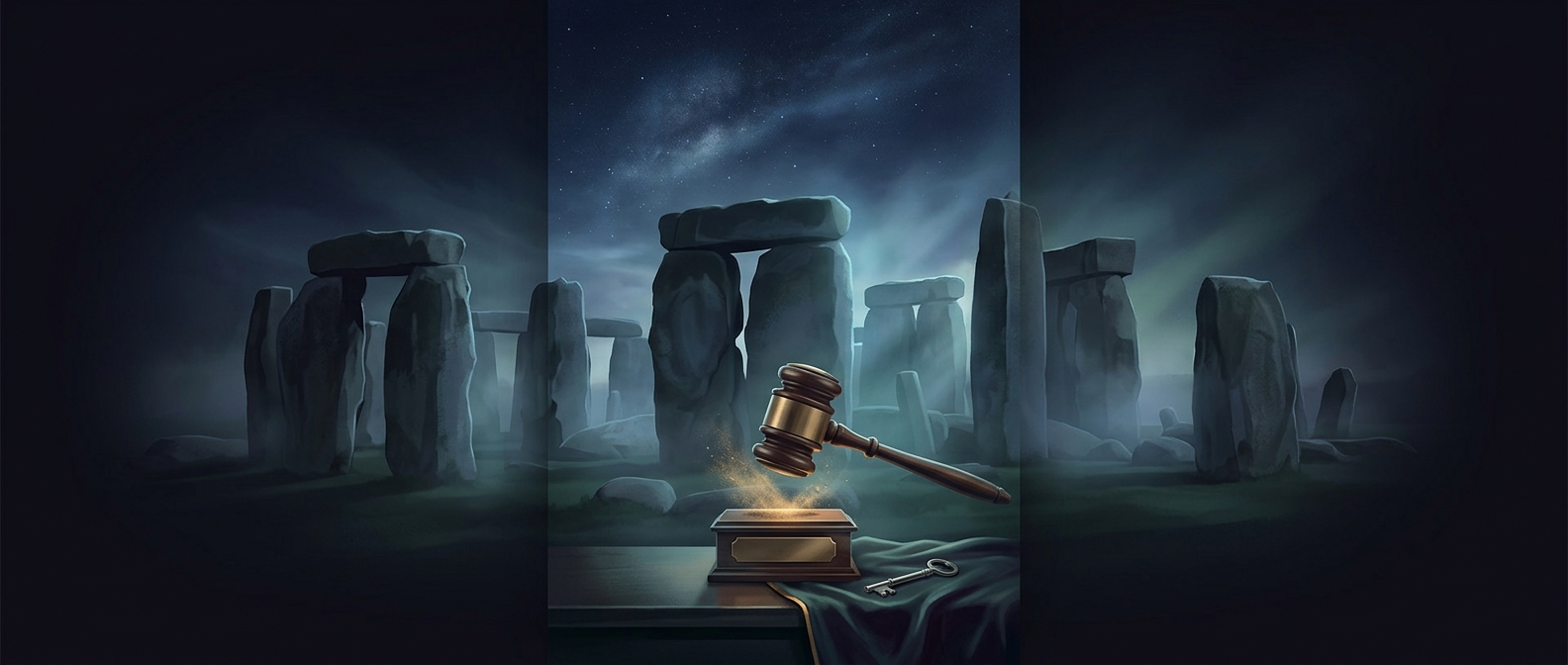
Stonehenge was not sold as a curiosity detached from its surroundings. In 1915, it belonged to the Antrobus family’s estate, and after Sir Edmund Antrobus died, the stones and nearby land were put up for sale. Cecil Chubb’s winning bid made him the private owner of one of Britain’s most recognizable prehistoric sites—an extraordinary change in ownership accomplished through an ordinary property auction.
The sale also exposed a practical problem: a fragile, nationally important monument could be controlled by a private owner, with its future shaped by personal decisions. Chubb’s response turned an unexpected purchase into a change in stewardship. In 1918, he transferred Stonehenge to the nation, placing its care in public hands rather than leaving it as part of a private estate.
From private property to public responsibility
That transfer mattered beyond the story of an unusual gift. Public ownership made preserving the monument and allowing people to visit it a matter of national responsibility. The stones were no longer simply a landowner’s possession; their survival and access became concerns shared by the wider public.
So the auction’s lasting consequence was not just that Stonehenge changed hands. A bid made while shopping for furniture helped move an ancient site from private estate ownership toward the public heritage landmark people recognize today.