Why Desert Fortresses Change at Sunset
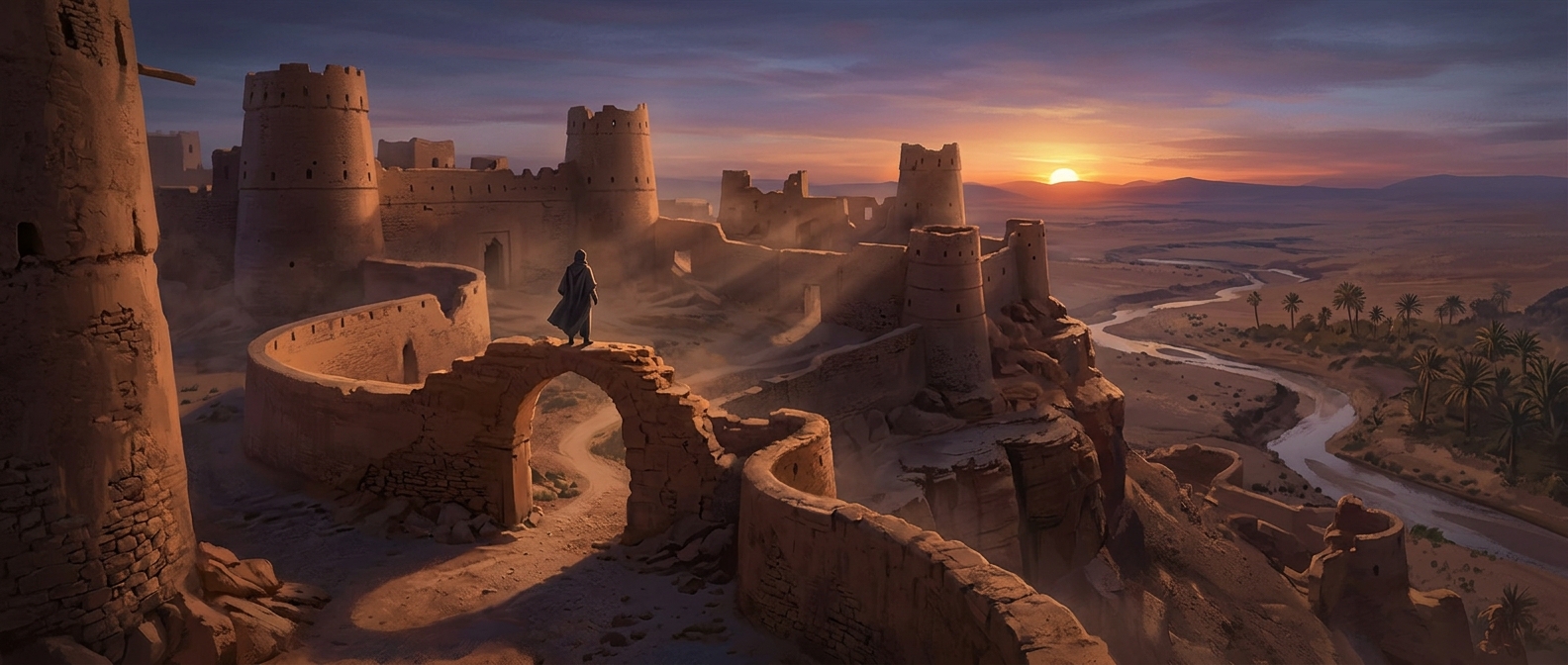
At midday, harsh overhead light can flatten a ruin’s details. Near sunset, sunlight arrives at a low angle, catching the edges of walls and casting long shadows into rooms, courtyards, and gaps where roofs have fallen away. The effect makes the old layout easier to read: a broken wall becomes a boundary, and a tower’s height shows up in the shadow it throws across the ground.
That changing light is part of the appeal of visiting these sites, but it also makes the landscape look more complete than it is. A shadow can suggest the outline of a lost structure without telling you exactly how it was used. Fortresses across the Middle East differ in age, materials, and purpose, so one ruin should not be treated as a template for all the others.
Ruins Without a Gatekeeper
“Unguarded” describes the absence of a formal attendant or barrier; it does not necessarily mean a site is officially open, safe to enter, or protected from damage. Fragile masonry can shift, and climbing on walls or removing fragments can accelerate a ruin’s decay. Local access conditions vary, so visitors should follow posted guidance and stay off unstable structures.
The most revealing view is often from the ground beside a wall rather than from its top. As the sun drops, the fortress’s shadow stretches outward—making the landscape itself a temporary map of the building that time has partly erased.