Why barracks beds went upward
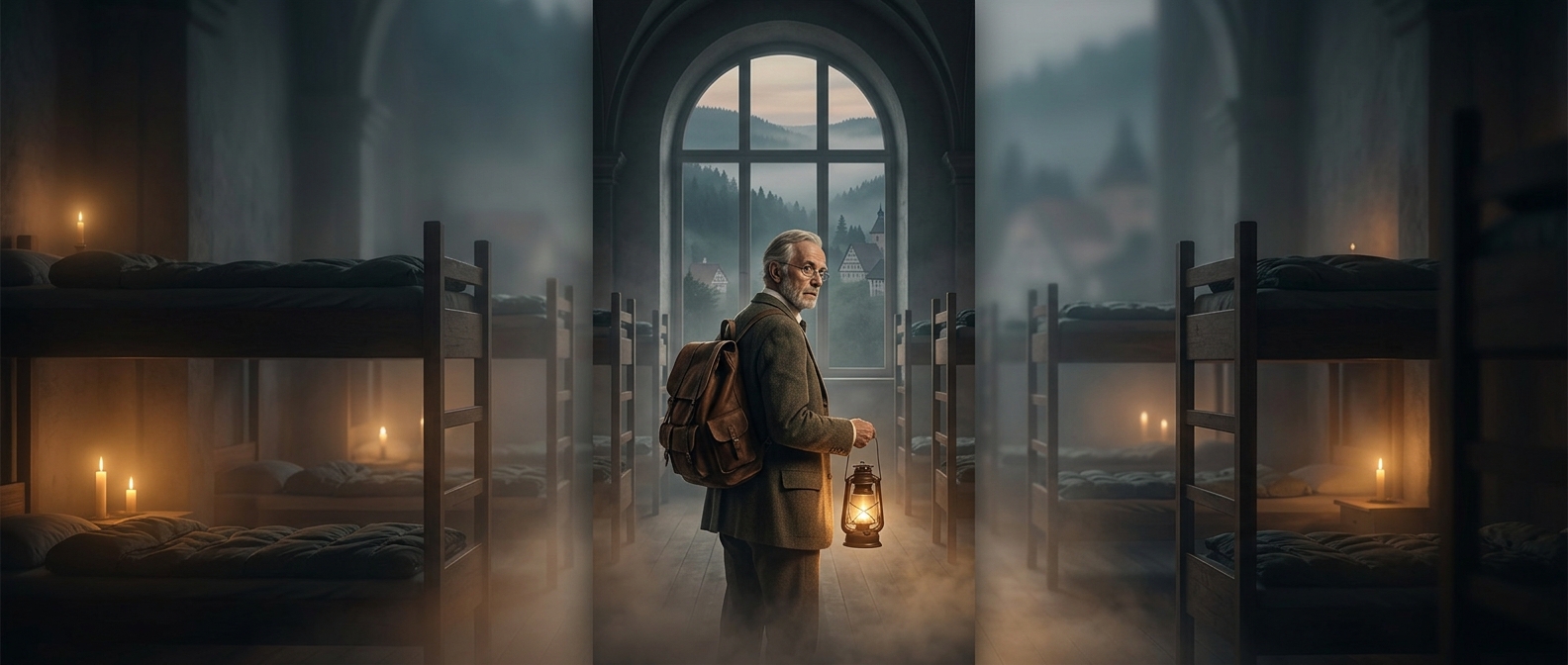
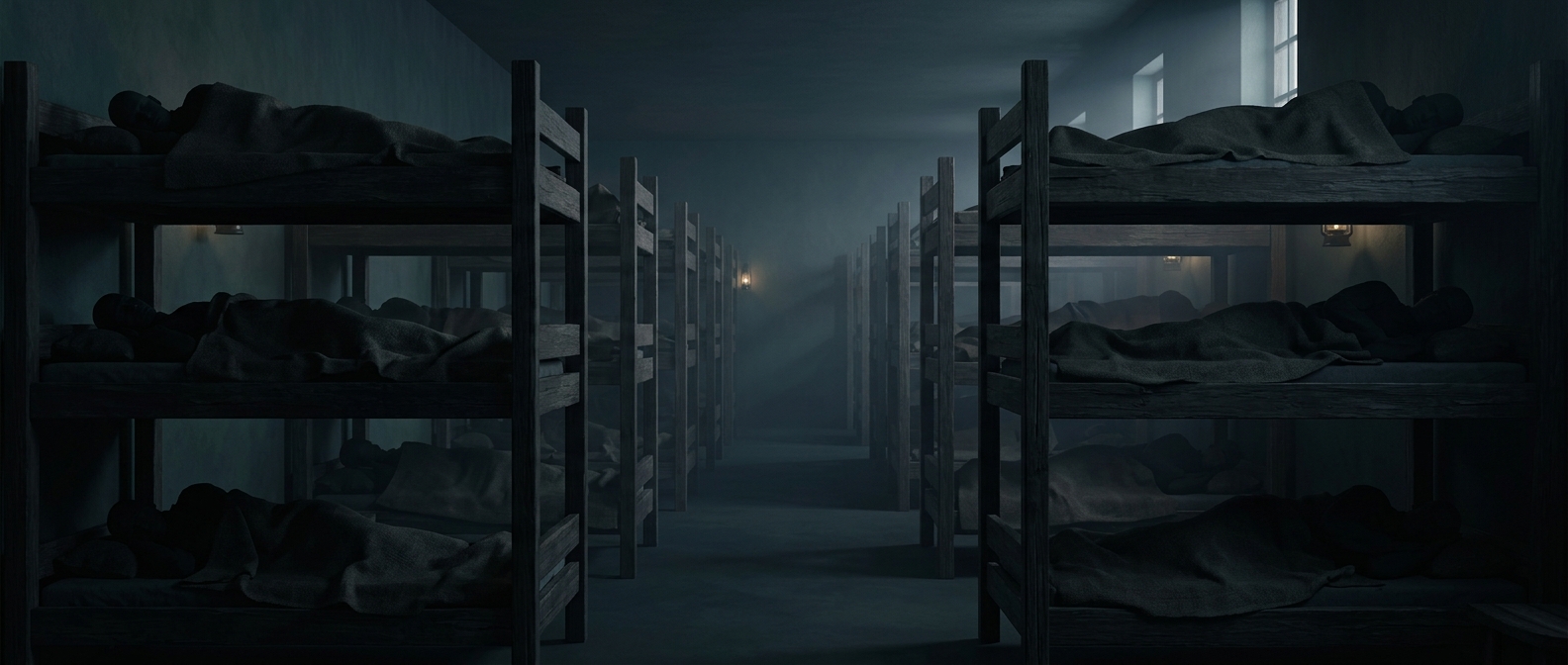
In a crowded barracks, each ordinary bed claims a patch of floor that could otherwise hold another sleeper—or leave room for people to move, store gear, and get ready. Stacking one bed above another changes the calculation: two recruits can sleep in nearly the footprint of one bed. The gain comes from using vertical space, not from making the room larger.
That tradeoff suited military quarters, where many people had to sleep in a shared room and comfort or privacy was limited. A bunk bed made the sleeping area denser while keeping more of the floor clear for the daily business of barracks life.
The space-saving compromise
The upper bunk needs enough ceiling clearance and a way to climb up and down, so bunks work best in rooms built to accommodate them. They also concentrate more sleepers in the same shared space; they do not reduce crowding in every sense. But when floor area is the scarce resource, stacking beds is a direct solution: the room gains sleeping places without expanding outward.**