Why a Small Noise Travels So Far in a Dorm
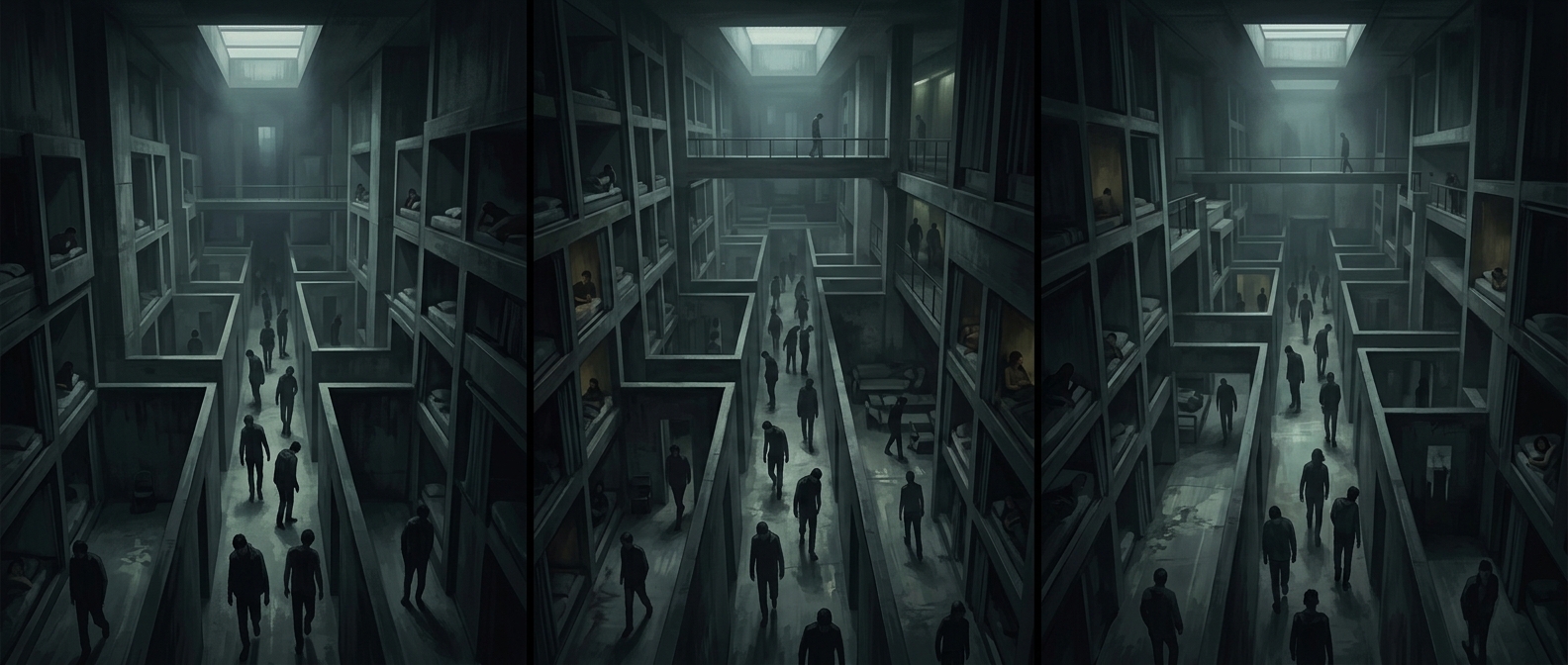
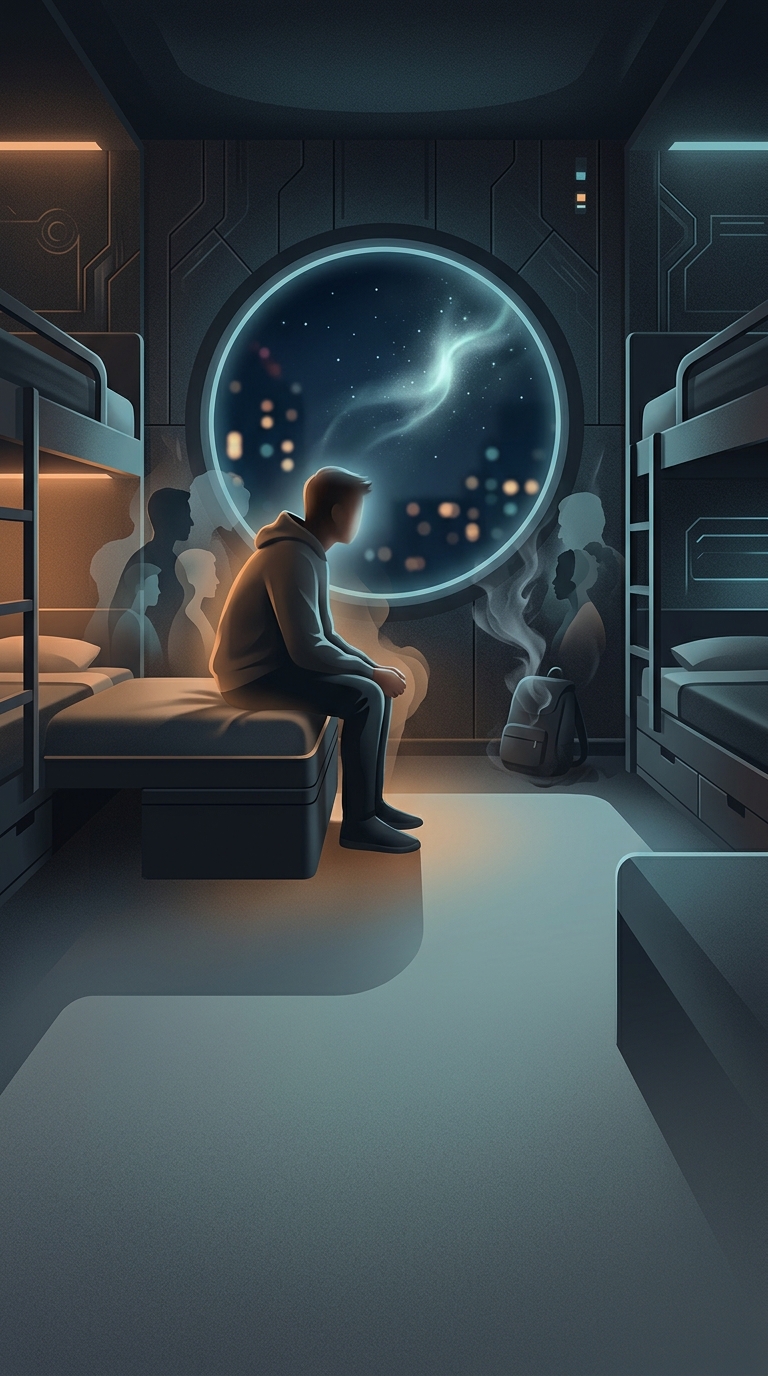
A hostel dorm turns ordinary sounds into shared events. Beds are close together, privacy is limited, and there may be little soft furnishing to absorb noise. At night, when conversation and movement die down, a zipper, rustling wrapper, or phone alert stands out against the quiet. Someone who is awake may also start listening for the next sound, making it harder to drift back to sleep.
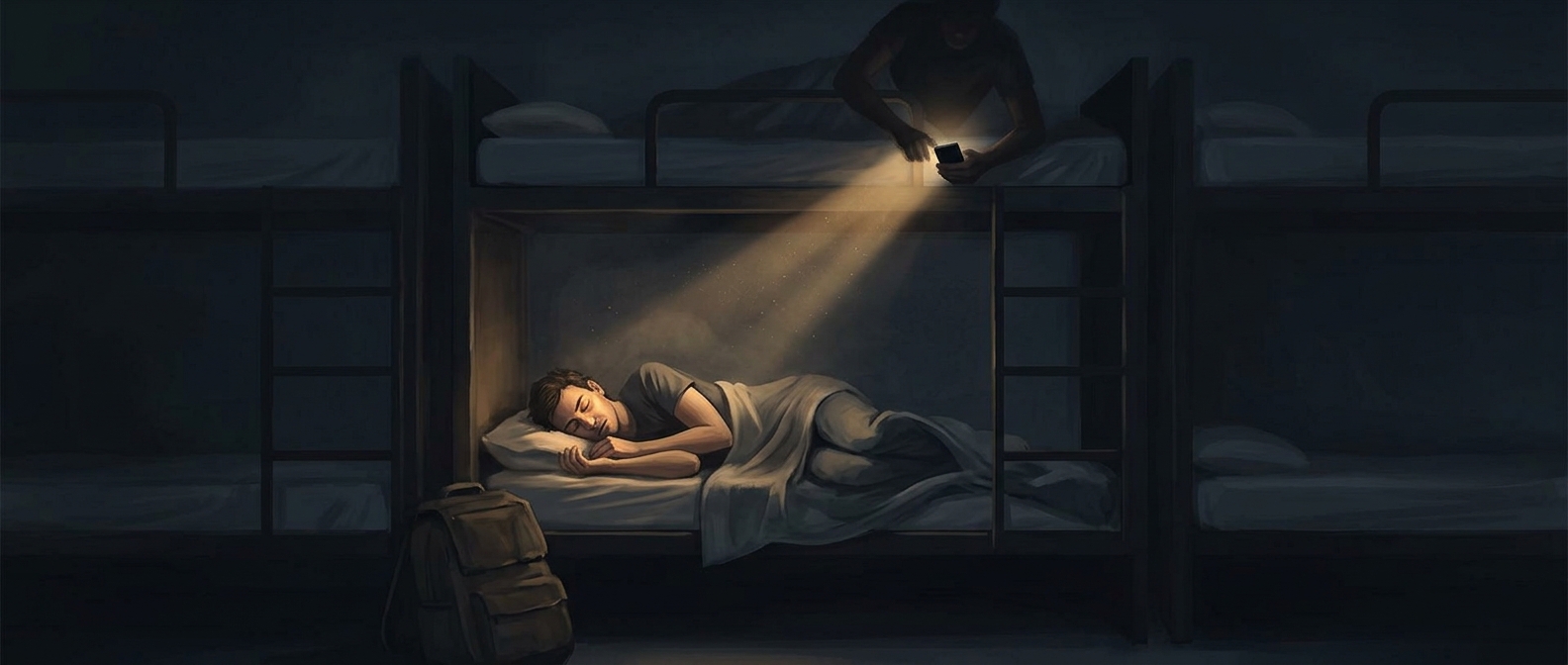
The disruption is not just about volume. Packing involves repeated, unpredictable noises: a bag crinkles, stops, then crinkles again. That irregular pattern can be more difficult to tune out than a steady background hum. And because the source is a nearby stranger, sleepers may feel they cannot simply ask for quiet without creating an awkward encounter.
The Dorm’s Unwritten Quiet Hours
Hostels trade private space for affordability and a social atmosphere, so considerate habits matter more than they would in a room shared by one’s own household. Packing before bedtime—or moving essentials into a small, easy-to-reach bag in advance—avoids a late-night search through luggage. If an early departure makes nighttime packing unavoidable, doing it outside the sleeping area, where possible, keeps the rustling away from beds.
For travelers, earplugs and an eye mask can help, but they do not replace basic courtesy. In a dorm, the practical rule is simple: handle noisy tasks before the room settles down. A few minutes of preparation can spare several sleeping strangers the sound of every item being packed.