From an improvised shelter to a travel network
The barn solved one immediate problem: the class needed a dry place to sleep. Schirrmann’s larger insight was that travelers did not need a hotel room each; they needed a safe, low-cost place to rest. A school could provide the basics—shelter and sleeping space—without the expense of building a dedicated inn.
That idea turned an emergency workaround into a practical model. Schools stood empty during holidays, while students and other young travelers could use a place to sleep between days on the road. Shared dormitories kept costs down by making travelers’ accommodation communal rather than private.
Making the idea permanent
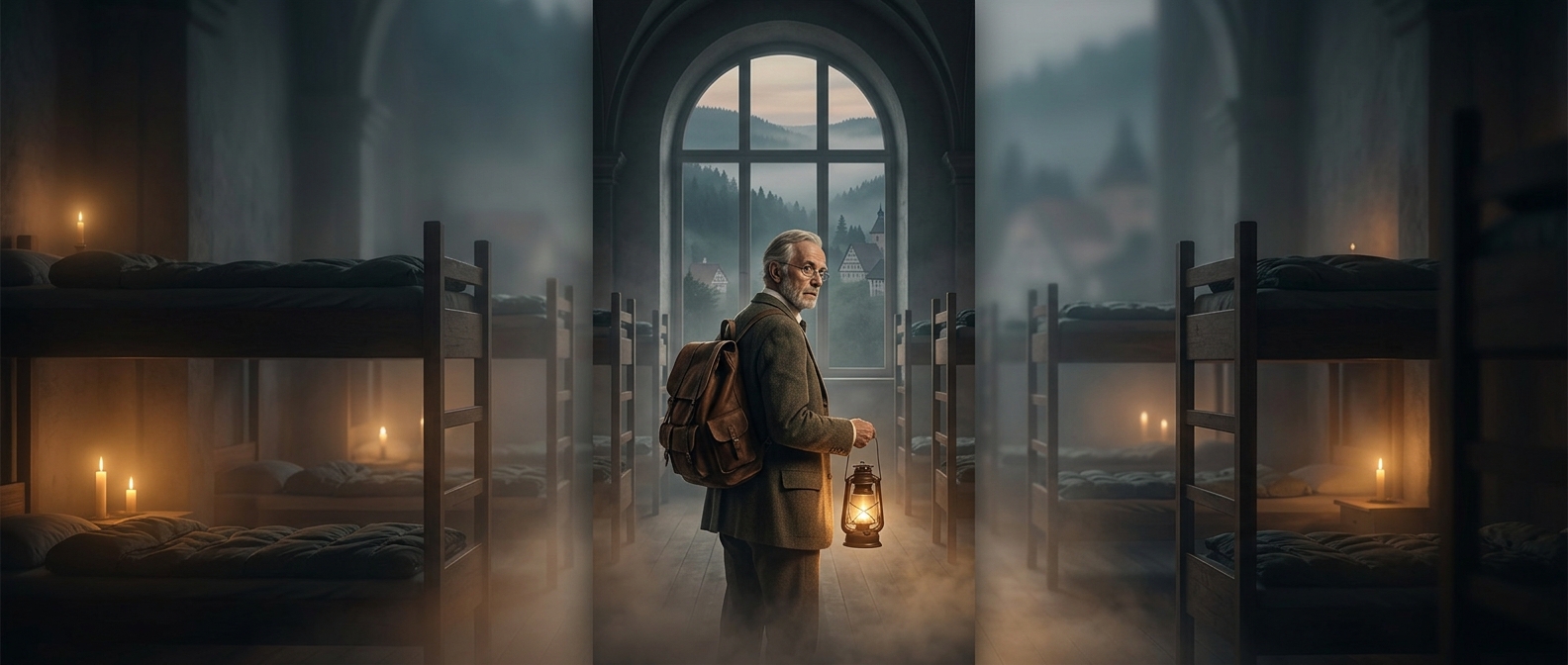
A borrowed school was a starting point, not a dependable system: it would be available only when schedules and local arrangements allowed. Schirrmann worked to establish dedicated hostels, and in 1912 a permanent youth hostel opened at Altena Castle in Germany.
The hostel’s purpose was not luxury. It was to make overnight travel possible for young people who could not afford conventional lodging. The barn mattered because it revealed how little a useful stopover might require—and how an unused building could become part of a journey.