The parking lot became part of the room
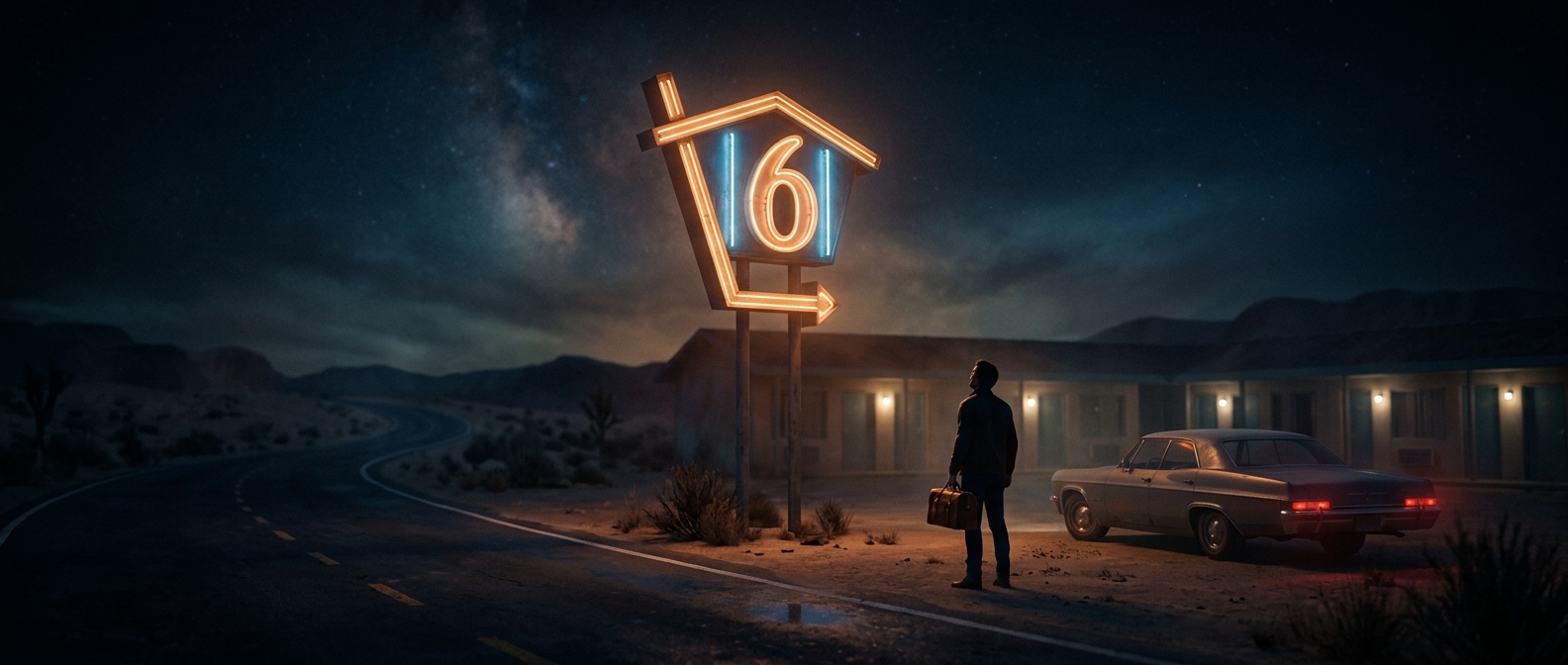
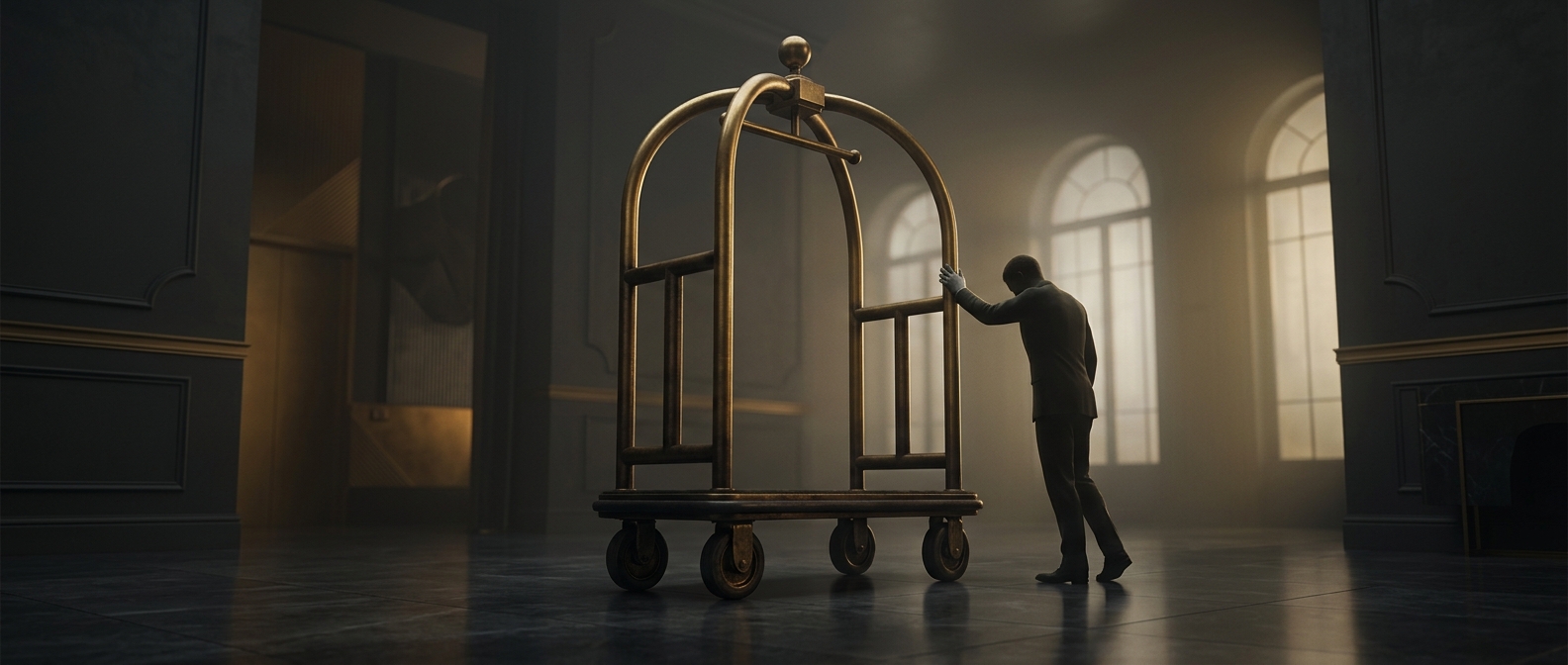
Traditional hotels were often built around a lobby: guests arrived at a central entrance, checked in, and relied on staff to carry bags through corridors or operate elevators. Roadside motels reorganized that experience around the car. Rooms commonly opened directly onto the outside, with parking spaces close by, so travelers could unload their own luggage and get back on the road without passing through a staffed interior.
That layout was more than a convenience. It let a motel provide a basic overnight stay with fewer shared spaces and less need for services such as bellhops. The savings could support lower prices—an important advantage for motorists who wanted a clean place to sleep, not the full service of a city hotel.
A different bargain for travelers
The motel’s appeal came from matching its design to the trip. A driver arriving late could pull up near the room, carry bags inside, and leave in the morning with little ceremony. Skipping a bellhop also meant avoiding the customary tip, though guests still paid for the room and might tip other staff when appropriate.
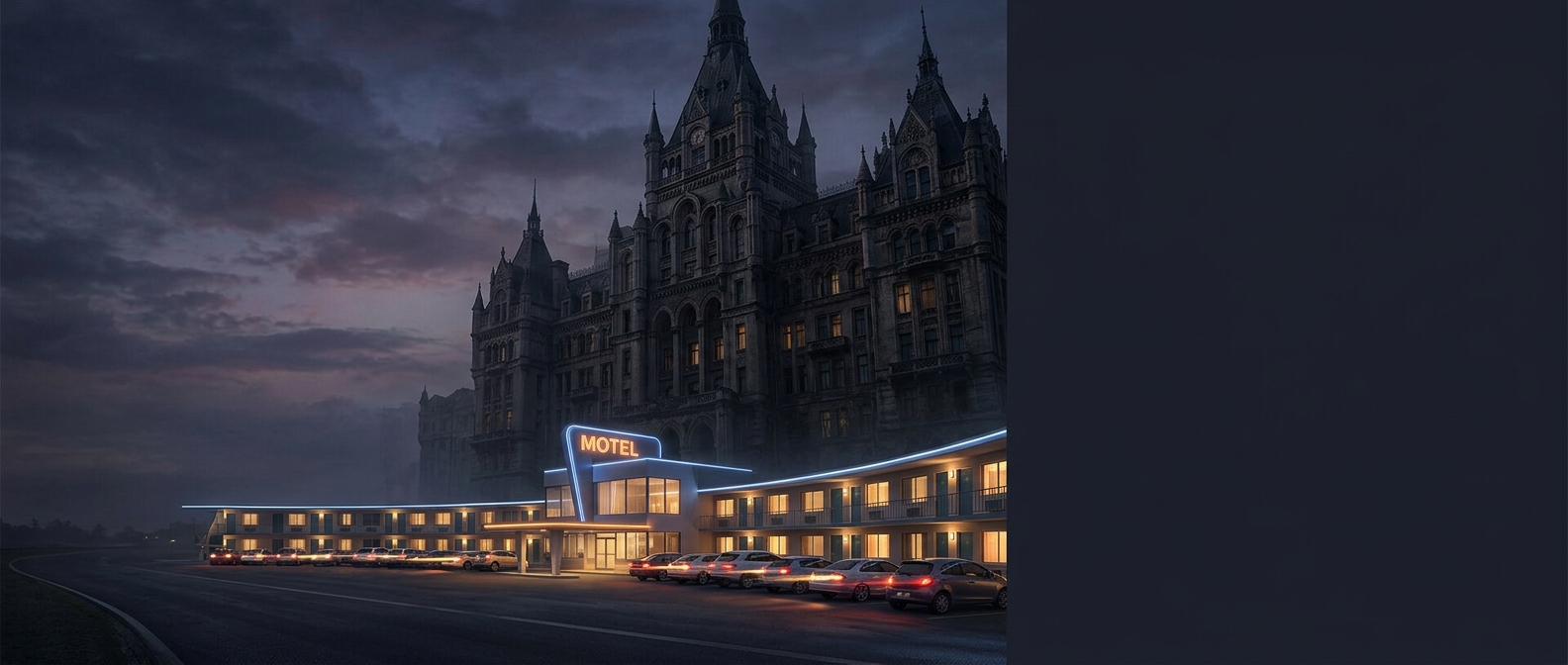
This model gave hotels a new competitor: not simply another place to stay, but a different idea of what lodging needed to provide. Motels made direct access and ease of parking central features, while conventional hotels continued to serve travelers who valued indoor amenities, dining, and more extensive service. The contrast helped make lodging choices more varied—and turned the parking space outside a room into part of the promise of a roadside stay.