Why a virtual world is harder to build than a demo
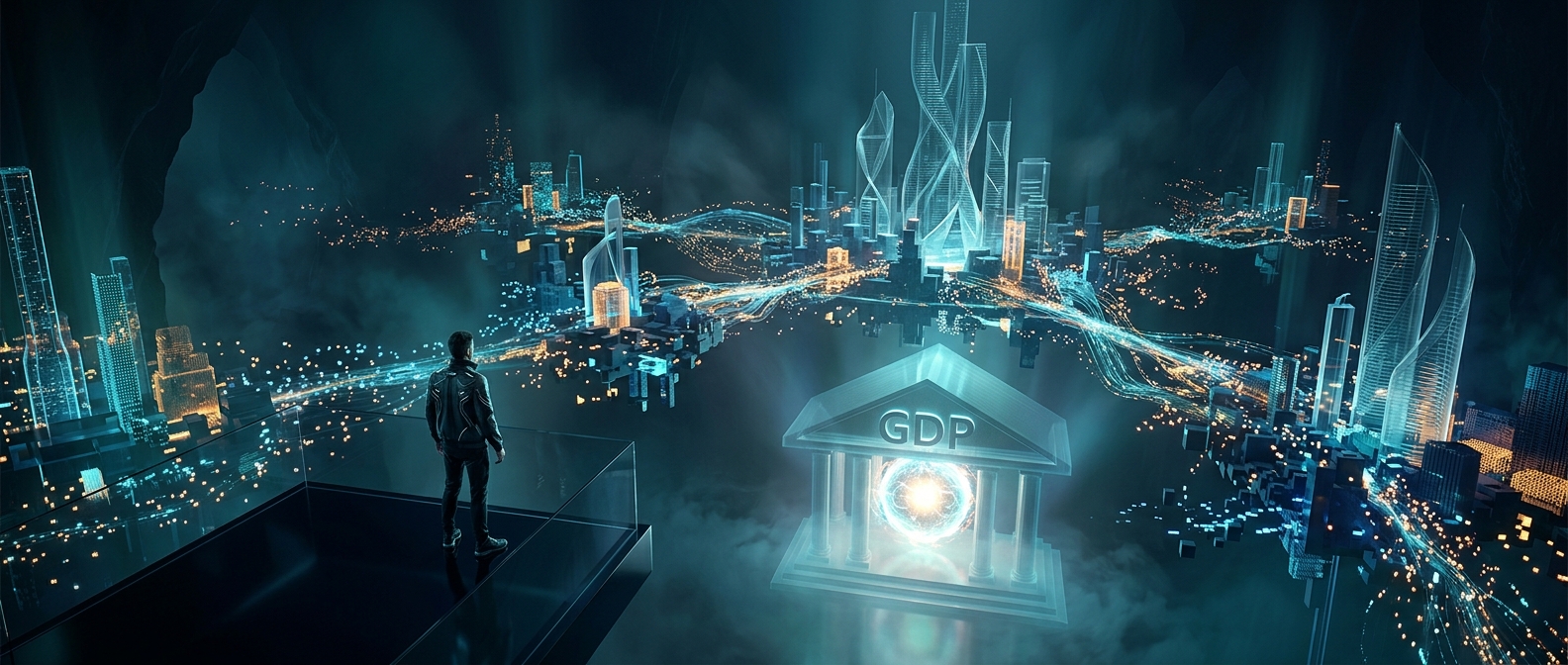
A polished virtual space can make the metaverse feel nearly complete: people enter, customize an avatar, and explore together. But a convincing demonstration is not the same as a world people return to. A lasting interactive space needs activities, new content, reliable technology, and enough other visitors to make it feel alive. If any of those pieces are missing, the space can seem empty even when its visuals are impressive.
The live-service problem
Unlike a one-time game release, a persistent world is expected to keep working and changing after launch. That means ongoing work: maintaining servers, fixing problems, moderating behavior, and giving players reasons to come back. Those costs continue whether a world is thriving or quiet. Studios therefore face a difficult tradeoff: promise a vast, open-ended future, or concentrate resources on experiences they can build and sustain now.
There is also a social hurdle. A virtual world becomes more compelling when friends, creators, and communities are already there. But people have little reason to join an empty space, and it is hard to keep a space busy without a large audience. This feedback loop helps explain why a technically impressive project may still struggle to become a daily destination.
What scaling back can mean
Reducing a sweeping plan does not necessarily mean abandoning virtual-world experiments. It can mean narrowing the idea to a specific game, feature, or community rather than trying to build an all-purpose digital universe. That shift puts the test in practical terms: not whether a world can be imagined, but whether people find enough to do there—and whether its creators can keep it worth returning to.