Why a Greeting Can Go Awry Midair
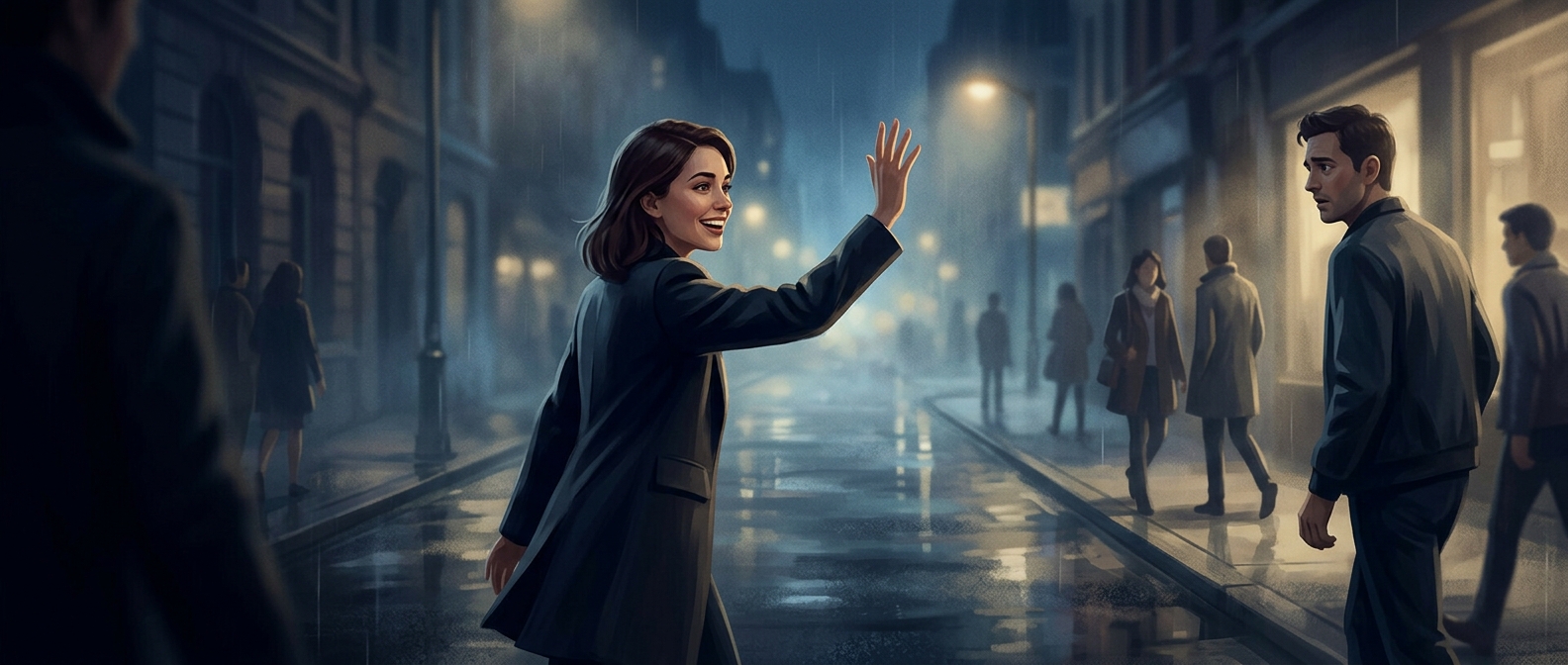
A greeting is a tiny coordination task. Each person has to choose a movement, match its timing to the other person’s, and leave enough room to adjust. Most of that happens without discussion because familiar gestures—like a high five or a fist bump—work as learned social scripts: seeing a friend and raising a hand can prompt an expected response before either person consciously plans the whole exchange.
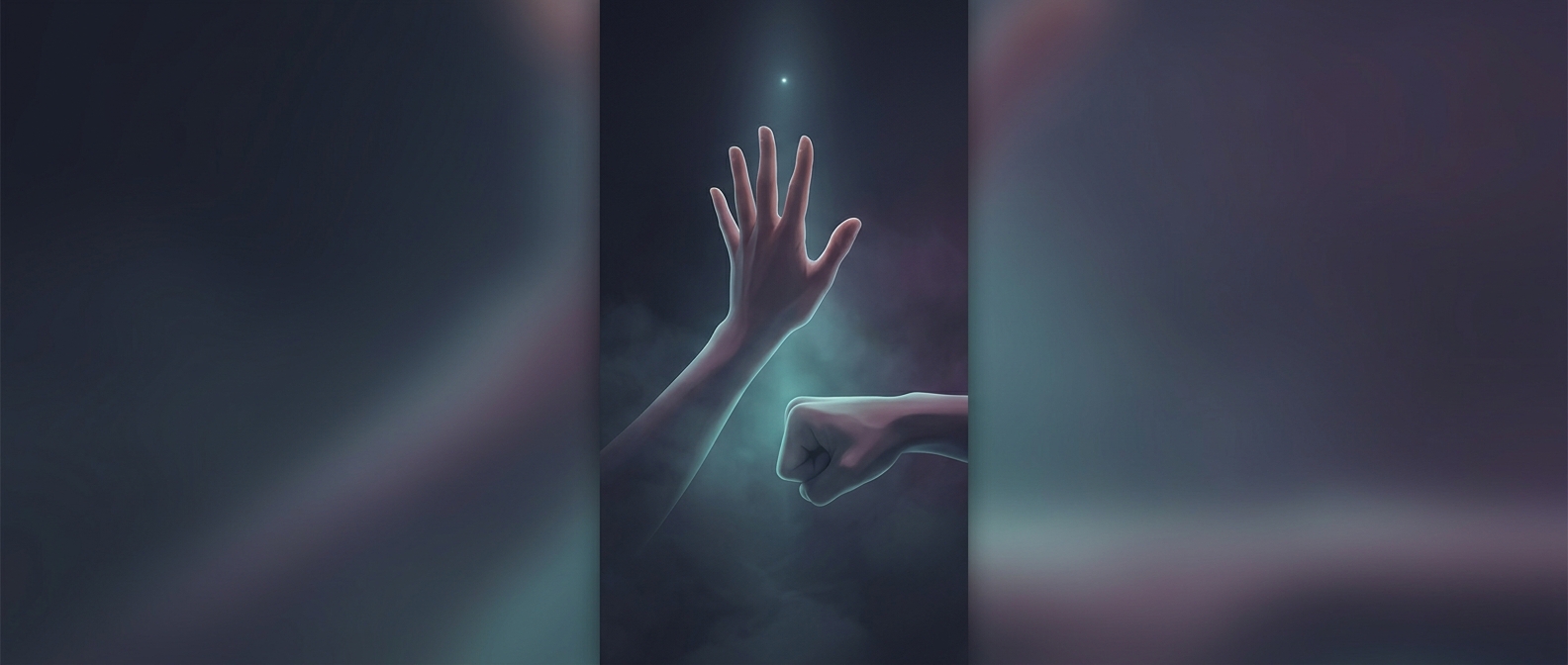
The trouble is that the same early cue can lead to different predictions. One person reads the raised hand as an invitation to slap palms; the other prepares to touch knuckles. Until the hands meet, each is acting on a reasonable guess about what comes next.
The Recovery Is Part of the Interaction
Once the mismatch becomes visible, both people have to update quickly. They may change the shape of a hand, pull back, laugh, or turn the awkward contact into a new gesture. These adjustments rely on watching the other person’s movement and treating it as fresh information, rather than rigidly continuing the original plan.
That is why the moment often feels funny rather than serious: the error is small, public, and immediately repairable. The brief flail exposes the invisible work behind smooth social behavior—people are continually predicting one another, then revising those predictions when the evidence changes. Even a greeting needs a little real-time negotiation.