The legal move behind Donkey Kong’s defense
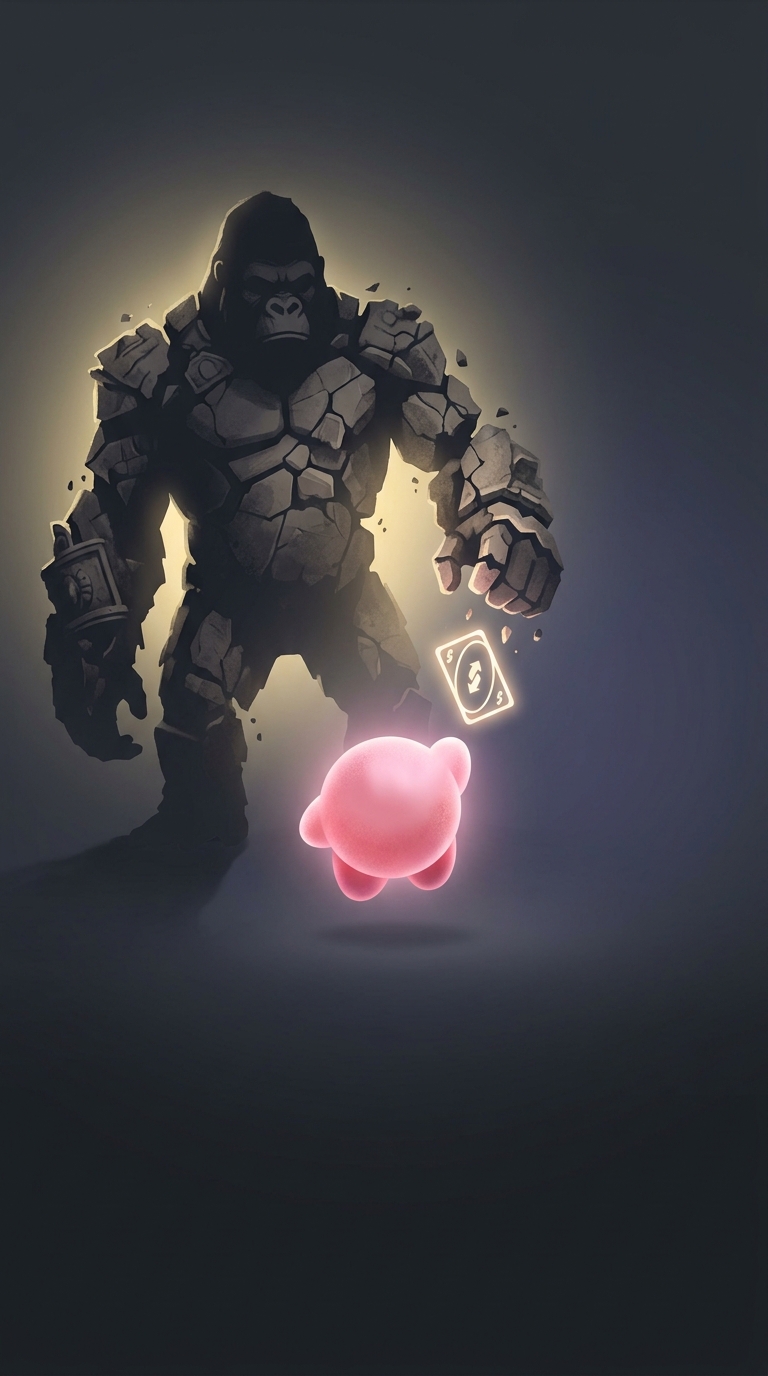
Universal’s 1982 lawsuit put more than a familiar giant ape at issue. The studio argued that Nintendo’s Donkey Kong infringed its rights in King Kong and could mislead the public into thinking the game was connected to the film. Nintendo’s lawyers answered with an awkward point: Universal had previously argued in court that King Kong belonged to the public domain.
A work in the public domain is no longer covered by exclusive copyright, so people may use it without asking a copyright holder’s permission. Universal’s earlier position did not, by itself, settle every question about trademarks or consumer confusion. But it made the studio’s claim to exclusive control over King Kong much harder to defend.
Why the distinction mattered
Copyright and trademark protect different things. Copyright covers creative expression; trademark protects signs that identify the source of goods and services. So the dispute was not simply a rule that anyone could copy anything involving King Kong. The court examined whether Universal had enforceable rights and whether Nintendo’s game was likely to confuse consumers. Nintendo prevailed, and the decision was upheld on appeal.
The case also put the game’s design under scrutiny. Donkey Kong had a gorilla, a captive woman, and a rescue mission—elements that invited comparison with King Kong. But a resemblance in broad ideas was not enough to establish that Universal owned the rights Nintendo was accused of violating.
From courtroom to character name
Nintendo’s lawyer John Kirby helped defend the company. A few years later, Nintendo named its new pink character Kirby. The name’s connection to the attorney became part of Nintendo history: a courtroom fight over who could claim King Kong helped bring a lawyer’s name into the company’s games.