How couscous gets its light texture
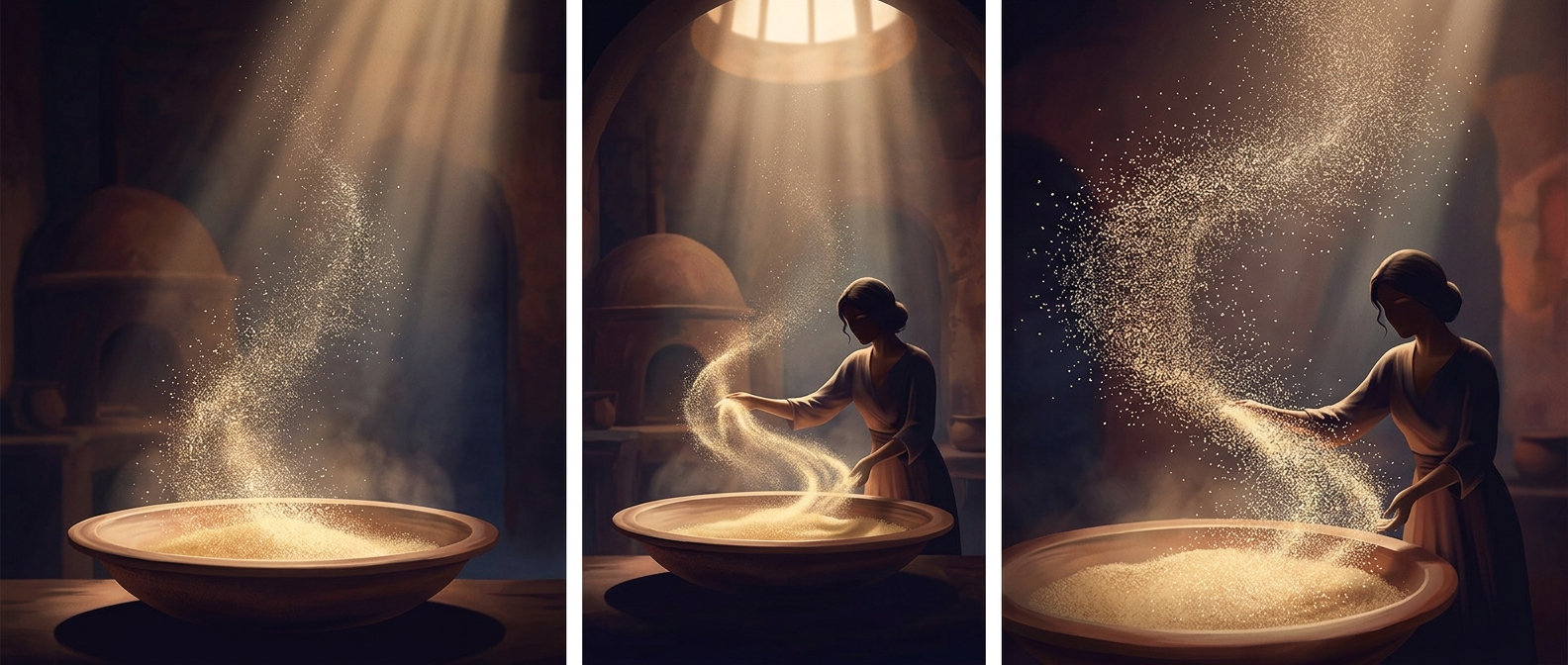
Semolina is a coarse meal milled from durum wheat. To make couscous, cooks sprinkle it with water and work it into small granules, then sift them so the pieces are fairly even. The granules are dried before cooking, which is why packaged couscous can be prepared quickly; traditionally made couscous takes more handwork.
For a traditional meal, the grains sit in a perforated basket above a pot of simmering stew. Steam rises through the basket, softening the semolina without submerging it. Cooks may take the grains out to loosen clumps and add a little water or fat before steaming them again. That repeated handling helps keep the finished couscous distinct rather than sticky.
The stew shapes the meal
The pot below often holds meat or vegetables with a seasoned broth. As it simmers, its aromas travel upward with the steam, while the couscous cooks separately from the liquid. The grains can then be served with the stew and broth, which diners add to taste. This arrangement makes couscous both a base for the meal and a way to carry its savory flavors.
Across the Maghreb, couscous is a familiar centerpiece for shared meals, though recipes and customs vary from place to place. Its texture depends on a simple cooking distinction: steam softens the tiny grains, while broth is added at the table rather than allowed to turn them into porridge.