Why a bullet ant’s sting hurts so intensely
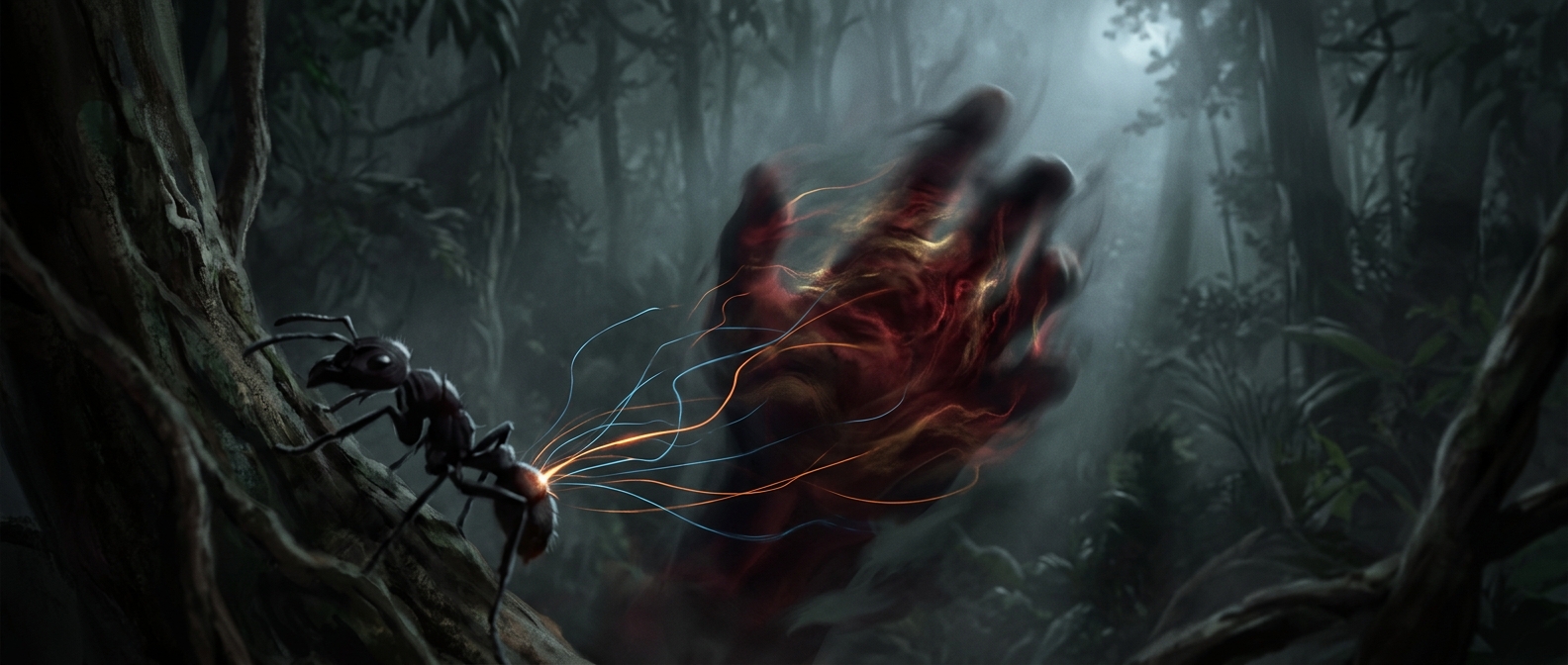
The bullet ant, found in parts of Central and South America, delivers pain through venom rather than simply through the puncture of its stinger. One component, poneratoxin, interferes with sodium channels—tiny gates that help nerve cells send electrical signals. Disrupting those signals can keep pain messages firing abnormally, producing a severe, burning sensation that may linger long after the ant is gone.
That makes the sting a powerful defense, not a hunting tool aimed at people. A worker is more likely to sting when it or its nest is threatened; the pain can make an intruder back away quickly.
A forest-floor encounter can become a day-long problem
Bullet ants live in tropical forests, where their nests are often associated with trees. A visitor who brushes against an ant or disturbs its nest can turn an ordinary walk into a painful interruption. The practical lesson is simple: watch where you place your hands, avoid handling ants, and give their trails and nests room.
The memorable part is the mismatch between the insect’s size and the effect of its venom: in a rainforest, a tiny animal can impose a very large cost on a careless encounter.