A mountaintop that works like an island
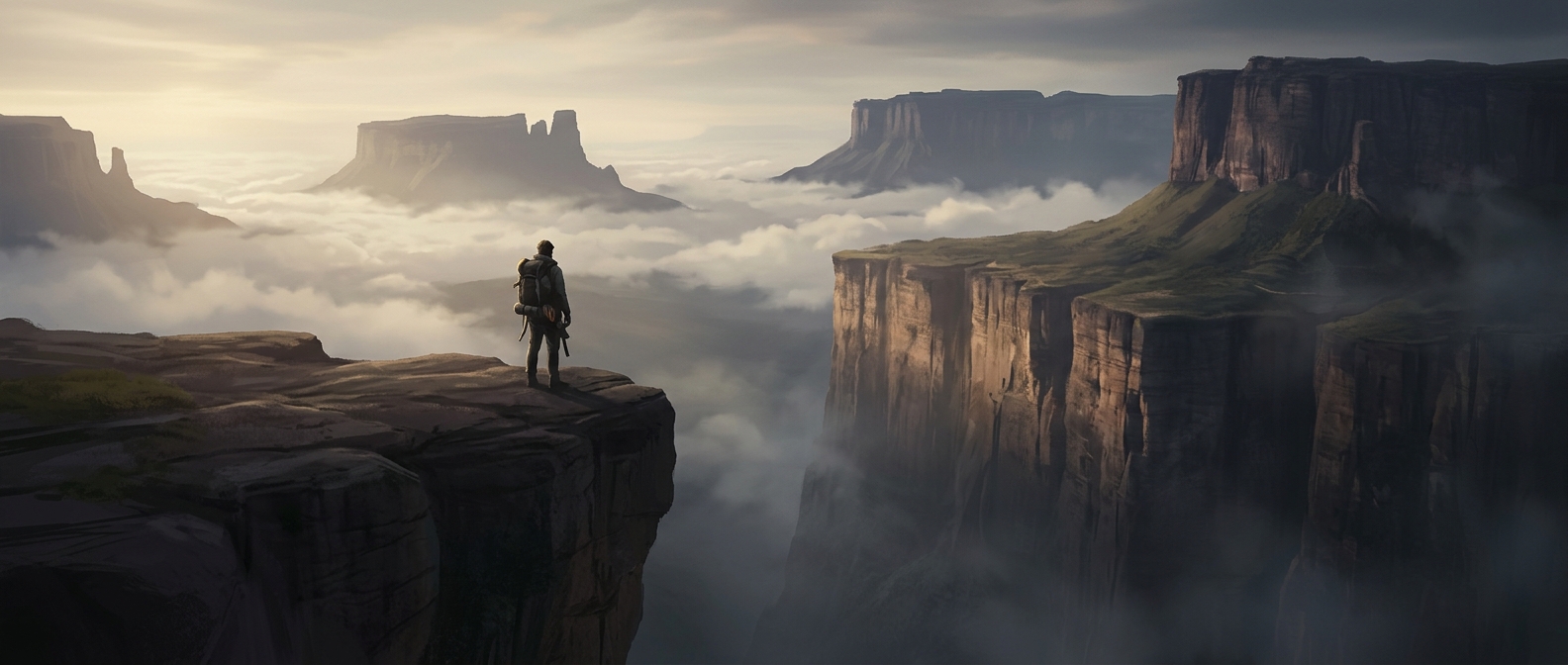
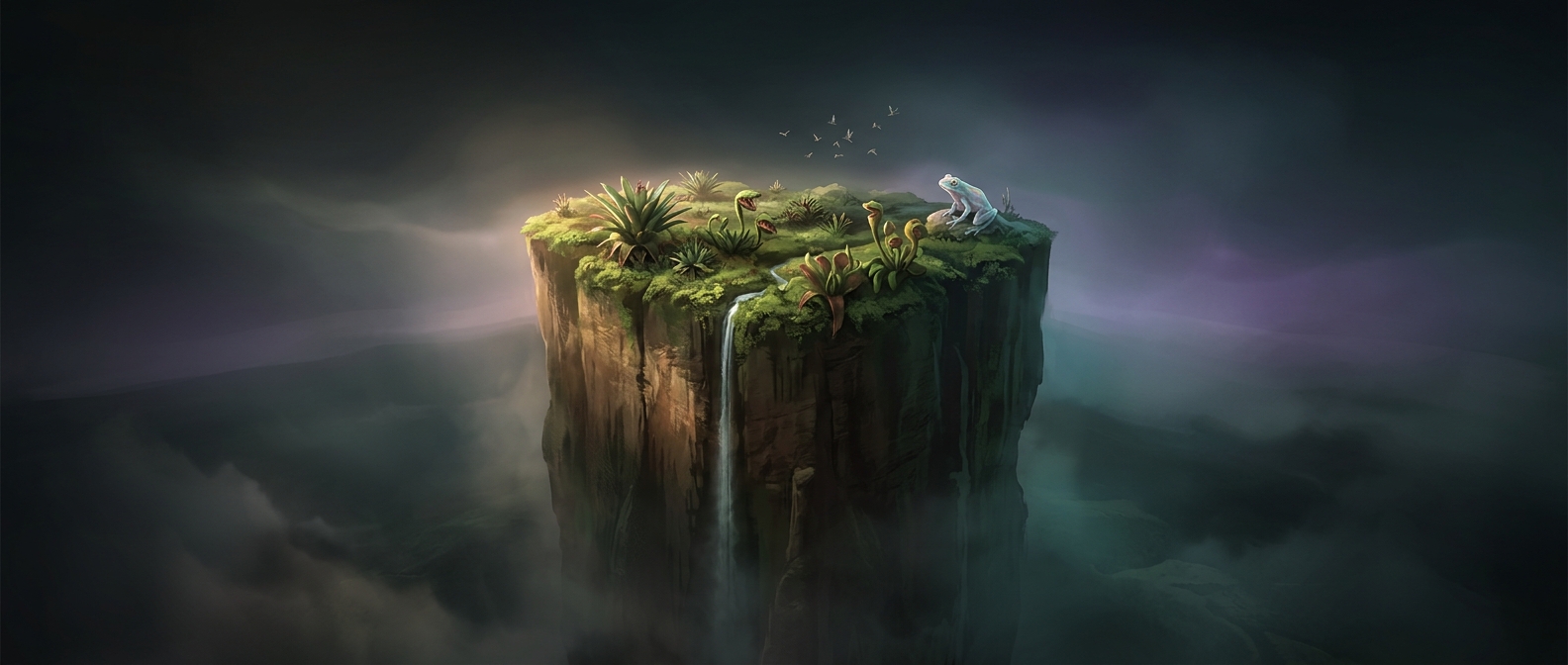
Mount Roraima is one of the flat-topped sandstone mountains known as tepuis, rising abruptly above the forests where Venezuela, Guyana, and Brazil meet. Its summit is not simply a high patch of jungle: cliffs and long distances separate it from nearby lowlands, while its exposed rock, pools, and cool, wet conditions create a habitat of their own.
That separation can limit how often small animals move between the plateau and the forests below. Over many generations, populations living on a tepui may become distinct from their lowland relatives. The result is an ecological island—not an island surrounded by water, but a place whose physical boundaries make its wildlife unusually separate.
Why the black frog rolls
The tiny black Roraima bush toad, Oreophrynella quelchii, is adapted to life among the summit’s rocks. Its short legs are useful for clinging and moving over uneven ground, but they are not built for powerful leaps. When threatened, the toad can tuck its limbs in and curl into a ball. On a slope, that defensive posture lets gravity carry it downhill, away from danger.
So the rolling is less a quirky way to get around than an emergency escape. On a sheer-sided plateau, even a small shift in terrain can matter: a frog that drops into a crevice or among the rocks may be harder for a predator to reach. The same cliffs that make Roraima feel remote also help turn its summit into a place where unusual adaptations can persist.