How Mount Roraima Became a Tabletop
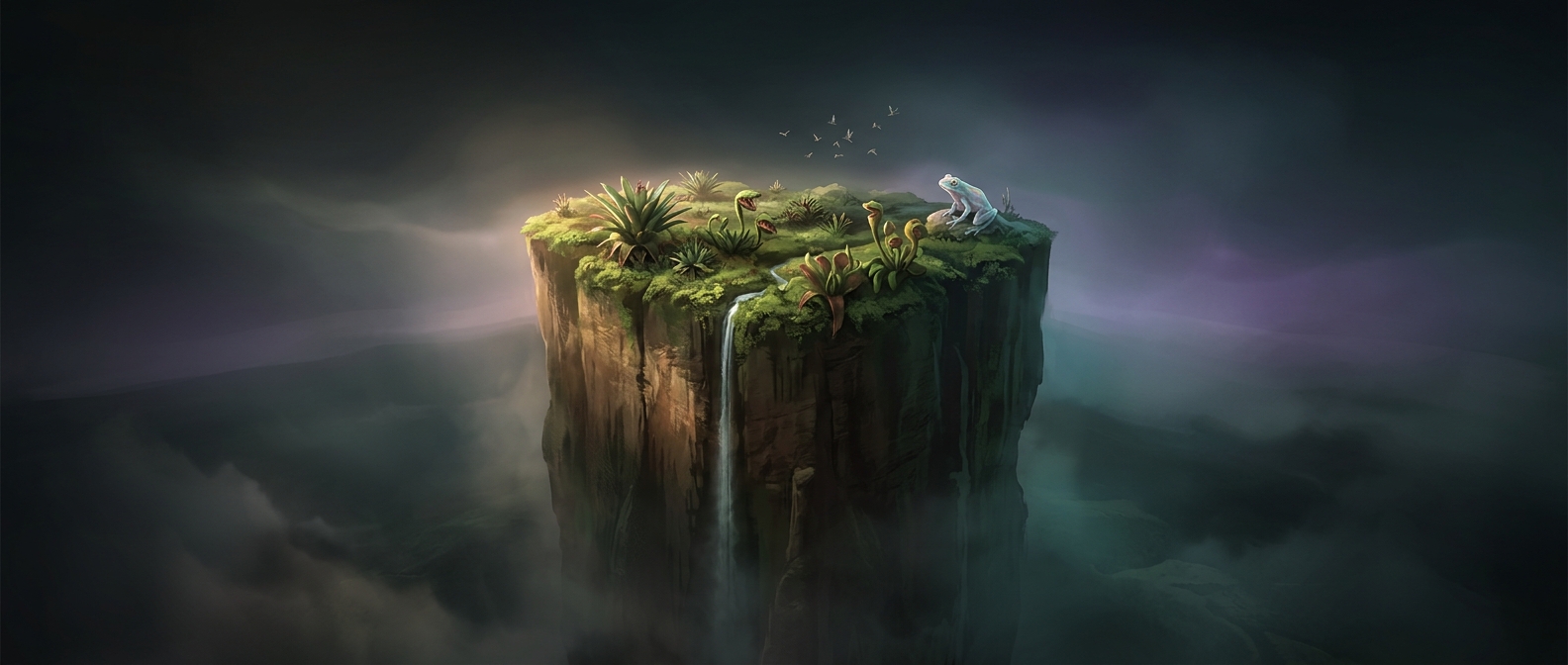
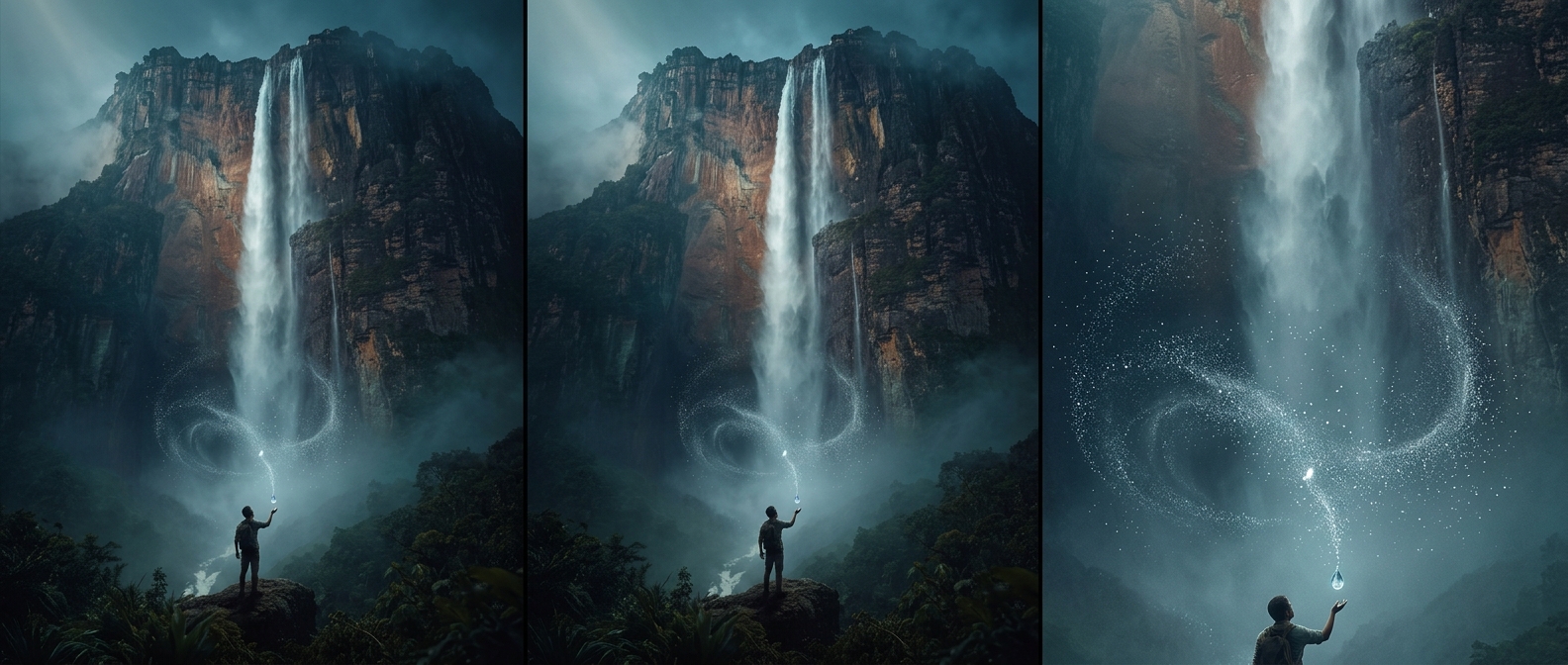
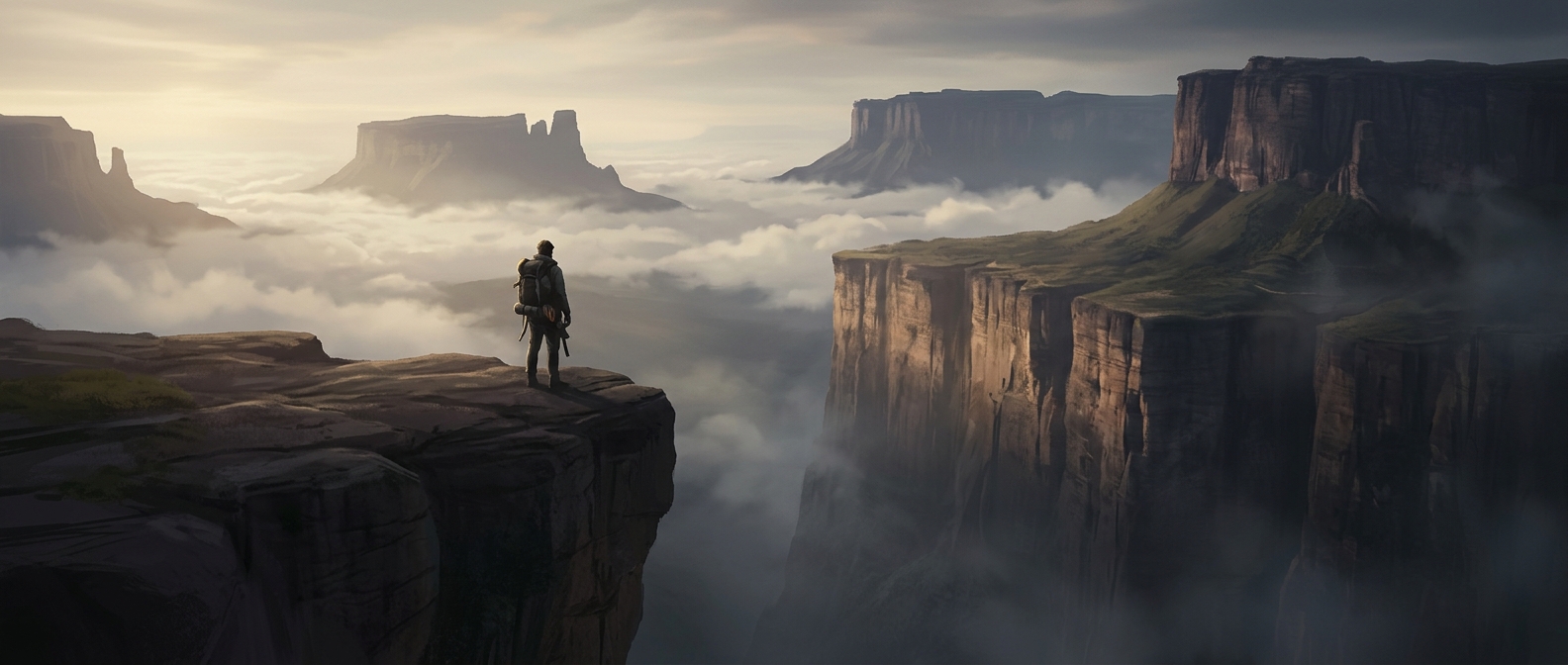
Mount Roraima’s flat summit and abrupt sides are the remains of a much larger ancient landscape. The mountain is a tepui—a steep-sided, table-shaped highland found in the Guiana Highlands of northern South America. Its rocks formed from old layers of sand that hardened into sandstone and quartzite. Over immense spans of time, erosion wore down the surrounding plateau, leaving resistant blocks standing above the lower land.
That process helps explain the striking contrast: a broad, level top, then cliffs that plunge roughly 400 meters to the terrain below. The walls are not simply a decorative edge; they are the exposed sides of the rock mass left behind as the landscape around it was cut away.
A Summit Set Apart
The cliffs make Roraima look almost unreachable from below, and they sharply separate the summit from the forests and savannas around its base. Getting to the top therefore depends on the mountain’s particular shape. The commonly used hiking approach climbs a natural route up one side rather than scaling the sheer walls head-on.
Once above the cliffs, visitors enter a different world of bare rock, pools, and mist. The height and isolation help make the summit feel unlike the landscape below—and the sheer drops make clear why reaching it is a journey, not just a short climb.