Why the water seems to vanish
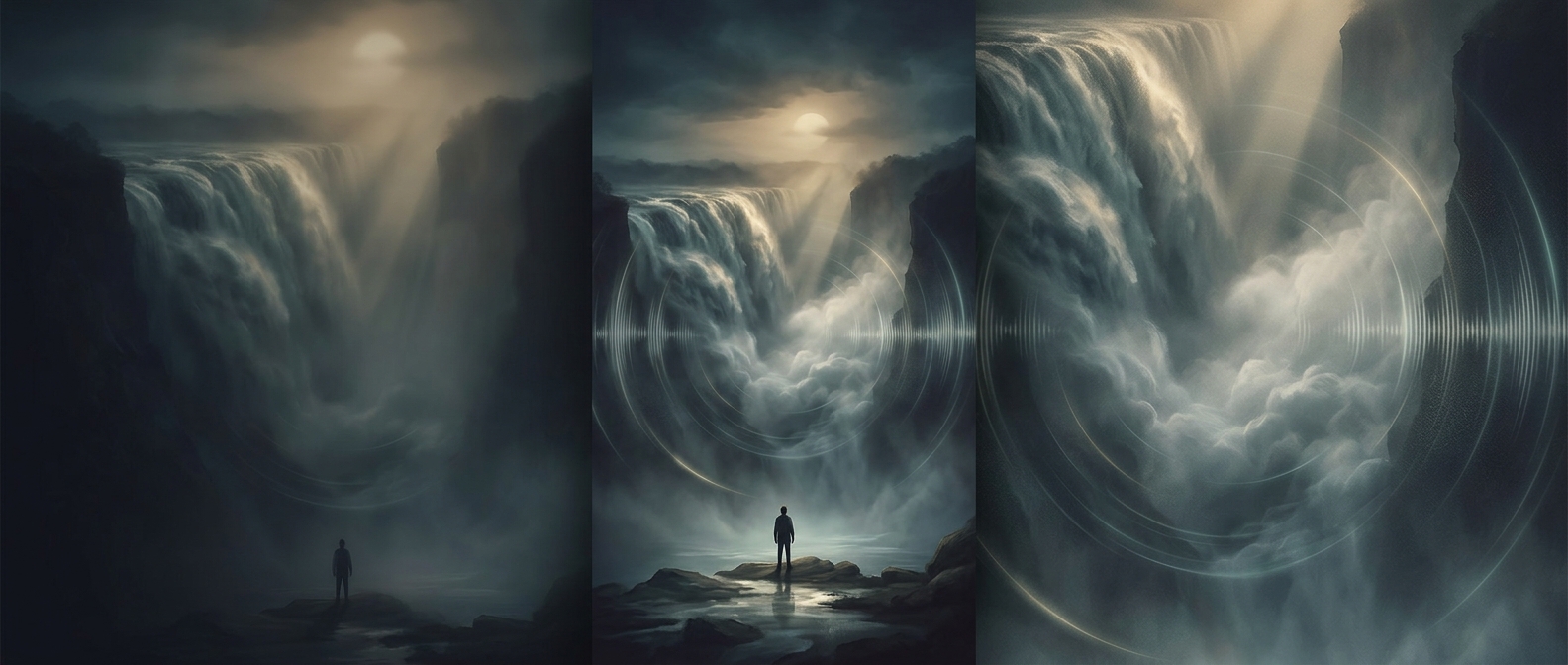
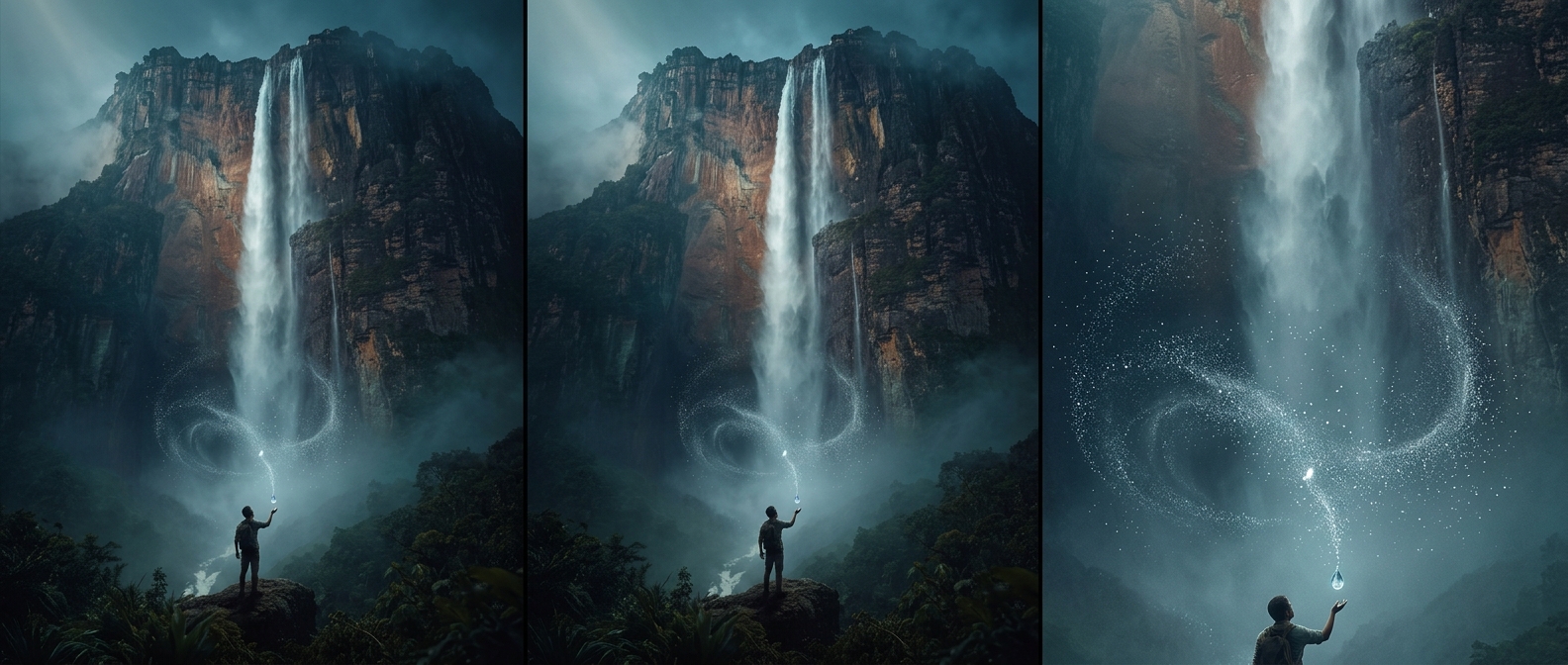
Angel Falls drops from Auyán-tepui, a steep-sided sandstone plateau in Venezuela’s Gran Sabana. The water does not fall as one solid ribbon all the way down. As it plunges through open air, drag and turbulence tear the stream into smaller droplets. Wind then spreads those droplets into a drifting veil of spray.
From below, that veil can blend into cloud and haze, making the waterfall appear to end in midair. Some of the finest droplets evaporate before reaching the ground; others are carried sideways and settle across the slopes. The apparent disappearance is a transformation from a coherent stream into airborne water, not water vanishing altogether.
The cliff shapes the view
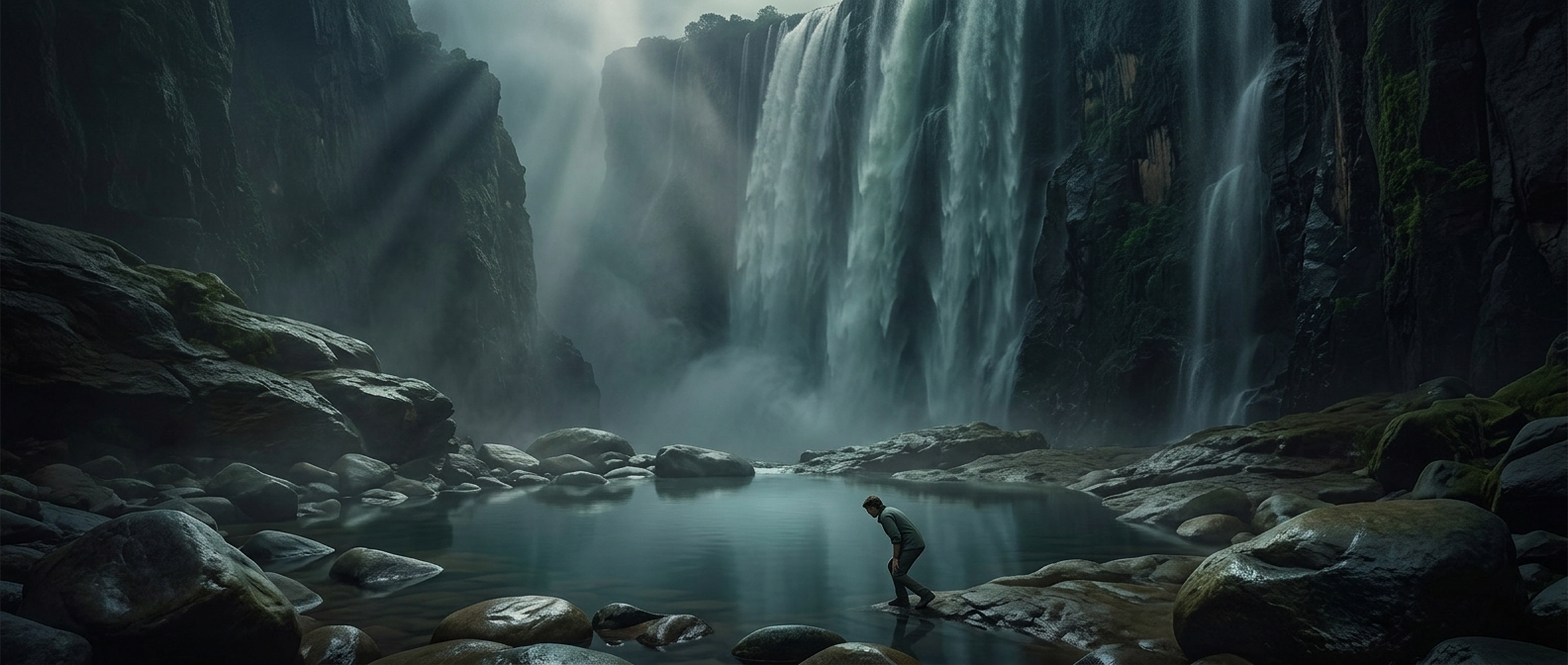
Auyán-tepui’s sheer escarpment leaves the falling water exposed to air for an unusually long distance. Unlike a cascade that tumbles down a stepped riverbed, Angel Falls has no ledges to catch and gather the flow into pools along its descent. Its spray can travel away from the line of the cliff, so the visible endpoint shifts with wind and viewing angle.
That is why the base is not always marked by a clear plume of water. The stream may break apart high above the forest, while its moisture continues downward as drifting mist and dampens the rugged terrain below. From a distant lookout, the gap between the visible water and the bottom is part of the landscape’s spectacle: the fall’s final stretch is carried through the air rather than seen as a continuous cascade.