Why the Falls Make Such a Powerful Roar
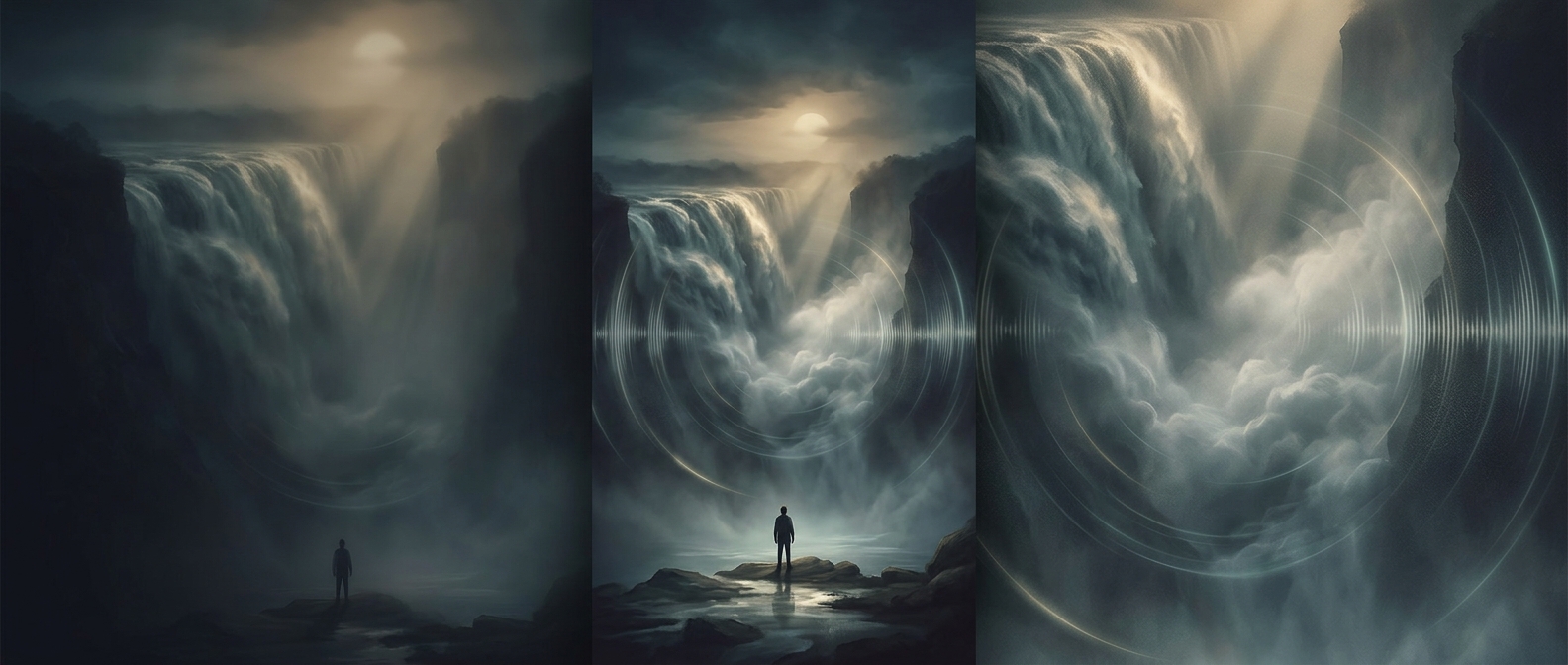
At Victoria Falls, water does not simply pour into a quiet pool. It drops in a broad curtain into a narrow gorge, where it breaks into turbulent sheets, plunges, and rebounds against rock. Those collisions create a continuous mix of low rumble and sharper rushing noise. Because the sound comes from a long, active stretch rather than one small cascade, it can dominate what a visitor hears across the nearby landscape.
A Sound That Changes With the River
The roar is not equally intense every day. The Zambezi’s flow varies through the year, changing how much water crosses the brink and how forcefully it enters the gorge. Wind and a visitor’s position also matter: a viewpoint facing the falls may feel acoustically enclosed by the noise, while a shift in wind can carry it toward or away from nearby areas.
That sound is part of the falls’ physical presence, not just a backdrop. It can make conversation difficult near the edge and mask subtler sounds around the gorge. Visitors often notice the mist first in the air—but the roar is what makes the scale of the falling water audible even before every part of it is in view.