A lake that became an evolutionary workshop
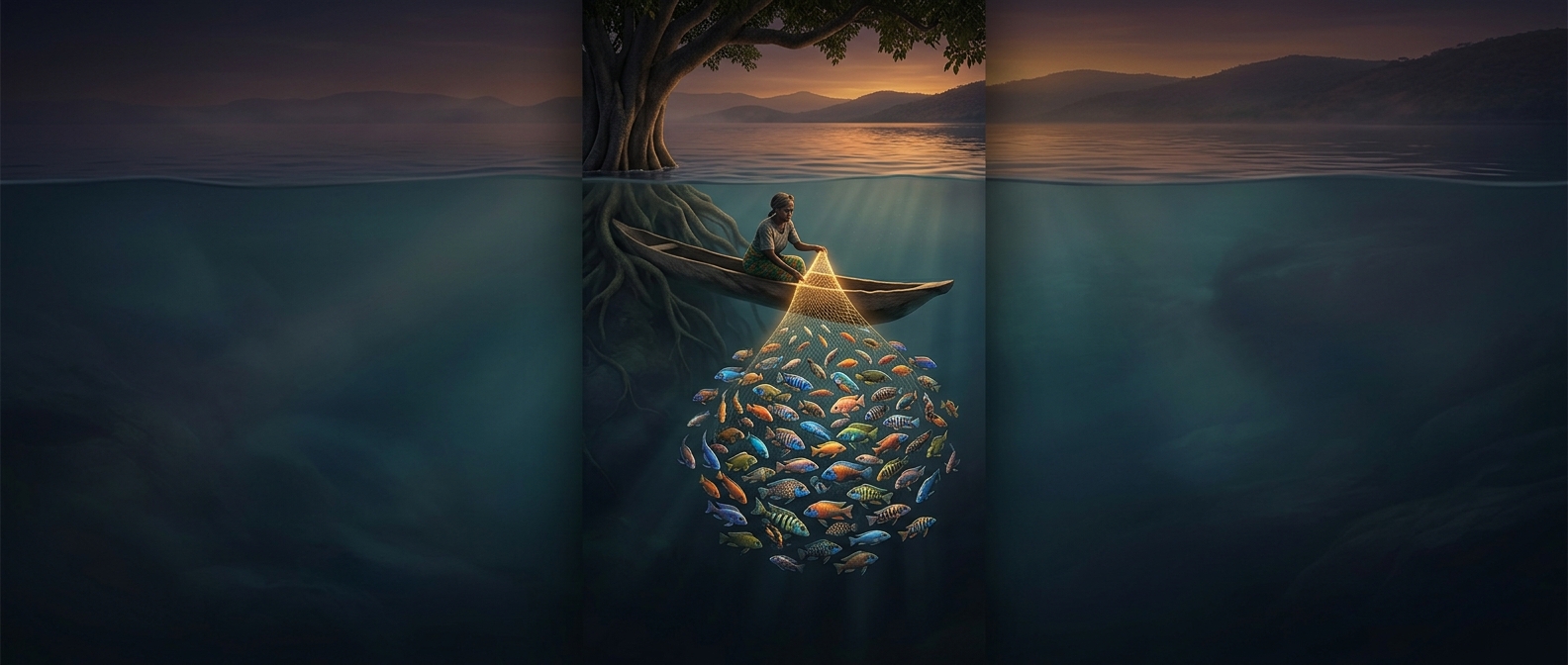
Lake Malawi stretches across Malawi, Mozambique and Tanzania, but its fish diversity is concentrated in one remarkable group: cichlids. Over long spans of time, populations of ancestral cichlids became separated in different parts of the lake and adapted to different ways of life. Rocky shorelines, sandy bottoms and open water offered distinct places to feed and hide, giving isolated populations opportunities to diverge.
That process is called adaptive radiation: one ancestral group branches into many species, each suited to a different ecological niche—a particular way of making a living. Some cichlids scrape food from rocks; others pick prey from the water or sift the lakebed. Changes in jaws and teeth help match those diets.
Small differences can keep species separate
In cichlids, appearance can matter as much as habitat. Many species have distinctive colors and patterns, and mate choice helps preserve those differences: fish tend to select partners of their own kind. When populations meet again, those preferences can limit interbreeding, allowing separate lineages to persist even in the same lake.
Lake Malawi’s shoreline therefore holds more than a colorful collection of fish. Its rocky patches and neighboring habitats can support communities of closely related species, each with its own feeding habits and signals. A change in water clarity or habitat can affect not just where a fish lives, but also how it finds food and recognizes a mate—making the lake’s variety both a record of evolution and a living system vulnerable to disturbance.