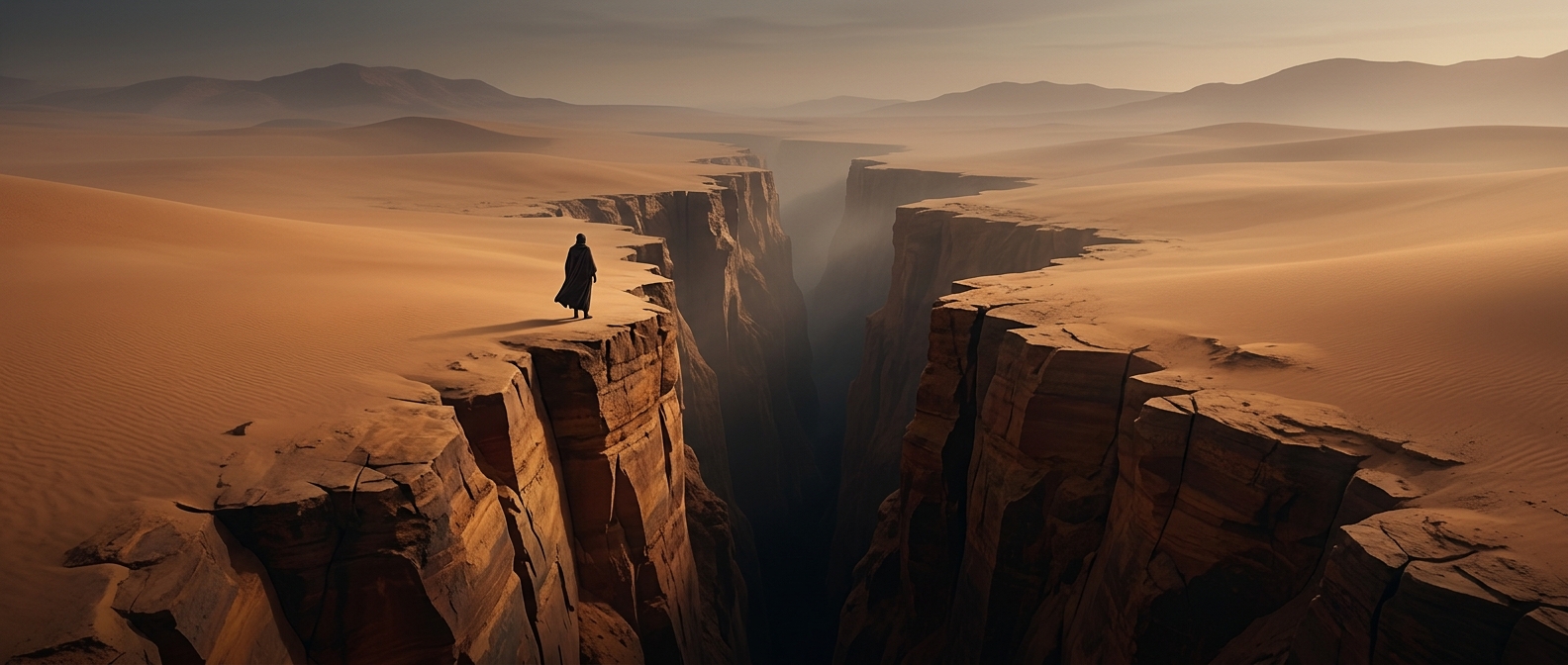
How a seasonal river made a vast canyon
The Fish River Canyon is a reminder that a river does not need to flow constantly to reshape a landscape. In Namibia’s arid south, the Fish River is often reduced to a modest stream or dry channel, but rainy periods can send torrents through the gorge. Those surges carry sand and stones that scrape and batter the riverbed, while water seeps into cracks and helps loosen rock. Repeated over long stretches of geological time, that work deepens the channel.
A winding cut through ancient rock
The canyon’s bends follow a path shaped by the underlying terrain: the river cuts where it can, turning around resistant rock and following weaker zones. As the channel sinks, it exposes layers of rock along its walls, making the canyon a cross-section through a much older landscape. The abrupt contrast between bare, dry slopes and the river’s narrow corridor is part of the same process: water is scarce here, but its occasional force is concentrated in the channel.
Why the scale feels surprising
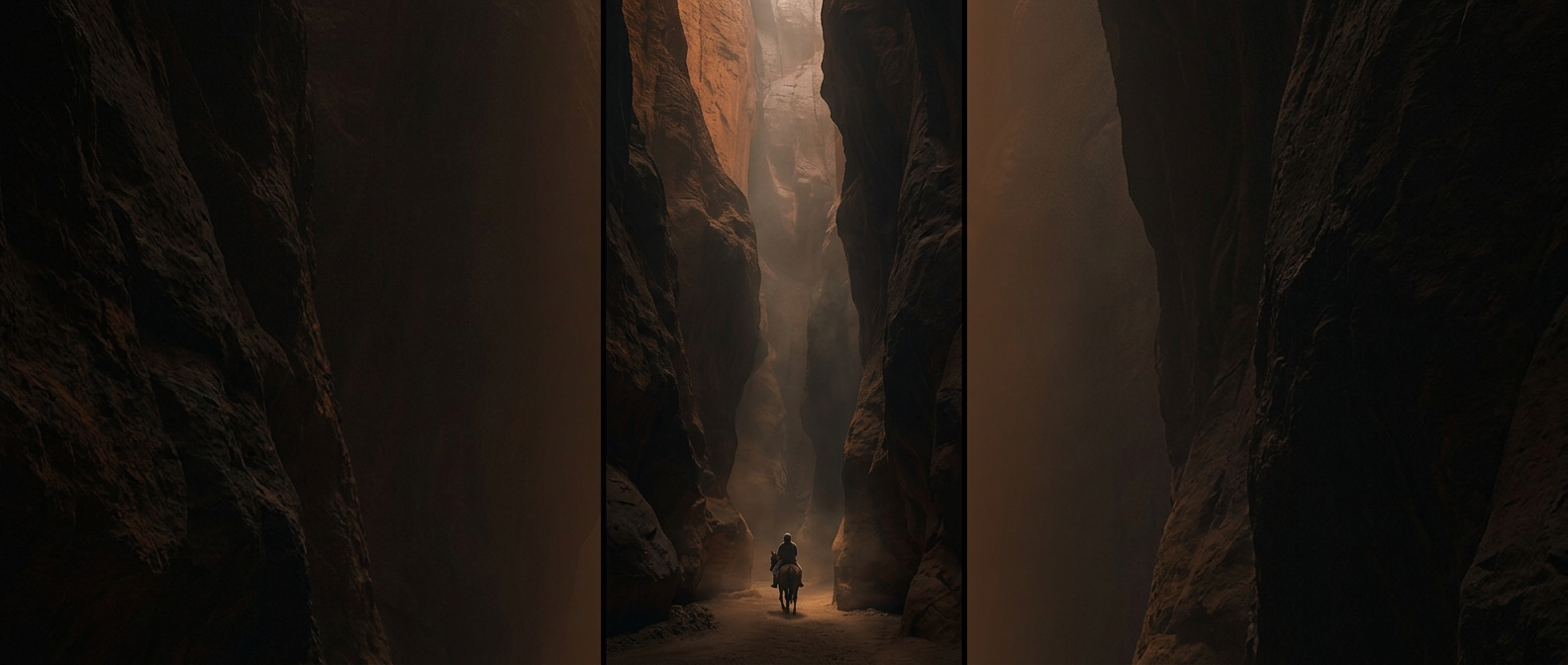
From the rim, the river can seem too small to account for the immense hollow beneath it. The mismatch disappears when time enters the picture. A flood may last days; erosion accumulates across countless such events. The result is a landscape whose most powerful sculptor is often absent from view—until rain gathers upstream and the river briefly returns with enough force to keep carving.