Why Blyde River Canyon Looks So Green
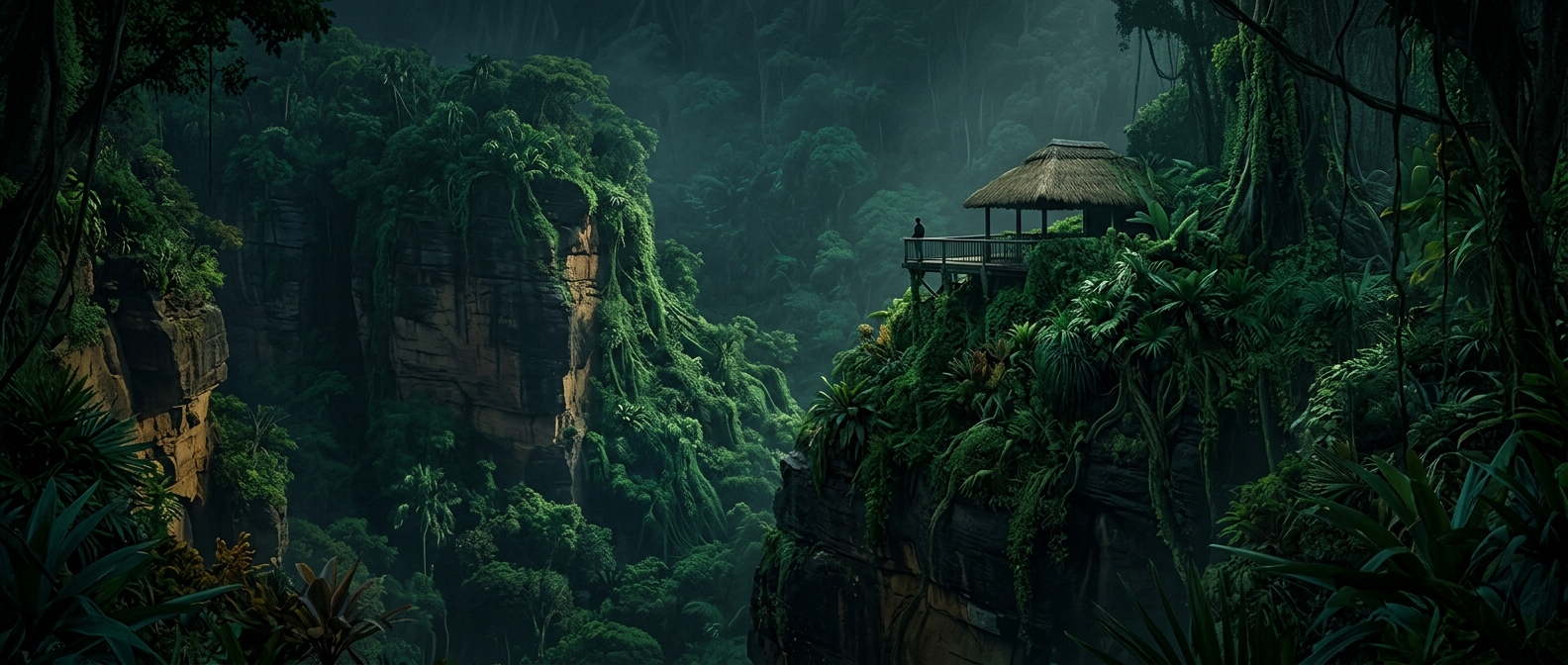
A canyon’s steep walls can make it seem like a place where little grows. Blyde River Canyon, in South Africa’s Mpumalanga province, breaks that expectation: its slopes and river corridor support abundant vegetation, giving the landscape a green, almost jungle-like appearance.
The key is that the canyon is not one uniform environment. Its terrain drops through different elevations, and the river winds along the bottom. Changes in height, exposure and access to water create varied growing conditions across a relatively compact area. The river helps sustain greenery below, while the surrounding high country brings its own conditions; the result is a patchwork of vegetation rather than one continuous tropical forest.
A Canyon With Many Microclimates
A microclimate is a small area with conditions that differ from those nearby. In a deep valley, a slope facing the sun can be warmer and drier than a shaded slope, and sheltered places may hold moisture longer. Those contrasts help explain why the canyon can look lush without being uniformly jungle-like.
The greenery also changes how the land’s scale reads. Trees and dense growth soften the outlines of the rock, while exposed cliffs and ridges still reveal the canyon’s depth. Look from a viewpoint and the scene can feel less like a bare chasm than a vast green landscape carved open by a river. That mix—vegetation, water and steep relief—is what makes Blyde River Canyon’s appearance so striking.