How a buried granite body became a bare dome
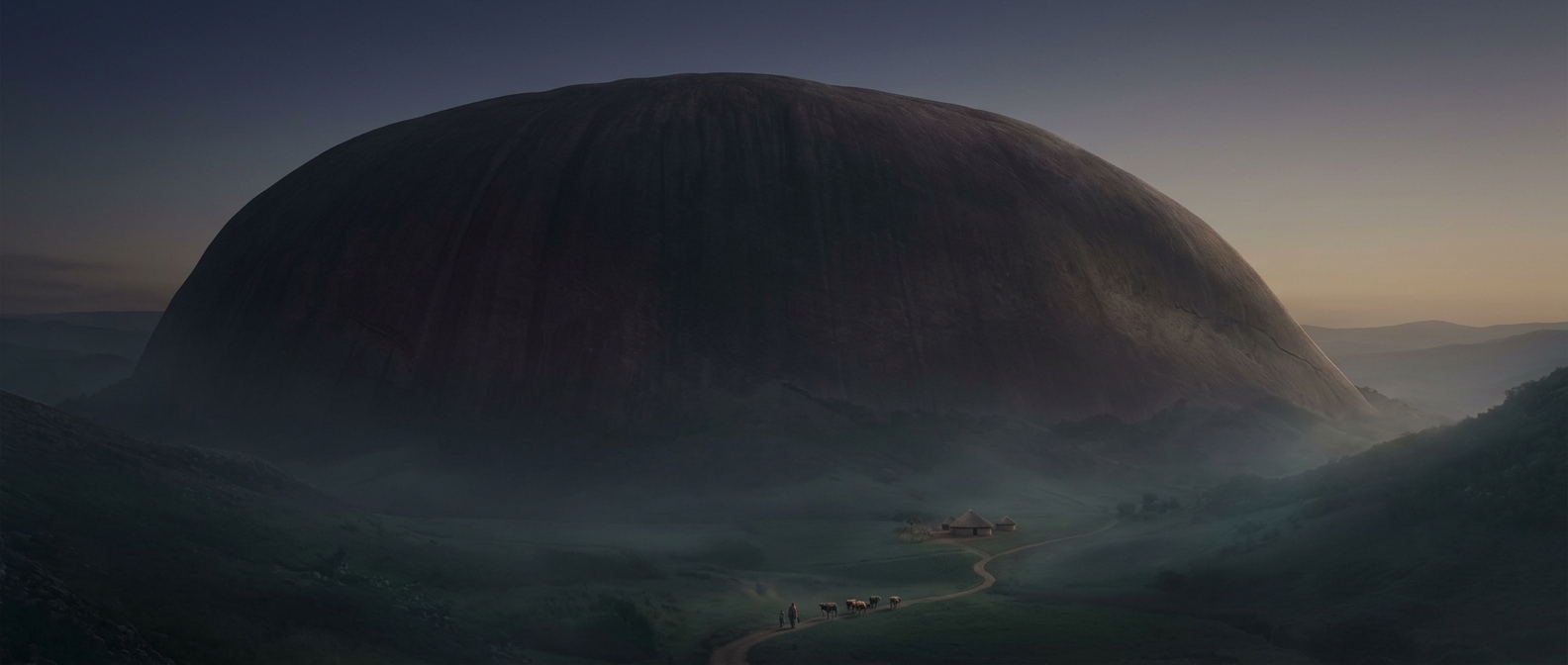
Sibebe, near Mbabane in Eswatini, is not a boulder perched on the landscape. It is an exposed part of a much larger body of granite: rock that formed when molten material cooled slowly underground. Over immense spans of time, erosion wore away the surrounding material and uncovered the harder granite.
As pressure from the overlying rock eased, the granite could crack in broad, curved sheets. Weathering widened those cracks and gradually peeled away outer layers, helping shape the rounded dome. This process leaves a striking contrast: a vast rock surface rising directly from the surrounding terrain, rather than a peak built from stacked layers.
Why the climb can feel treacherous
Granite may look grippy from a distance, but its broad slabs can offer few obvious handholds or footholds. On a steep section, a climber’s weight presses against a surface that slopes away, so even a small slip can become difficult to stop. Water makes that footing less reliable, and exposed rock offers little shelter or vegetation to break a fall.
The scale that makes Sibebe impressive also makes its surface consequential: a seemingly simple walk across bare stone can turn into a demanding climb when the route steepens. Its smoothness is part of the geological story—weathering has shaped the dome over time—but it is also the practical reason to treat the rock as serious terrain, not just a giant natural pavement.