Why Bwindi’s slopes gather mist
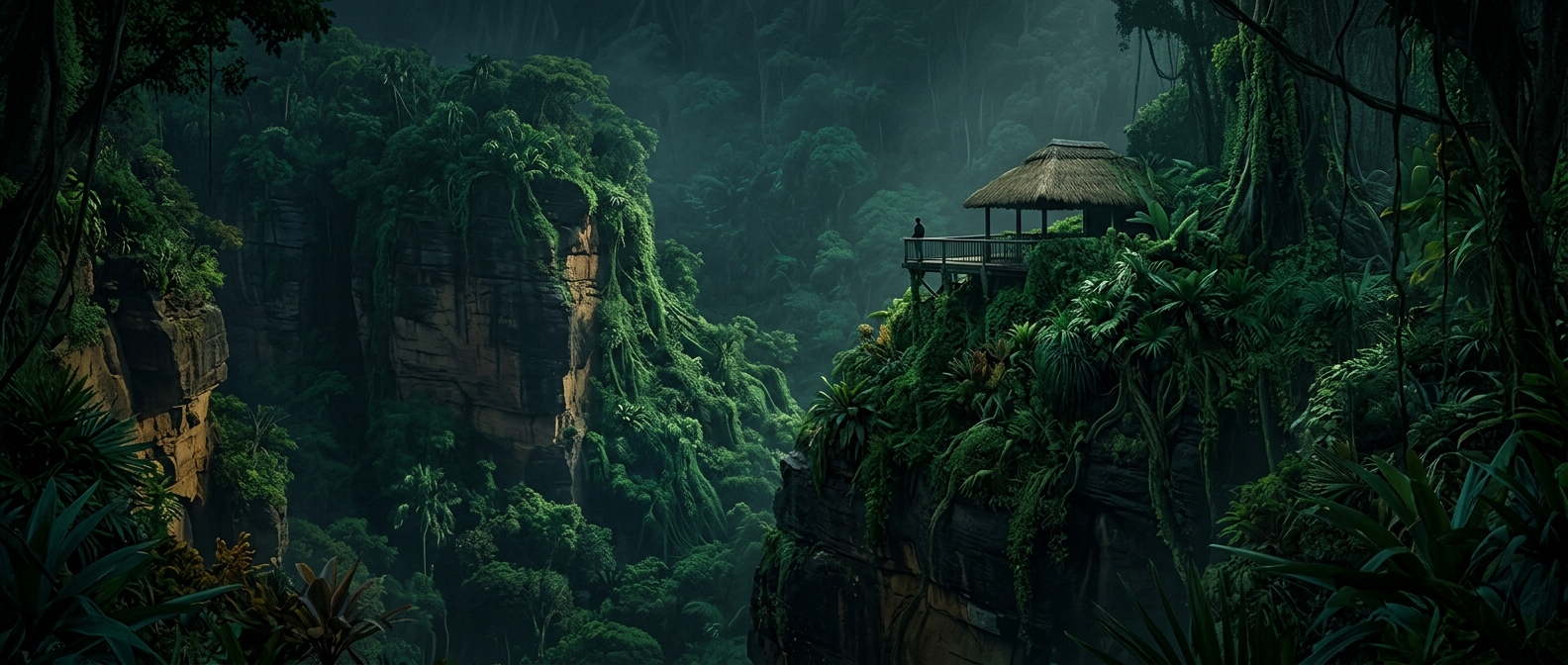
Bwindi Impenetrable Forest lies in Uganda’s highlands, where steep, forested ridges rise into cool, moisture-rich air. As that air climbs, it cools; water vapor condenses into tiny droplets, forming low cloud and mist. The forest’s dense vegetation adds to the close, enclosed feel, while narrow valleys and changing elevations can make visibility vary over a short walk.
The mist is not a permanent curtain. It can thicken, lift, or drift across a slope as conditions change. But in a place where the canopy blocks long views and trails wind through rugged terrain, even a brief bank of cloud can make the next stretch of path disappear.
A forest experienced at trail level
That limited view shapes how visitors move through Bwindi. Rather than looking out across a broad landscape, hikers often navigate by the trail immediately ahead, listening for guides and watching their footing on damp, uneven ground. The forest’s name, “Impenetrable,” reflects the difficulty of moving through its dense vegetation—not an absence of paths or visitors.
For people tracking mountain gorillas, the setting makes the encounter feel especially close and immediate: the forest can conceal an animal until the group is near. Mist is part of the atmosphere, but it is the combination of cloud, steep terrain, and thick growth that gives Bwindi its enveloping character.