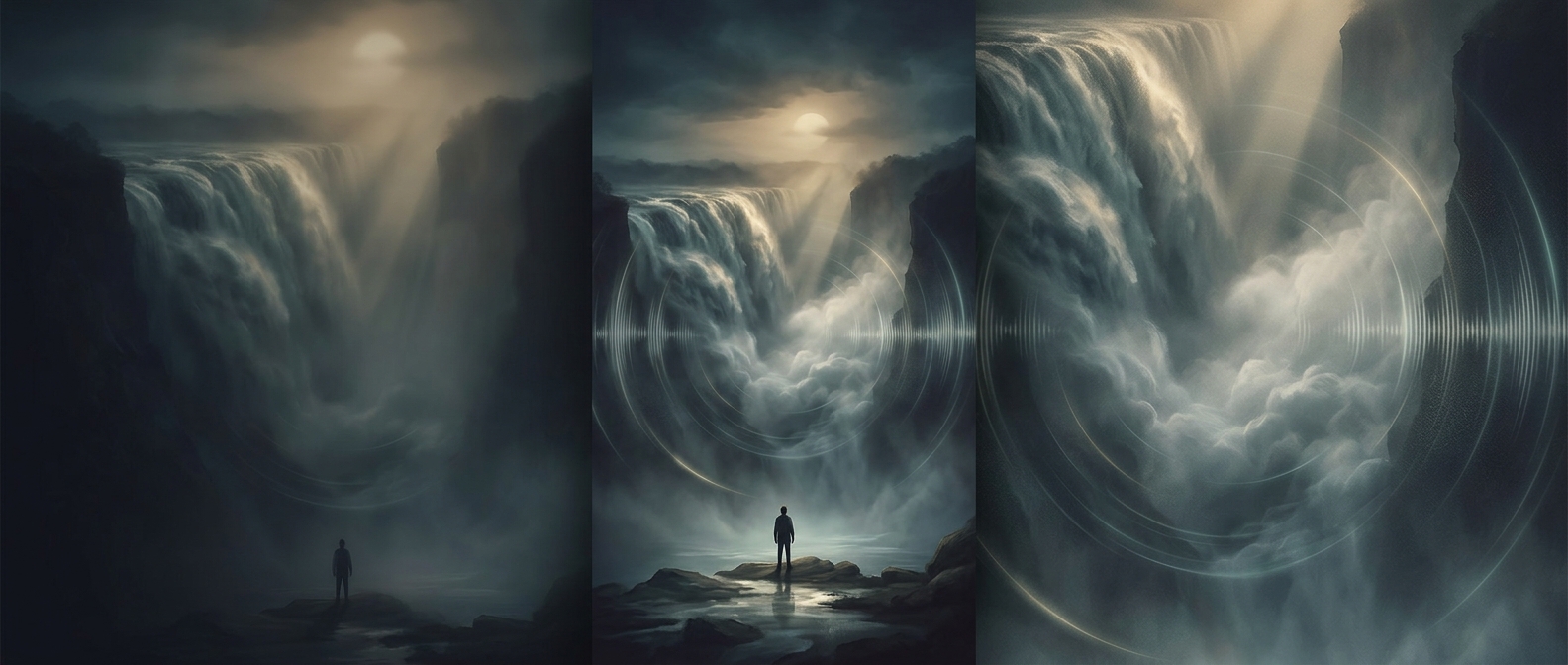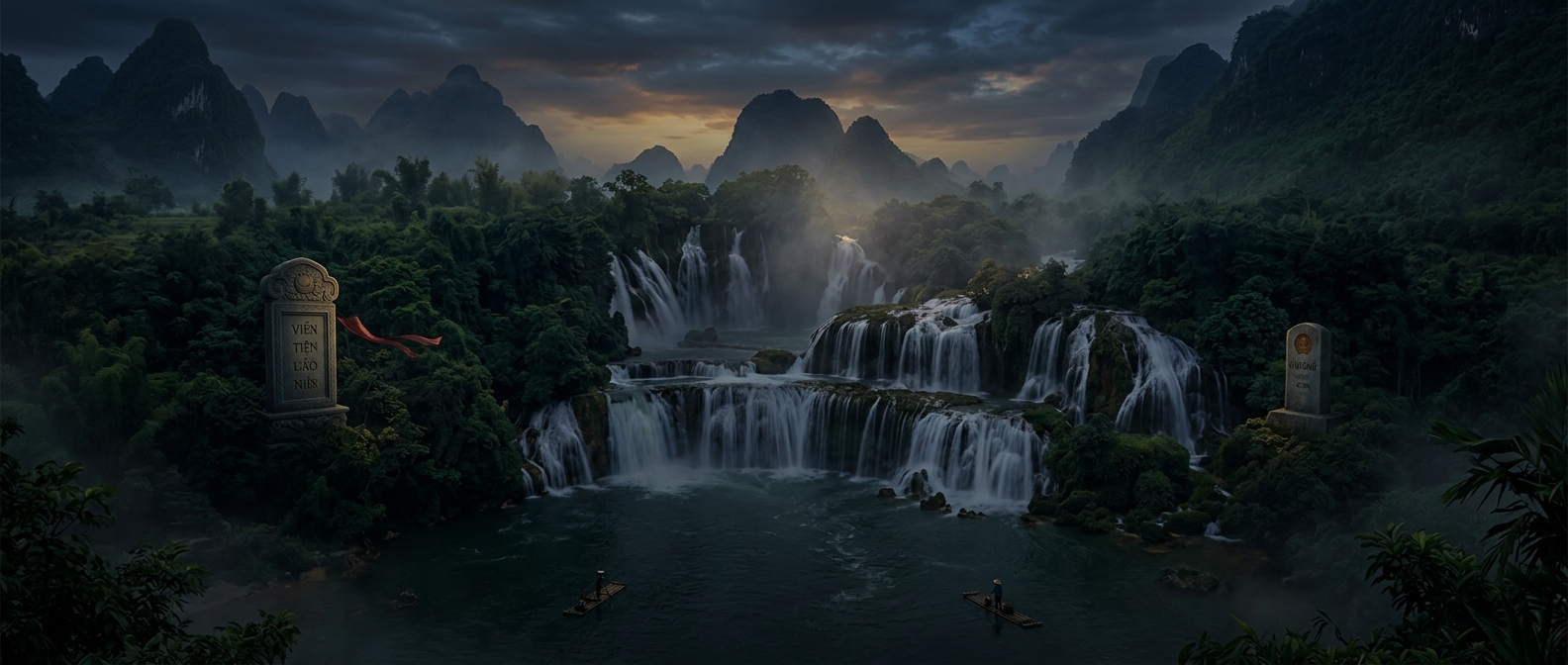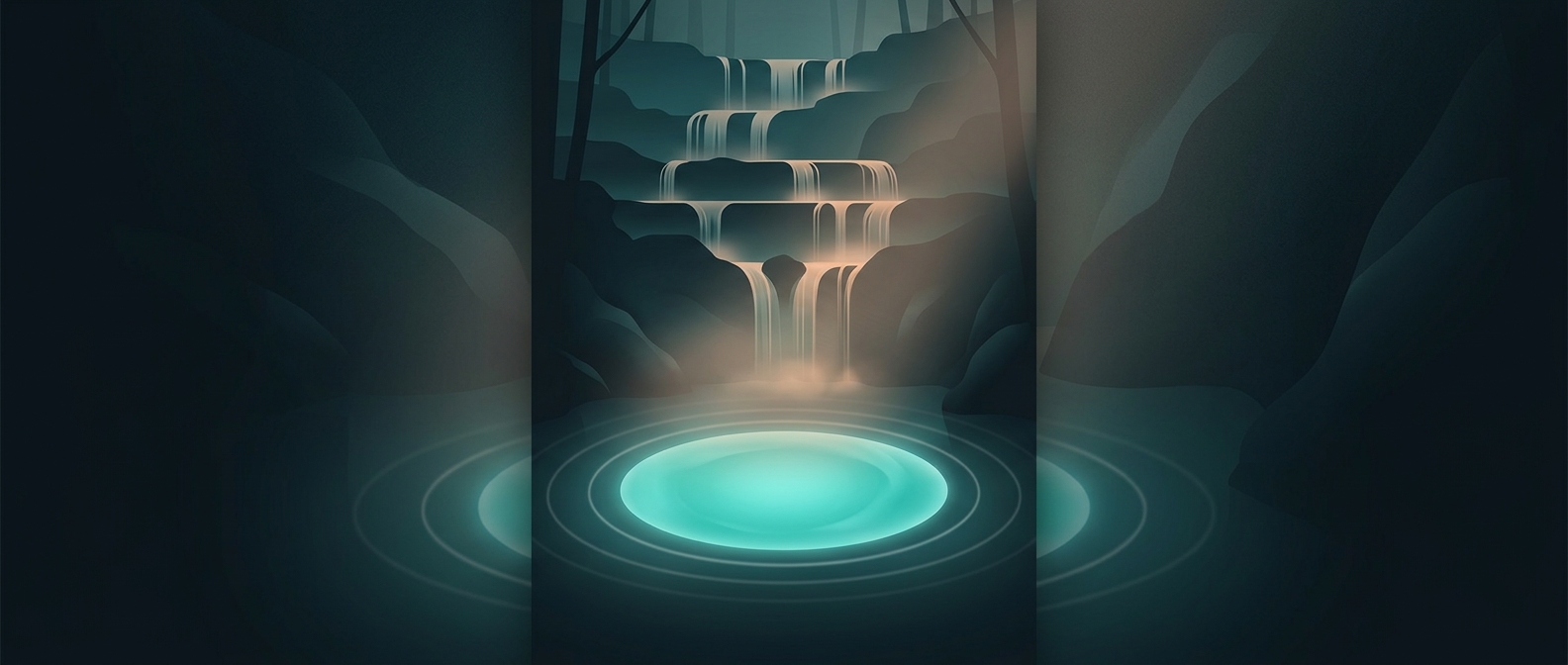
A rock ledge turns a waterfall’s edge into a pool
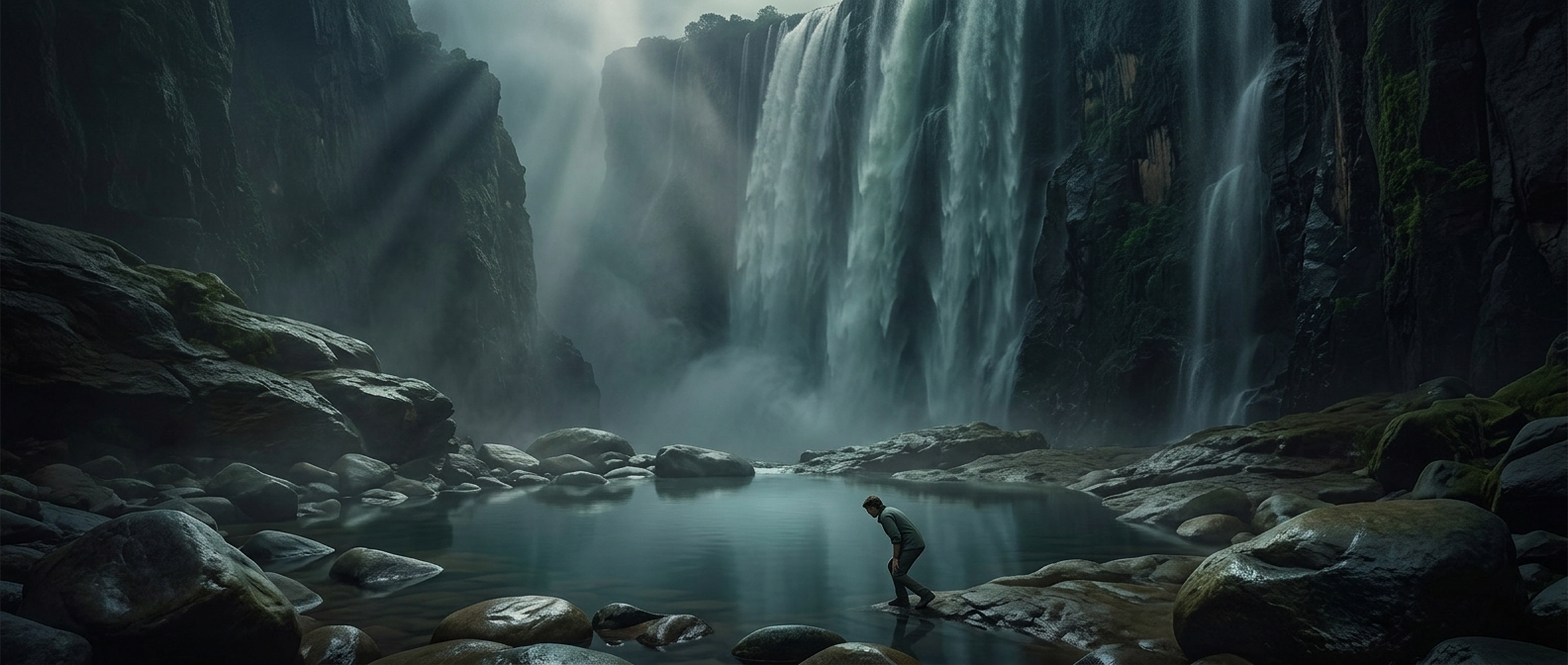
Devil’s Pool lies at the brink of Victoria Falls, where the Zambezi River spills into a deep gorge. Its striking appearance can make the water seem to run straight off an open cliff, but the pool occupies a shallow hollow behind a natural rock lip. That submerged ledge acts as a barrier, helping hold swimmers back from the drop when the river is low enough for the pool to be accessible.
The protection is a feature of the riverbed, not a built wall. Water still moves through the pool and over the falls; the rock formation simply creates a sheltered pocket at the edge. The exact shape of that pocket and the force of the current matter, which is why this is not an ordinary swimming hole.
Why the pool is seasonal
The Zambezi’s flow changes through the year as water from a vast upstream region reaches the falls. When the river rises, the lip can be covered and the currents become too strong for visits. During suitable low-water conditions, the rock barrier is exposed enough for guided access. The safe window therefore depends on river conditions, not a fixed calendar date, and the pool is not a year-round attraction.
That seasonal change is what makes the scene possible—and what limits it. From the right angle, the rock lip disappears beneath the water, leaving a swimmer apparently balanced at the edge of a continent-sized drop. The view is dramatic because the barrier is there, even when the photograph barely shows it.