How limestone turns a stream into terraces
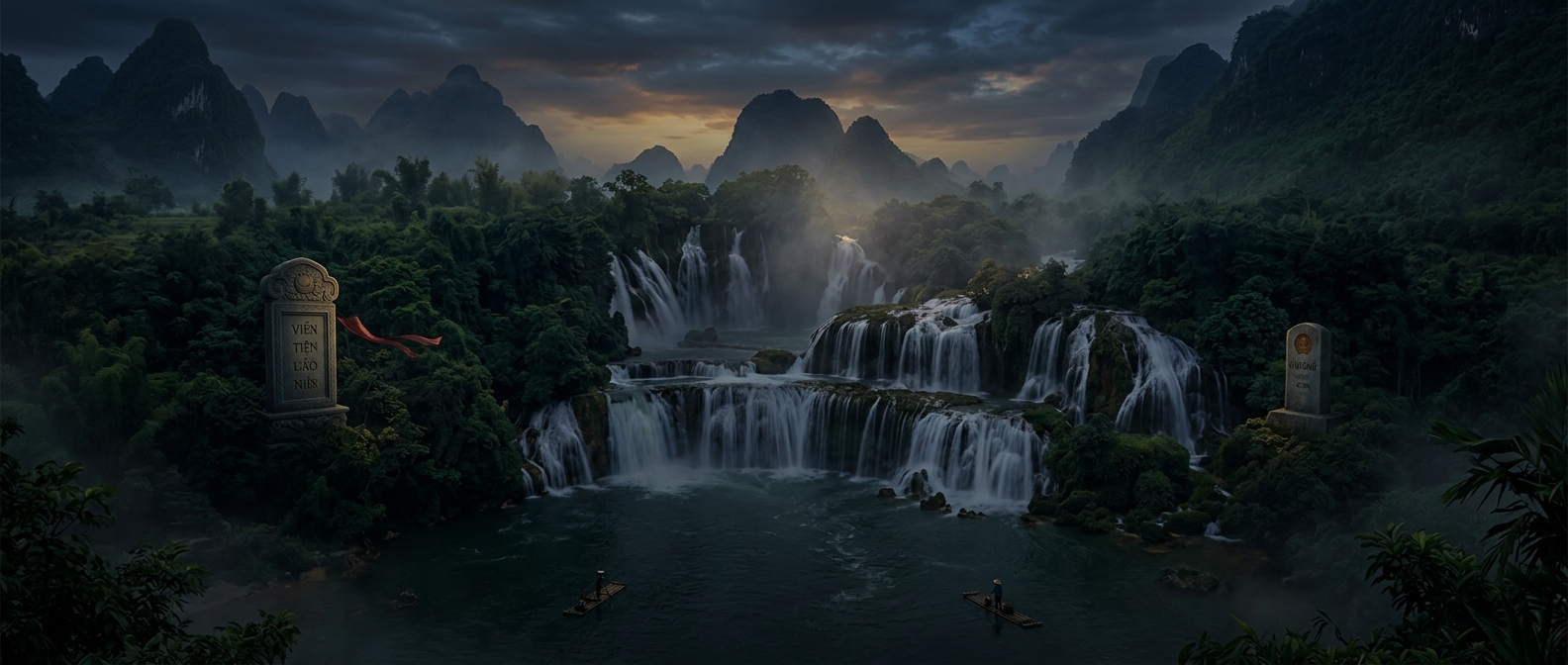
A stepped waterfall can look engineered, but its ledges may be built by the water itself. Rainwater absorbs carbon dioxide from air and soil, becoming slightly acidic as it moves through limestone. It dissolves a little calcium carbonate from the rock, then releases some of it when the water tumbles, warms, or loses carbon dioxide. The mineral settles onto rocks, gradually thickening edges into low natural dams.
Water spills over each rim into a shallow basin, then repeats the process below. Because the mineral deposits grow unevenly and the stream keeps cutting and reshaping them, the steps are irregular rather than identical—as if a staircase were assembled slowly by a flowing stream.
Why the pools look turquoise
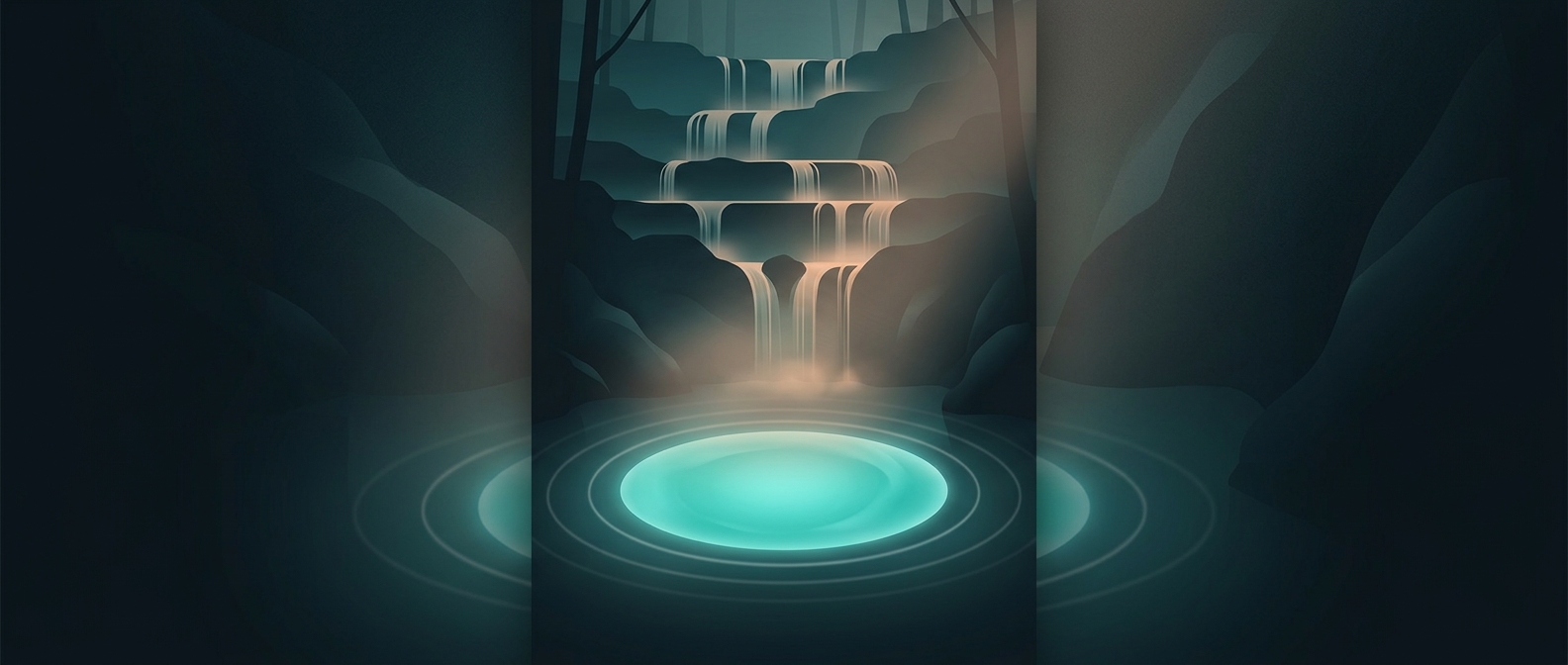
The color comes from the combination of water and a pale limestone floor. In shallow, clear pools, sunlight reaches the bottom and reflects back through the water; fine mineral particles can also scatter light, strengthening the blue-green appearance. The exact shade shifts with depth, sunlight, and how much sediment is suspended in the water.
That same shallow, tiered shape makes the cascade feel more like a chain of natural bathing pools than a single drop. Each basin briefly slows the stream before it spills onward, so the resort-like appearance is not just visual: it follows from the way limestone terraces divide a flowing river into a series of small, calm pockets.