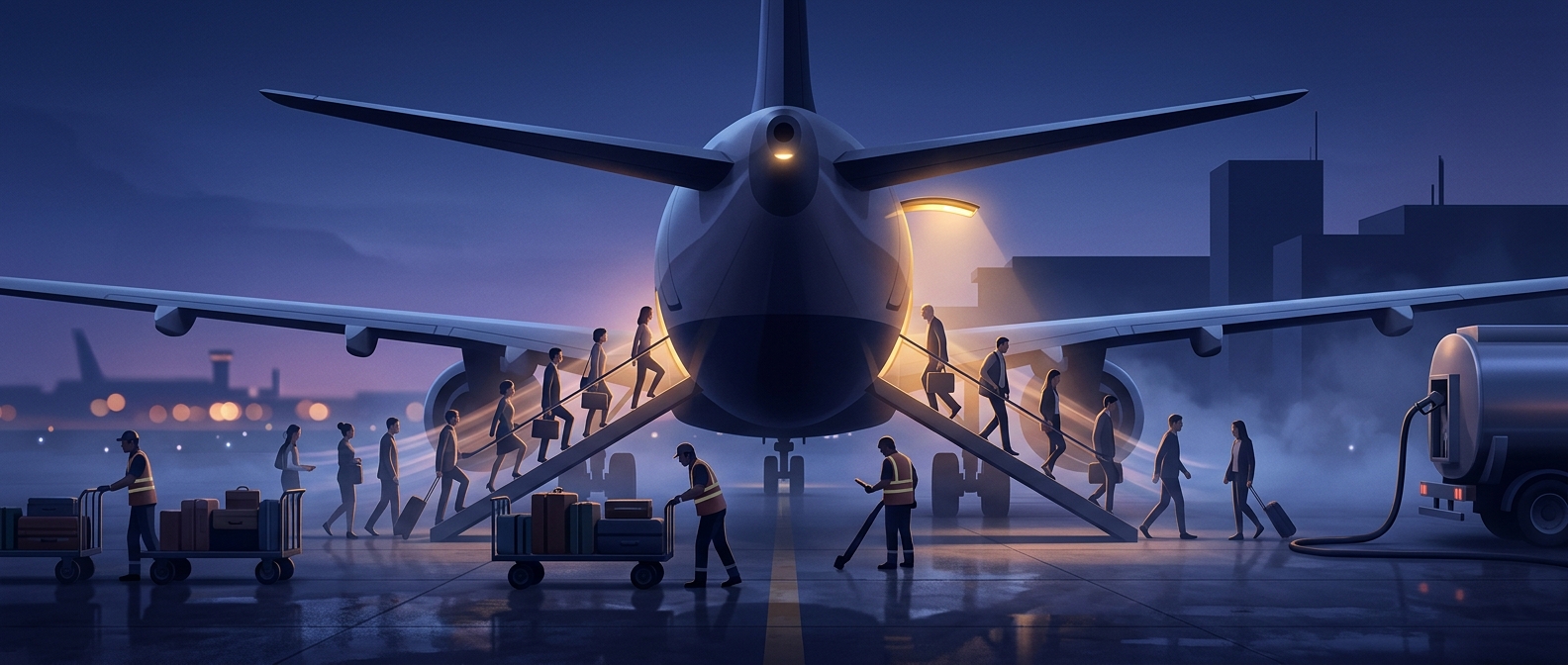
Why Seoul–Jeju Became an Air-Lane in the Sky
Jeju is an island off South Korea’s southern coast, so reaching it from the mainland means crossing water. Ferries carry travelers too, but flying makes a short island trip practical for people with limited time. That simple geography turns air service into an essential connection, not just a convenient option for holidaymakers.
Demand Keeps the Flights Coming
Jeju draws visitors from across South Korea, while the island also needs reliable links for residents and people traveling for work or family reasons. Most passengers from the capital region use Seoul’s Gimpo Airport, creating a concentrated stream of travelers between two major population and travel hubs.
When demand is steady, airlines can schedule flights close together and keep aircraft moving through repeated trips. That produces a route with an unusually high volume of departures and passengers. The striking figure is not just a measure of popularity: it shows how an island’s geography, a major city’s travel demand, and frequent air service reinforce one another.
A Busy Route, Not a Long Journey
The Seoul–Jeju corridor is busy because so many people need the same connection—not because the distance is exceptional. With more than 17 million passengers flying it annually before the pandemic, the route worked less like a rare long-haul journey and more like a frequently used bridge across the water. For Jeju, that regular traffic helps keep the island closely connected to the mainland even without a road or rail link.