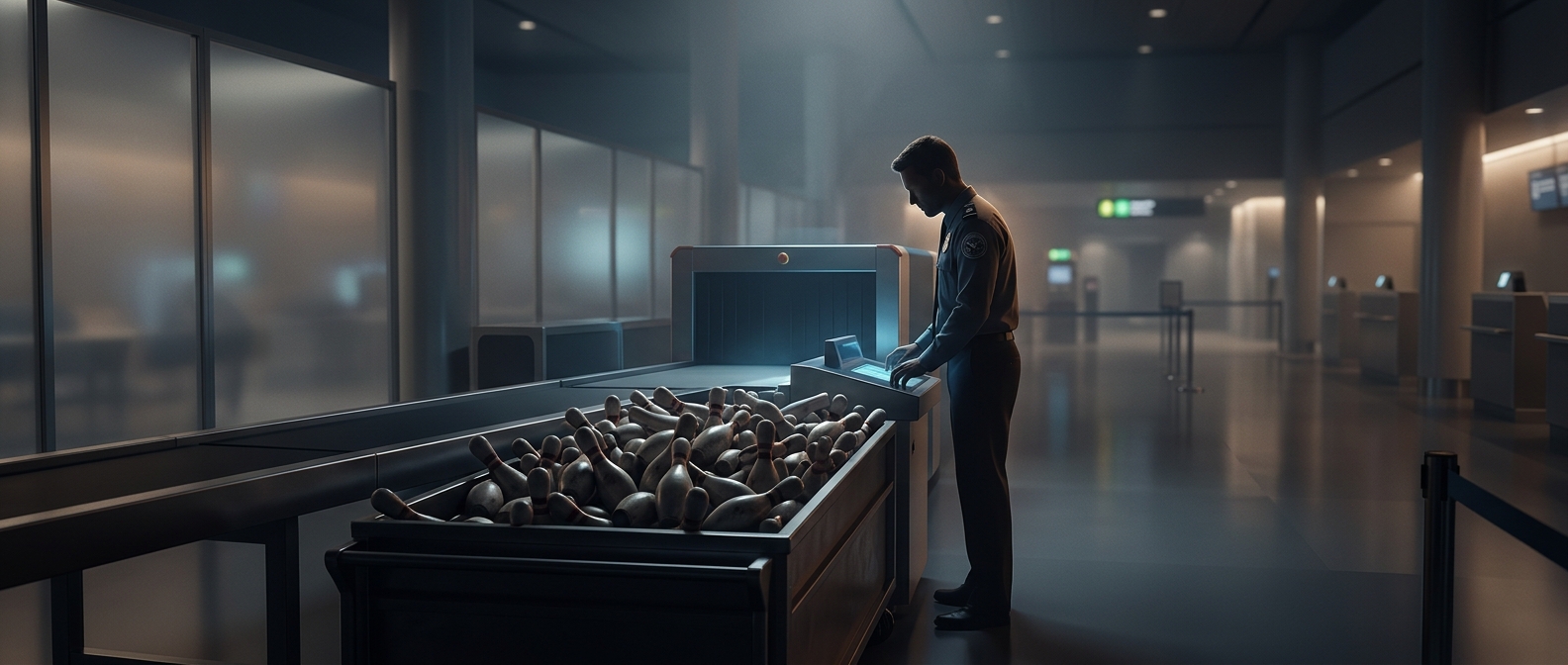
How an Airport Checkpoint Turns Odd Luggage Into Evidence
A screening checkpoint is designed to spot objects that could create a danger in flight, not to judge whether a traveler meant to cause trouble. X-ray machines show the shapes and densities of items inside bags; when an image is unclear or raises a concern, officers may inspect the bag more closely. That is how an ordinary piece of luggage can reveal something as unexpected as a blade—or a live animal.
The crucial distinction is often where an item is packed and whether it is allowed there. An object barred from the cabin may be permitted in checked baggage under specific conditions; other items are prohibited altogether. A loaded firearm or a concealed live animal can prompt a response quite different from a pocket tool that a traveler forgot was in a carry-on. Either way, once an item is found, the traveler may have to leave it behind to continue through security.
Why Some Seized Items Reappear for Sale
Items left at checkpoints do not all follow the same path. Dangerous or otherwise unsuitable goods cannot simply be put back into circulation. Some nonhazardous property, however, may enter a government surplus or auction process, depending on the agency and local rules. Selling items in bulk—rather than sorting every small tool or accessory into a separate sale—makes the unusual leftovers easier to handle.
That process turns a private packing mistake into a public oddity: a lot of ordinary objects grouped together because their owners could not take them aboard. But an auction listing does not mean the items were safe to carry through the checkpoint. It means only that the property was judged suitable for a different use after leaving airport security. The same object can be unacceptable in a traveler’s bag and perfectly ordinary once it is out of the travel system.