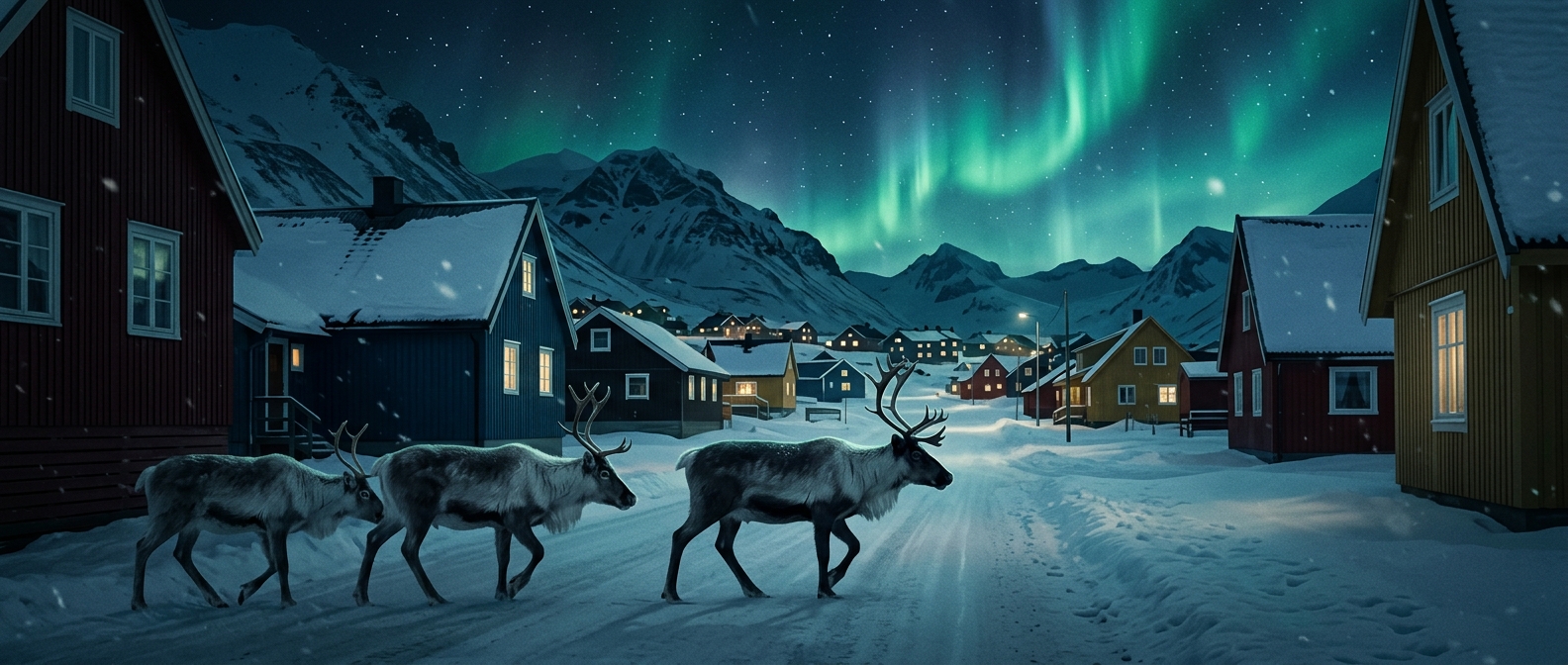
When grazing routes meet town streets
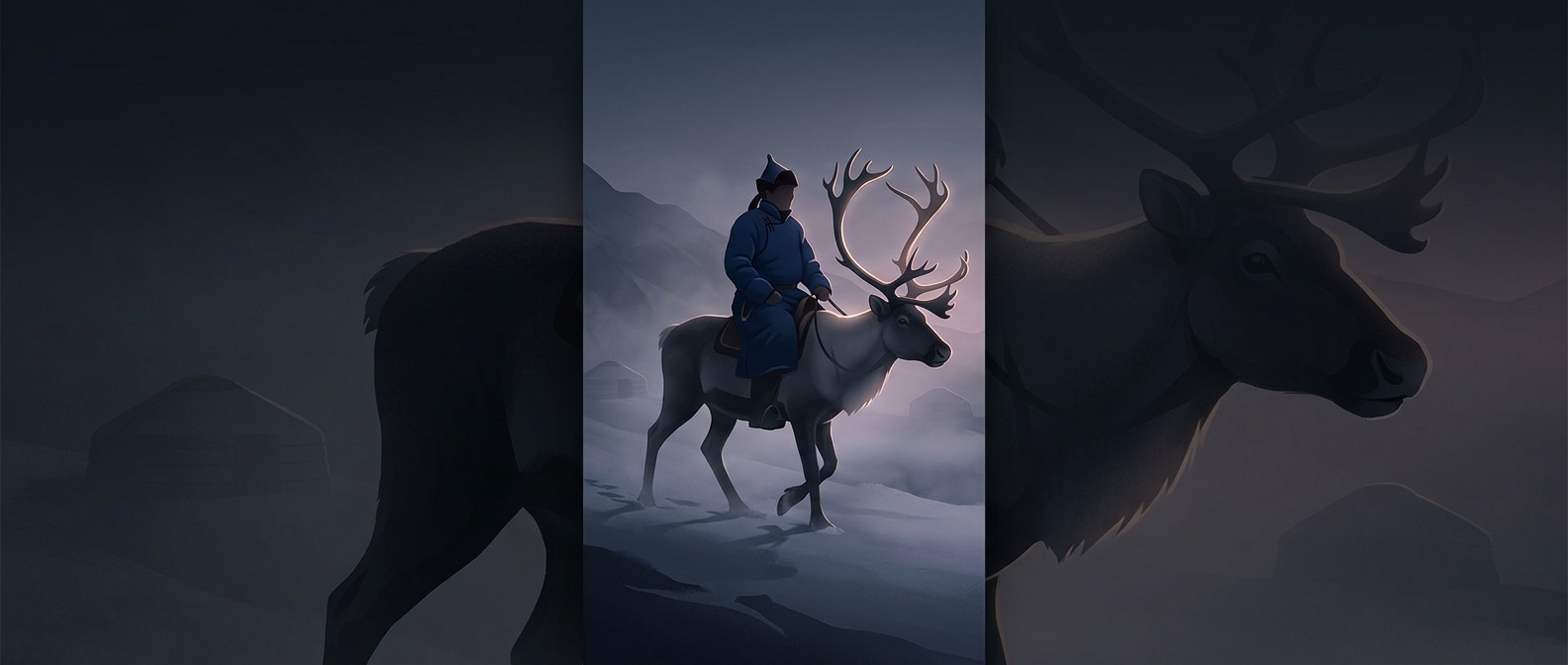
In parts of the Arctic, reindeer are not simply wild animals passing through human territory. Many are managed by herding families, whose work depends on moving them between seasonal pastures. The animals need broad areas to graze, and their routes can cross roads and settled places that have grown up within the same landscape.
That overlap is especially visible when a herd is being moved. Reindeer may travel in groups along familiar corridors, while residents continue ordinary errands around them. A grocery store or apartment block can look like an unlikely backdrop, but to people who live there, the encounter is part of managing daily life in a place where herding and settlement share space.
A landscape shaped for more than one purpose
The arrangement reflects a practical constraint: reindeer need room to follow changing pasture conditions, while Arctic communities need homes, shops, and roads. Rather than keeping the animals permanently apart from town, residents may adjust their routines as herds pass—slowing traffic, giving the animals space, or waiting for a crossing to clear.
The scene also points to a living relationship between northern communities and the land around them. Reindeer herding remains work and, for some Indigenous peoples, an important part of cultural life. When animals appear beside everyday buildings, the boundary between “town” and “wilderness” is less a line on a map than a negotiation over shared ground.