Why Bracken Cave’s Guano Smell Builds Up
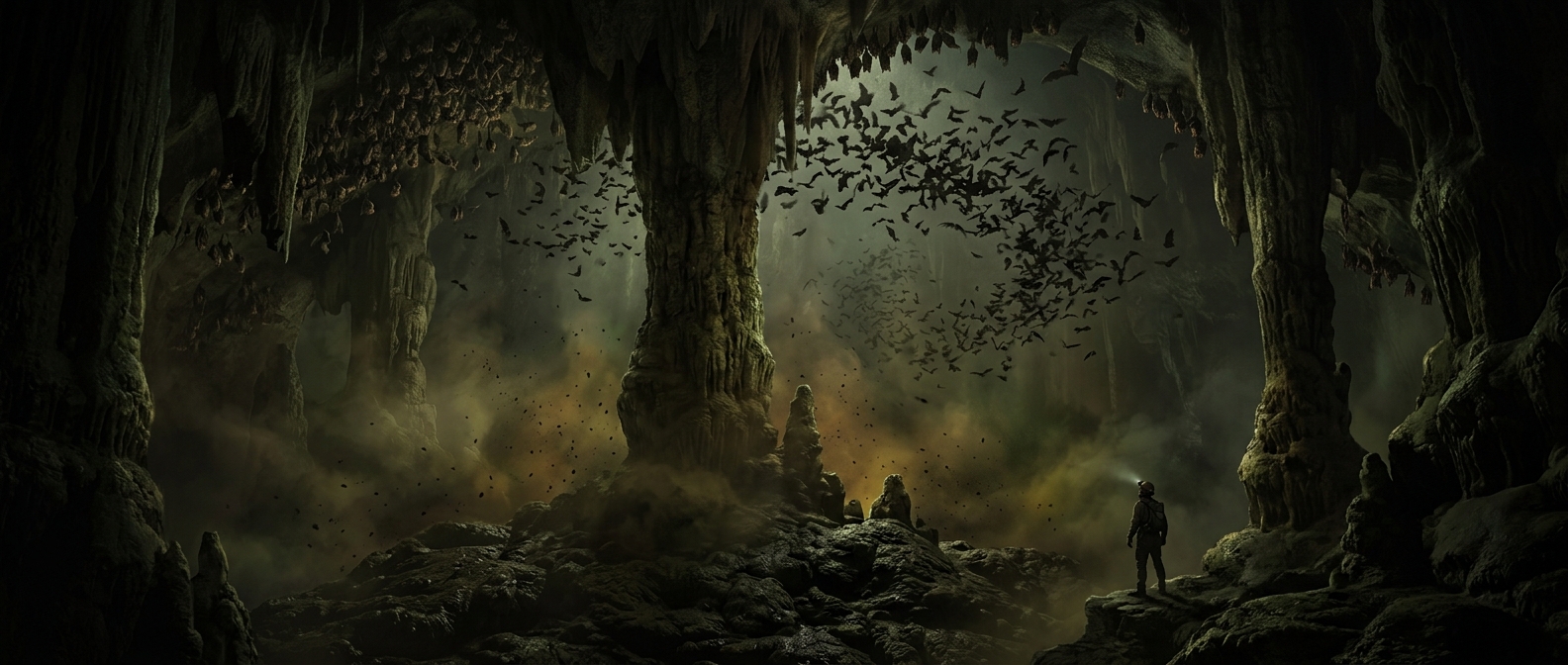
The odor is not simply the smell of fresh droppings. A large bat colony leaves waste on the cave floor night after night, and microbes break down its nitrogen-rich compounds. That process releases ammonia and other pungent gases. Where guano accumulates in a sheltered space, the smell can linger instead of dispersing quickly into open air.
The cave’s limestone setting gives the waste a place to collect, but the bats’ daily routine supplies the material: they return to roost after feeding outside, and their droppings build up beneath the crowded roost. The result is a strong, concentrated smell tied to the colony’s presence—not an unusual feature of limestone itself.
The Smell Is Part of the Cave’s Ecology
Guano is also a food source. Insects and other small organisms feed on it, while microbes continue to break it down. In this way, nutrients brought into the cave by bats help support life in a place with little sunlight. The odor is one visible-to-the-nose consequence of that transfer: what the bats consume outside becomes waste that sustains a small cave ecosystem.
For visitors near Bracken Cave, the contrast is striking: the bats’ dramatic evening flight is easy to admire from a distance, while the accumulated guano makes clear how much life is concentrated inside their roost.