How wallabies came to live on a Scottish island
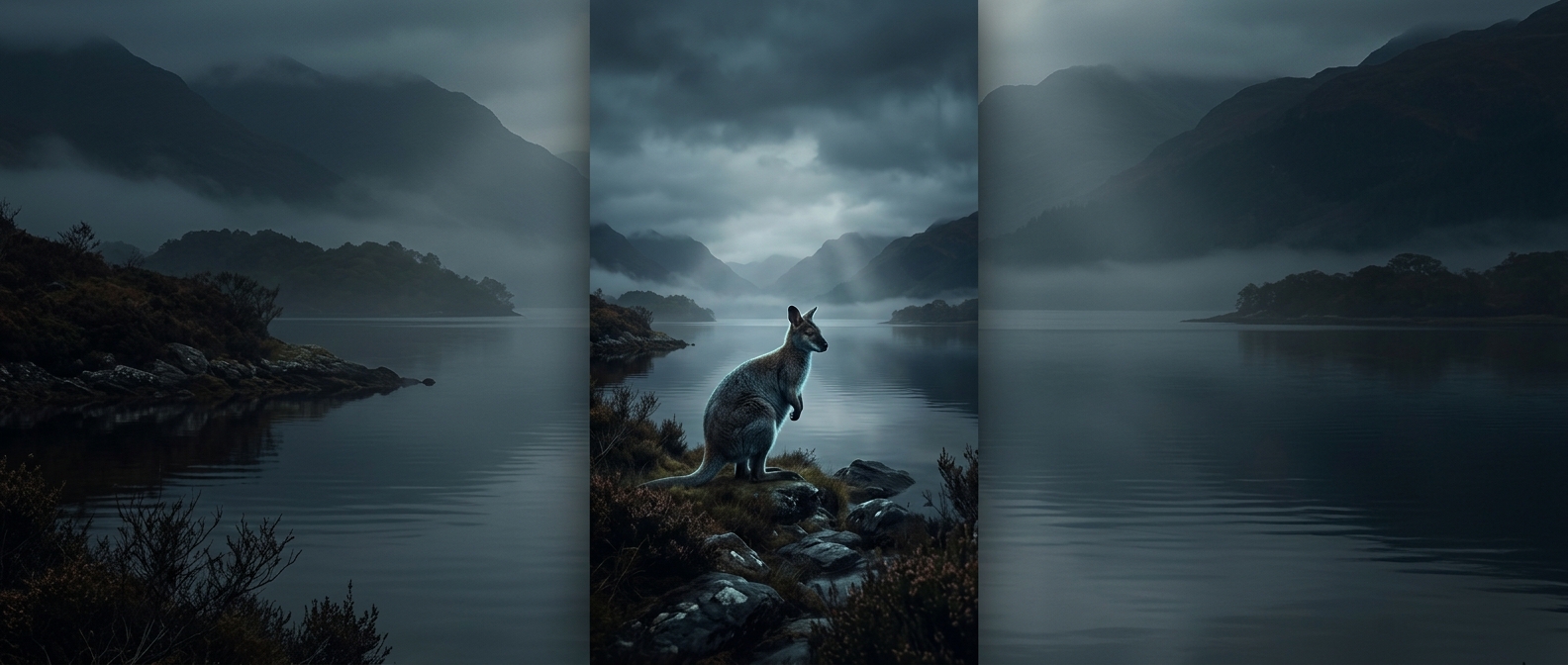
Wallabies are native to Australia, so the colony on this Scottish island began with human intervention, not a natural migration. An aristocrat introduced the animals in the 1920s; the wallabies seen there today are descendants of that original group. Over generations, they established a free-living population rather than remaining in a zoo or enclosed collection.
An island became their unlikely home
An island can make an introduced population easier to notice and distinguish from surrounding wildlife: the water forms a natural boundary, and the animals’ presence is concentrated in one place. That does not mean the wallabies are native to Scotland. It means they have persisted there long enough to become part of the island’s modern landscape.
The contrast is what makes the sight memorable: an Australian marsupial moving through Scottish scenery. The colony is also a small reminder that local wildlife can reflect human choices made generations earlier—and that an introduction can outlast the person who made it.