Why Romania’s Carpathians support so many bears
The key is not simply that Romania has a lot of forest. Across the Carpathian Mountains, large wooded areas connect into a broad landscape where brown bears can find cover, food and room to roam. The mountains’ varied terrain also offers different habitats, from dense forest to open slopes, helping bears meet their needs across the seasons.
That habitat is not isolated from human life. Roads, villages and farms sit alongside forest, so bears may travel through landscapes that hikers and residents also use. The national reputation for high bear density does not mean every Romanian forest is equally likely to hold one; encounters depend on the particular area and conditions.
What that means on a hike
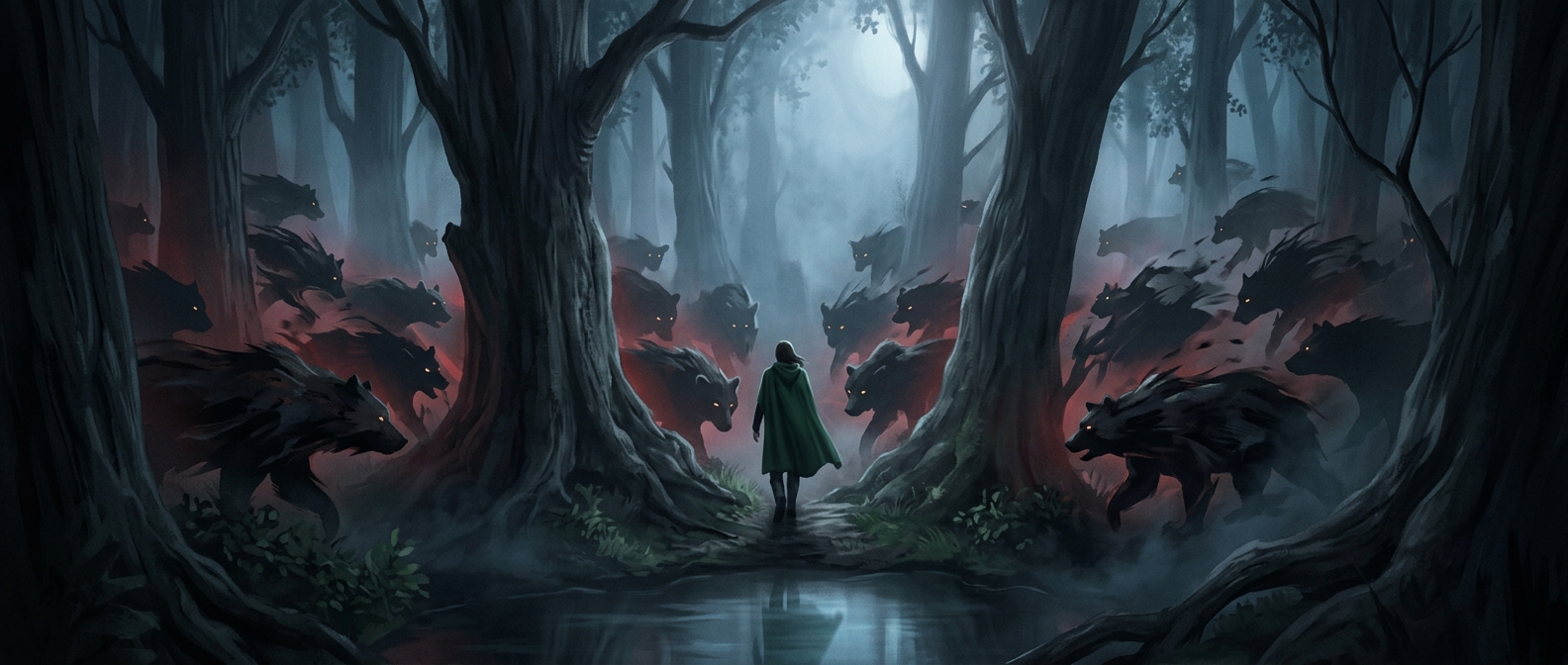
Bears generally try to avoid people, but a sudden close encounter is more likely when a hiker surprises one at short range or approaches a bear’s food or young. Food smells can also draw bears toward campsites and settlements, which is why local guidance about storing food and handling waste matters.
For visitors, the practical shift is to treat a forest trail as shared habitat, not as a controlled wildlife exhibit: stay alert, keep food secured, and follow signs or advice from local authorities. The remarkable part of hiking in bear country is also the ordinary one—the same connected mountain forests that make a sighting possible are home to animals moving through their own landscape, often unseen.