How a digital collectible becomes a café pass
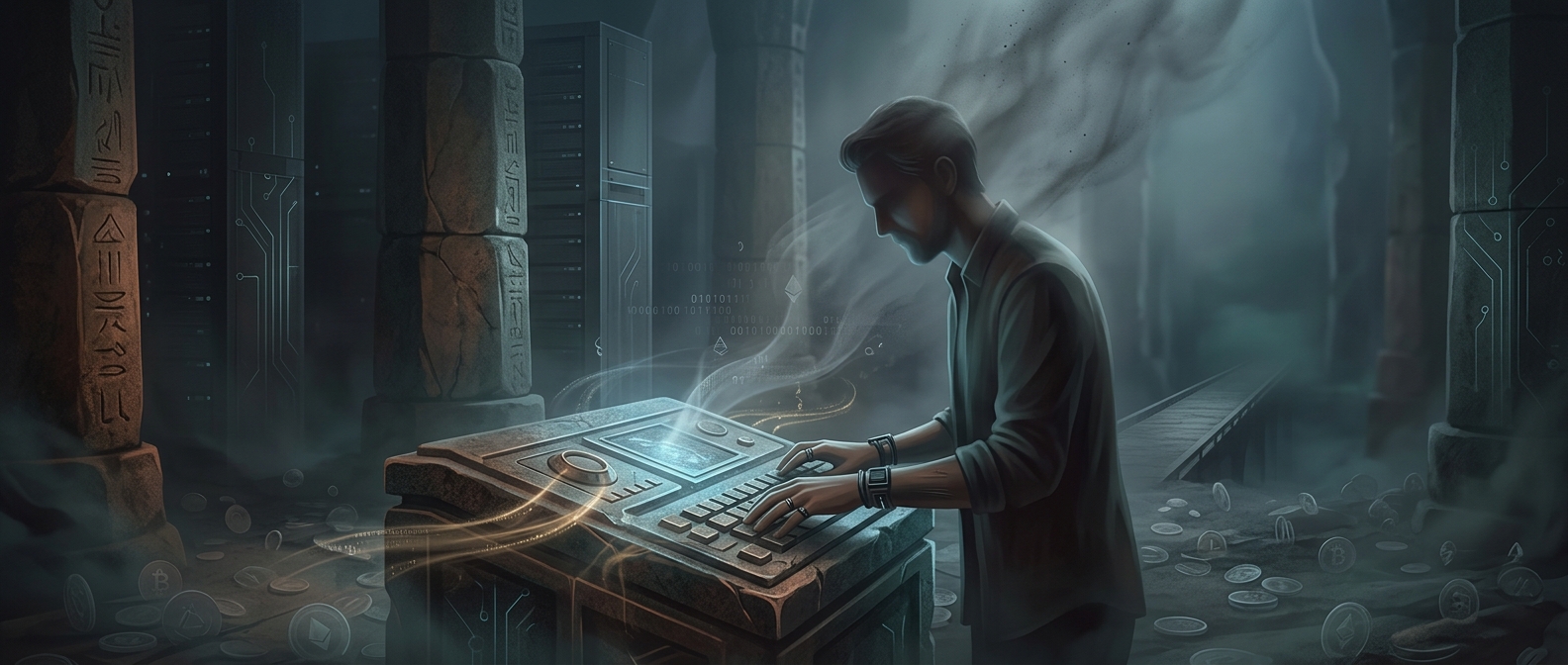
An NFT is a unique digital token recorded on a blockchain. A café can connect a benefit—such as a free drink, a tasting invitation, or access to a limited number of seats—to ownership of a particular token. At the door or counter, the customer proves the token is in their digital wallet; staff or a check-in system verifies it and applies the perk.
That changes what the token is for. Instead of relying only on its artwork or resale value, it gives the holder a reason to visit the business. The café, in turn, can sell a defined number of memberships without printing cards, and can make the pass transferable if it chooses. A new owner could then inherit the attached benefit, subject to the café’s rules.
The perk is the product—and the complication
A token does not serve coffee or enforce a reservation by itself. The café still has to decide what it entitles someone to, how often the benefit can be used, and how staff will check eligibility. A free drink is relatively simple to honor; a guaranteed seat at a popular event requires limits and scheduling. If those terms are unclear, the token’s technical uniqueness will not prevent customer confusion.
The model also shifts some of the membership experience into digital infrastructure. Customers need a compatible wallet, and the business needs a reliable way to verify tokens without slowing down the counter. In return, the café may gain a community of identifiable members and a pass that can move between owners rather than being tied permanently to one plastic card.
The practical test is whether the benefit is worth returning for: a token may be collectible, but its most tangible value is the tasting seat or drink the holder can actually claim.