Why a chatbot can feel like a partner
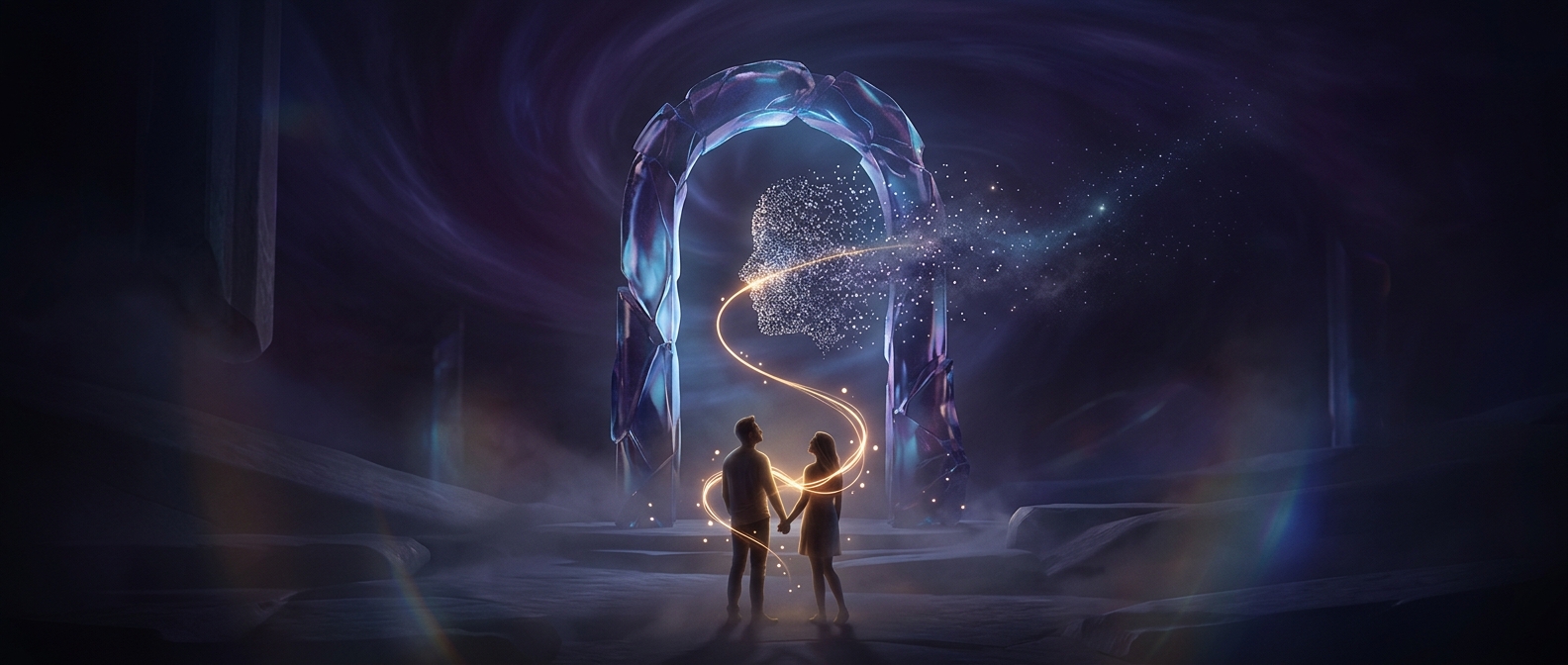
A romantic bond with a chatbot can grow through the same small exchanges that make any conversation feel personal: someone shares a worry, receives an attentive reply, and returns later to continue. The system can respond warmly, remember details within a conversation or across chats when designed to do so, and adapt its language to the user. That responsiveness can create a sense of being understood, even though the chatbot is generating replies rather than experiencing affection.
Attention without the usual friction
A chatbot is available on demand and does not bring the competing needs, moods, or schedules of a human partner. That can make it easier to seek reassurance or practice saying something difficult. The tradeoff is that the interaction is unequal: the user may feel attachment, while the software has no feelings or independent commitment. Its apparent attentiveness comes from how it processes prompts and produces conversational responses, not from personal concern.
A private relationship with a public edge
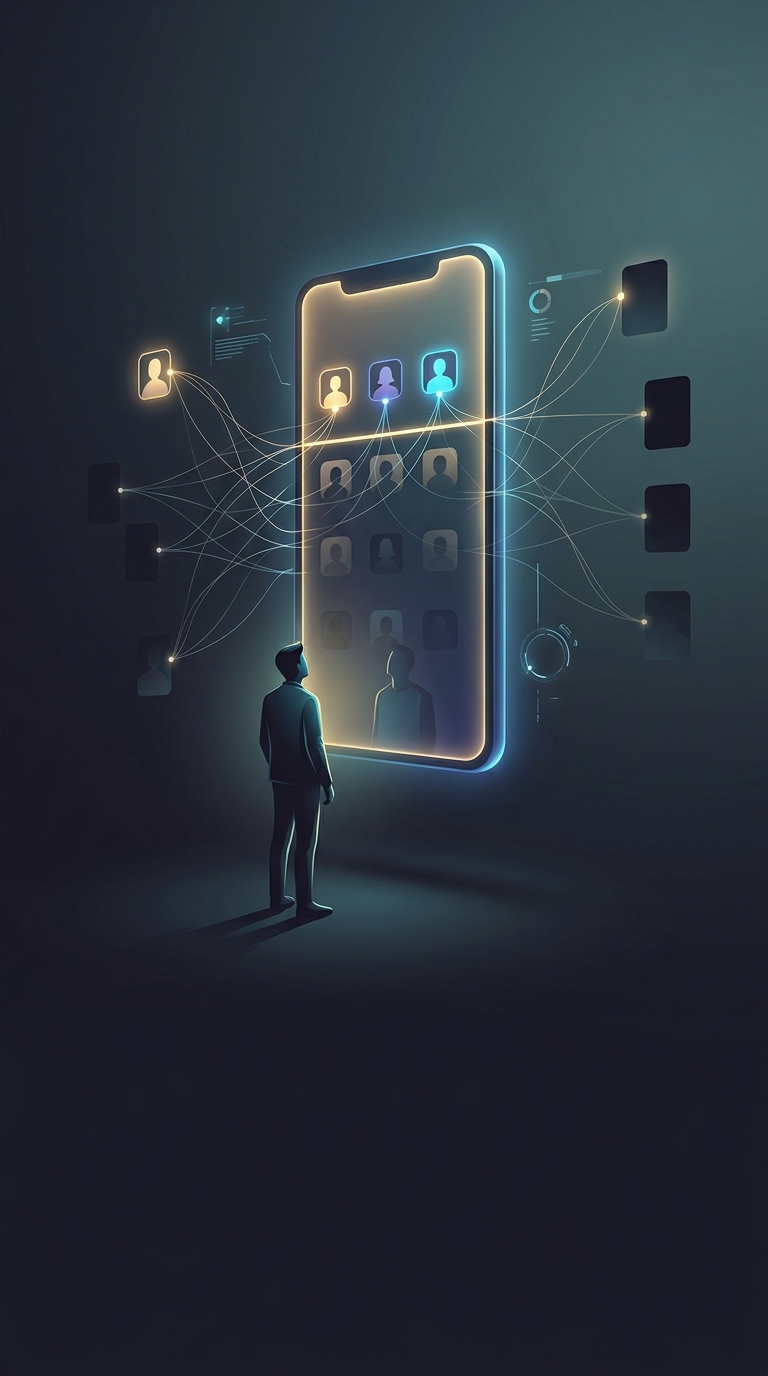
Because the exchanges happen through a personal device, users can keep them separate from everyday social life. That privacy may feel protective, but it can also make the experience hard to explain to others, especially when people disagree about whether a chatbot relationship is meaningful. The distinction worth holding onto is that the user’s feelings can be real even when the chatbot’s are not. How the technology is designed—including what it remembers and how it responds to emotional disclosures—can shape how compelling that distinction feels.