The border was a system, not a single wall
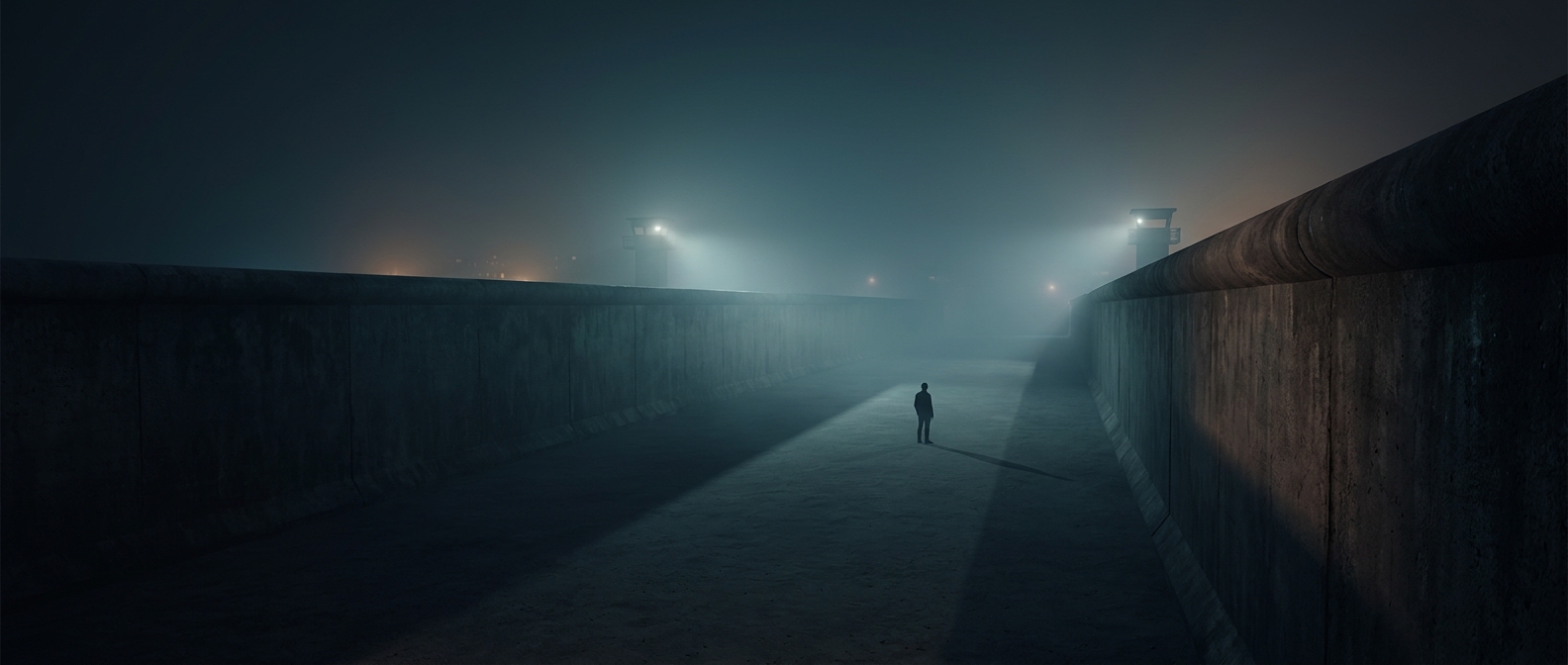
The Berlin Wall is often pictured as one concrete barrier. In many sections, however, the border was built in layers: a barrier on the East Berlin side, a cleared and guarded zone, and another wall or fence facing West Berlin. The exact layout varied, but the space between barriers was the crucial part.
That strip—often called the “death strip”—was kept open so guards could see movement and patrols could respond. Depending on the location, it contained watchtowers, lighting, alarm devices, patrol roads, and obstacles intended to slow or expose anyone trying to cross. “Trap” captures the danger, though it was not a sealed corridor with the same equipment everywhere.
Why leave space between the barriers?
A single wall could be climbed, breached, or approached under cover. Layering the border gave guards a chance to detect an escape attempt before someone reached the western barrier. If a person got over the first obstacle, the exposed ground left little shelter and still placed another barrier between them and West Berlin.
The arrangement also made the border easier to monitor and maintain. The cleared zone was not an accidental gap between two walls; it was part of the fortification itself. What looked from the West like a concrete boundary was, from the East, a controlled landscape designed to make crossing visible and difficult.