How a Doll’s Story Becomes Part of Its Price
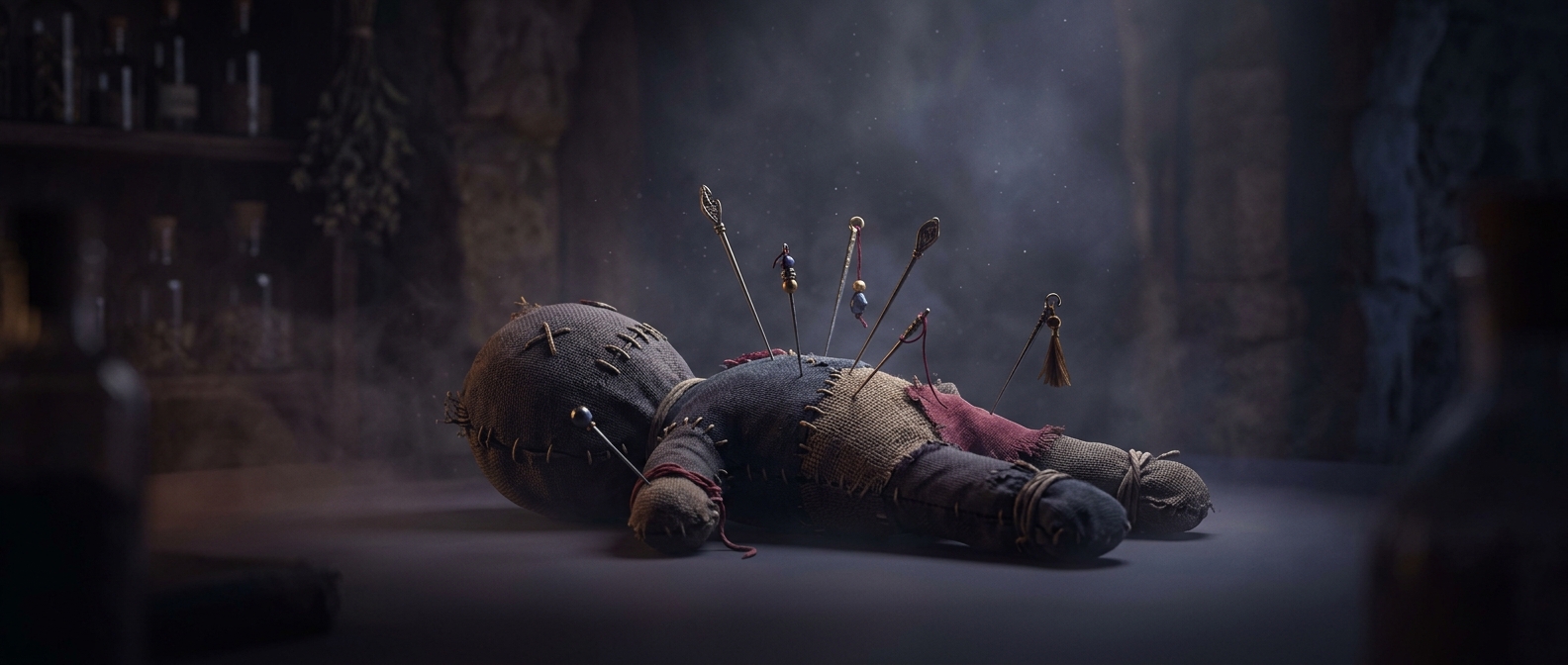
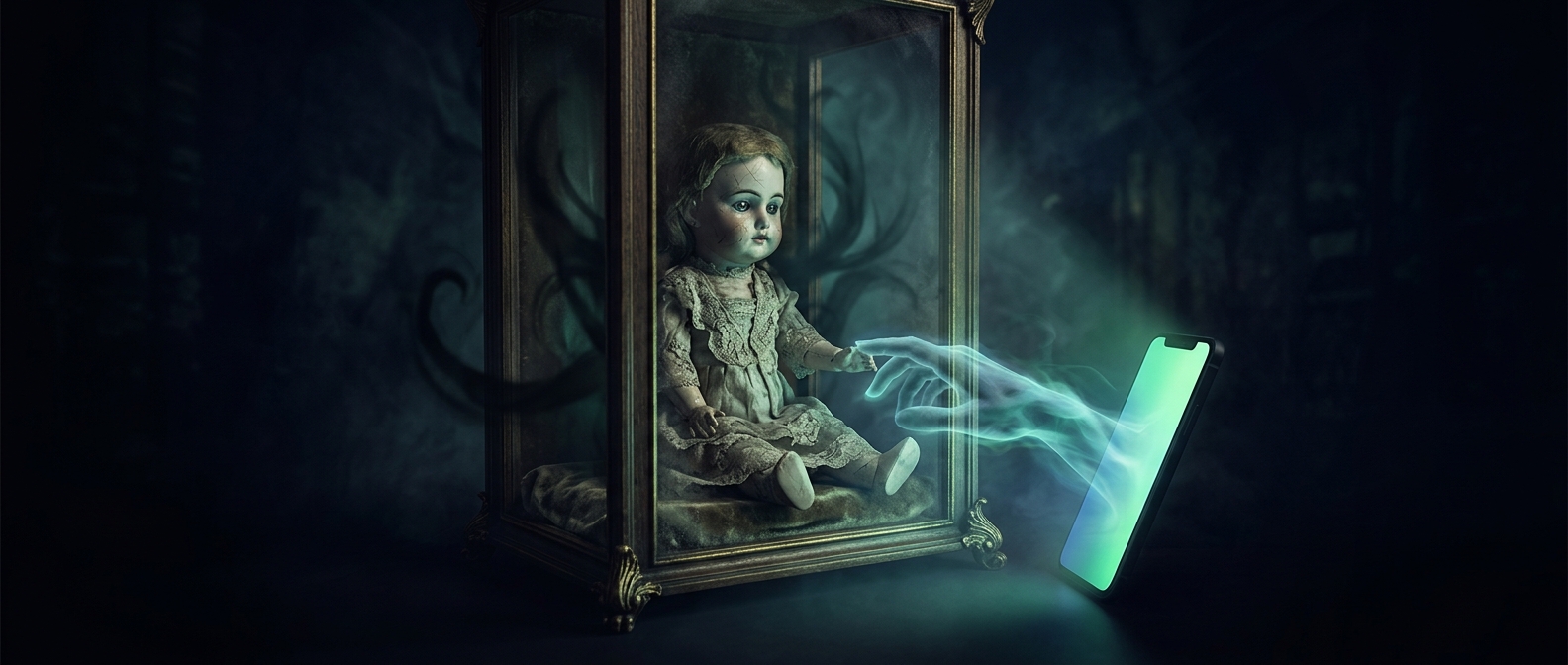
A secondhand doll has an ordinary history: it was made, bought, handled, and eventually passed along. An online listing can give that object a more dramatic one. A seller may describe unexplained noises, unsettling changes in the doll’s position, or a previous owner’s warning, turning a plain product description into a miniature ghost story.
The claim is not just decoration. It gives the doll a distinctive identity that a mass-produced toy or thrift-store find usually lacks. Buyers interested in paranormal lore may value the story itself, whether they regard it as credible, enjoy the suspense, or want a conversation piece. The listing can therefore sell an experience—the thrill of owning an object with a mystery attached—as well as the object.
Why the Claim Can Be Hard to Verify
Online, buyers usually cannot inspect a doll in person or trace every part of its past. A seller’s account may be sincere, embellished, or impossible to check from the listing alone. Photographs and careful wording can make the narrative feel vivid, but they do not establish that a supernatural event occurred.
That uncertainty is part of the appeal for some customers: the buyer can decide how much to believe. It also makes ordinary details—where the doll came from, what condition it is in, and what the seller actually promises—especially important when evaluating the purchase.
The Story Travels With the Object
Once the doll is sold, its new owner may repeat the tale, add a new one, or treat it simply as an unusual collectible. In that way, the listing does more than advertise a used toy: it packages an open-ended legend that can continue long after the sale.