Knotted cords as a map of hidden causes
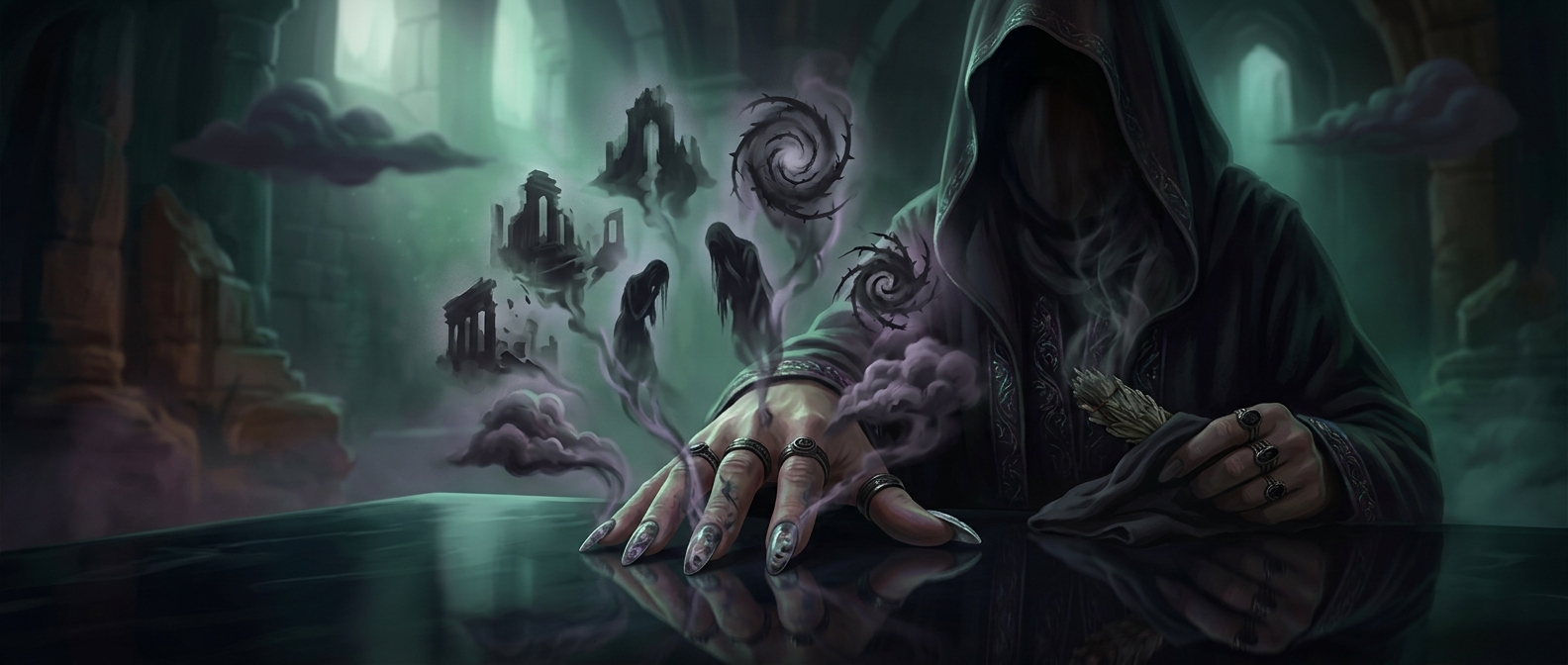
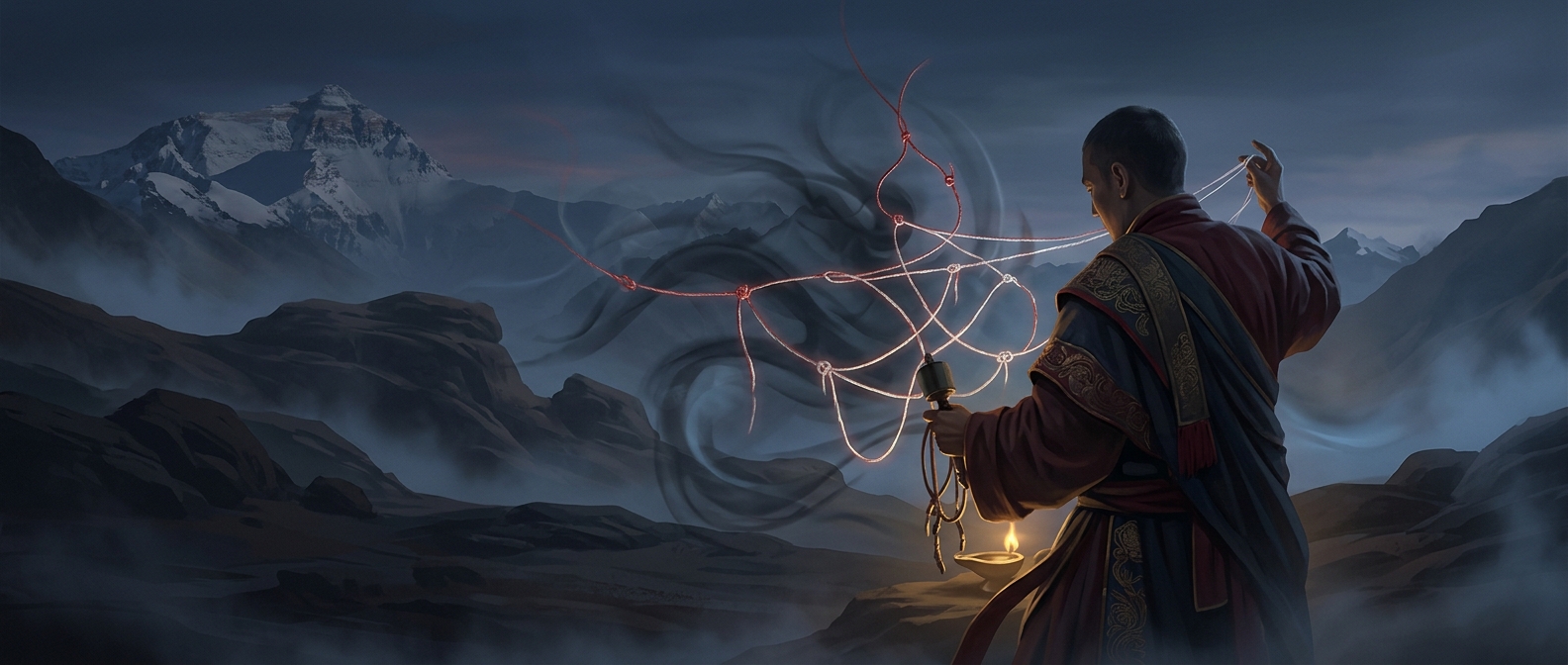
In Bön divination, Ju-thig used knotted strings as a way to interpret what could not be seen directly: the influence of elemental forces and nature spirits on everyday events. A diviner cast the cords and read their arrangement in relation to five elements—wood, fire, earth, metal, and water. The landing pattern was treated not as a random picture but as a sign that required skilled interpretation.
The knots gave the reading something concrete to work from. Rather than asking only whether an illness or change in weather would occur, a diviner could consider what force seemed involved and how it might be addressed. The method made an uncertain situation legible through a sequence of casting and interpretation.
From diagnosis to negotiation
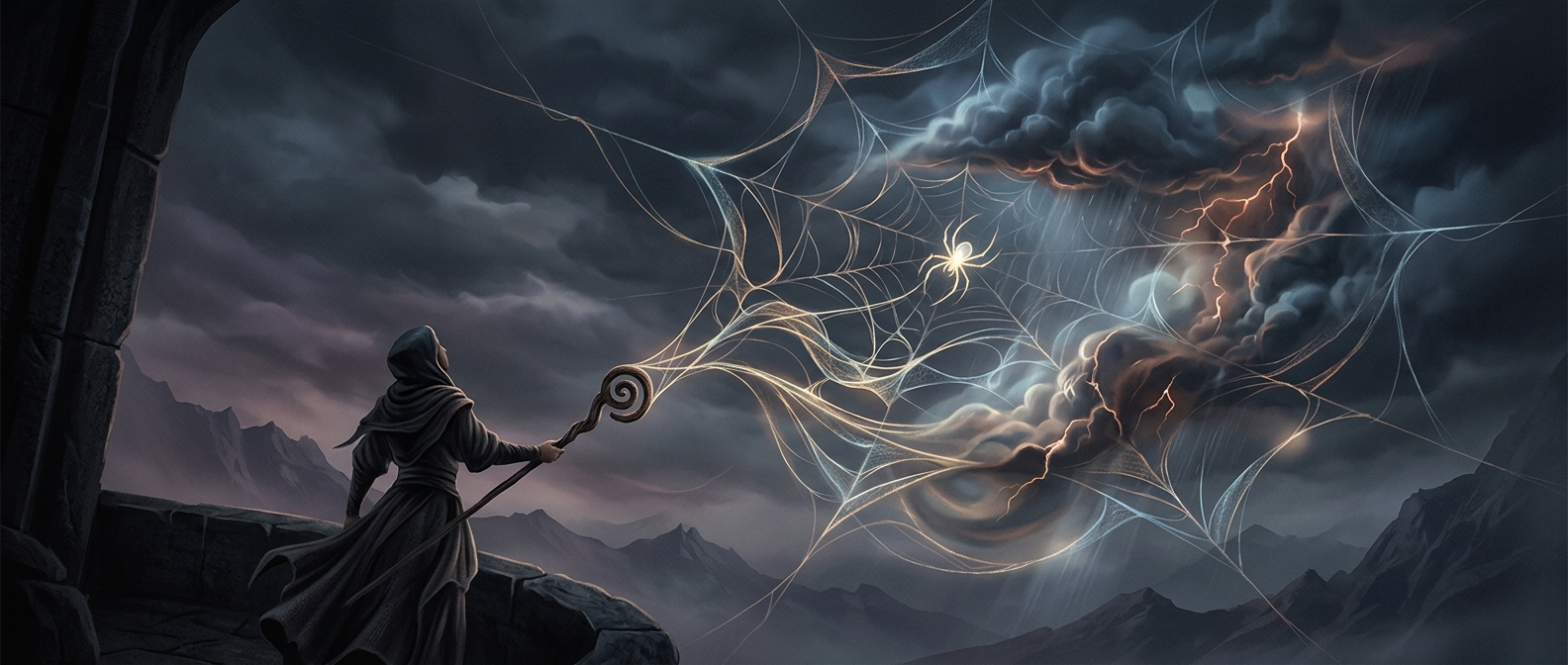
For illness, the reading could frame a problem as more than a bodily complaint: it might also involve a disturbed relationship with the surrounding world. For weather, it offered a way to anticipate conditions understood as shaped by elemental powers. In either case, the reading could guide what to do next, including efforts to appease or negotiate with a spirit believed to be involved.
That practical role helps explain why divination mattered. It connected signs to decisions, giving a community a ritual way to respond when the cause of a misfortune or a coming change was uncertain. The strings did not simply “predict” events; they supplied a framework for deciding which forces to take seriously and how to act toward them.