When the Characters Become the Protesters
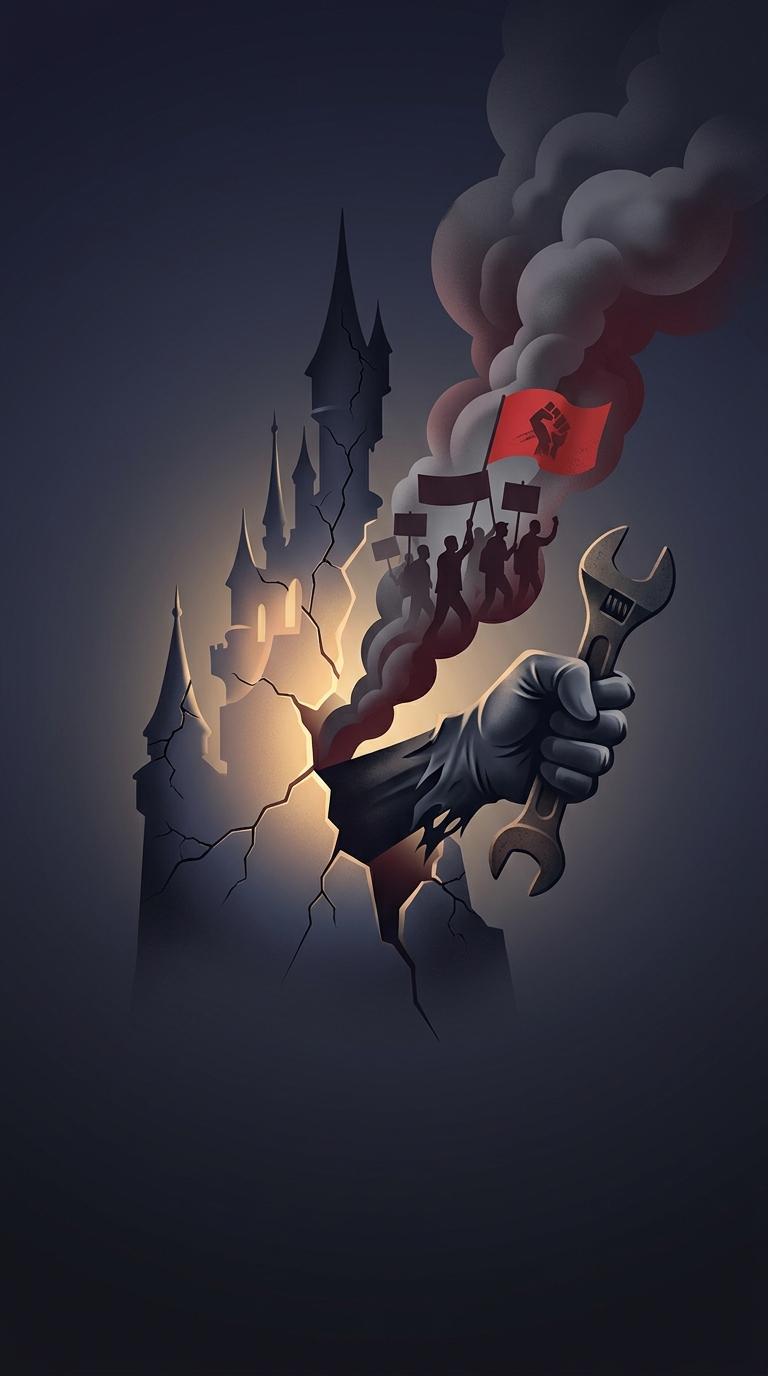
At Disneyland Paris, workers in Mickey Mouse and Cinderella costumes brought a labor dispute into the park’s most recognizable scenery. Their banners and demands for better pay made the contrast immediate: the figures usually presented as part of a carefully managed fantasy were also employees speaking about the conditions of their work.
That visibility changes how a workplace protest is read. A wage dispute can otherwise remain an internal matter, legible mainly through negotiations or staff communications. Here, visitors could see the people behind the characters taking collective action in the same public space where they normally perform. The costumes did not make the complaint less serious; they made the employees’ presence impossible to separate from the park’s public image.
The Work Behind the Performance
“Cast members” is Disney’s term for its employees, including the performers who appear as characters. Their work depends on maintaining an illusion for guests, but a theme park also depends on many people doing paid work behind that illusion. When workers stop performing and display protest banners instead, the usual boundary between show and workplace briefly gives way.
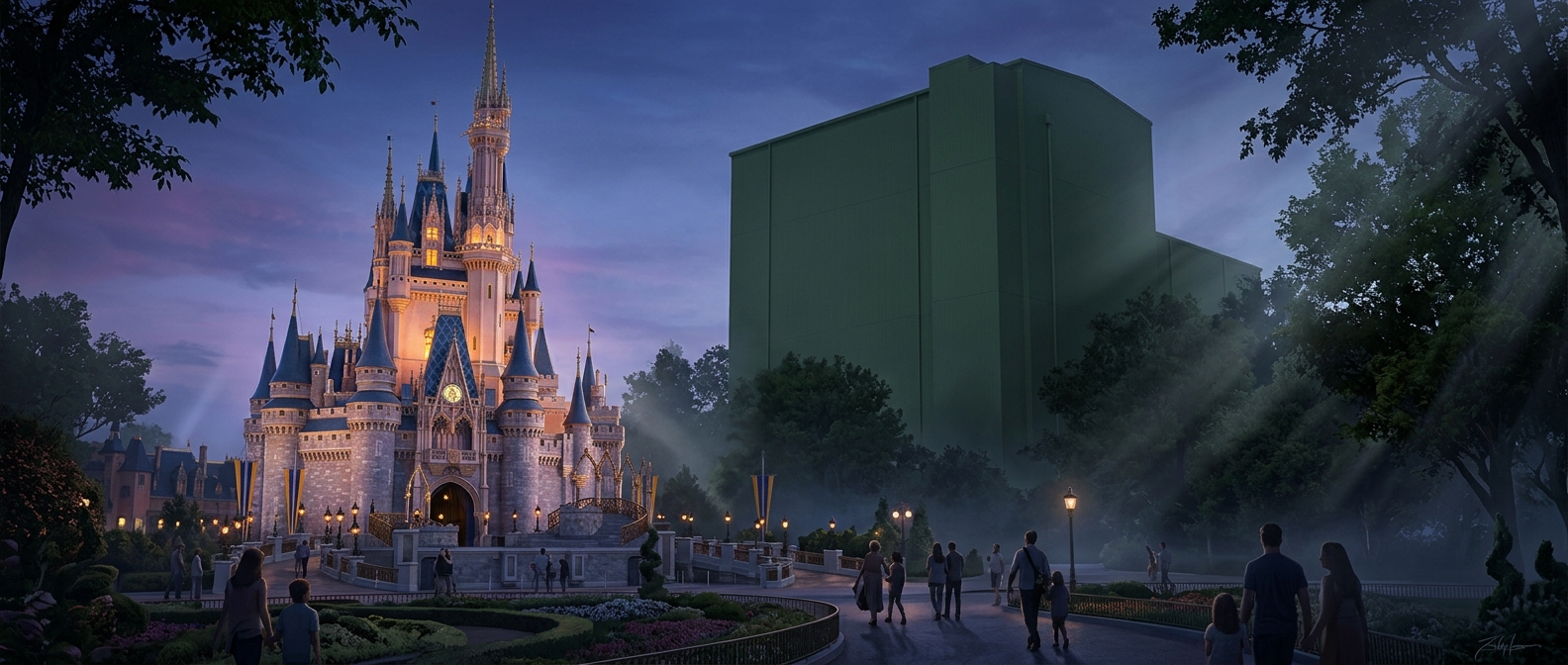
The setting sharpened that moment. A demonstration in front of Sleeping Beauty’s Castle placed a real dispute against one of the park’s central symbols. For guests, the scene offered an unusually direct reminder that the fantasy is produced by workers—and that those workers can use the visibility of the setting to make their demands seen.