Why One Galley Would Not Be Enough
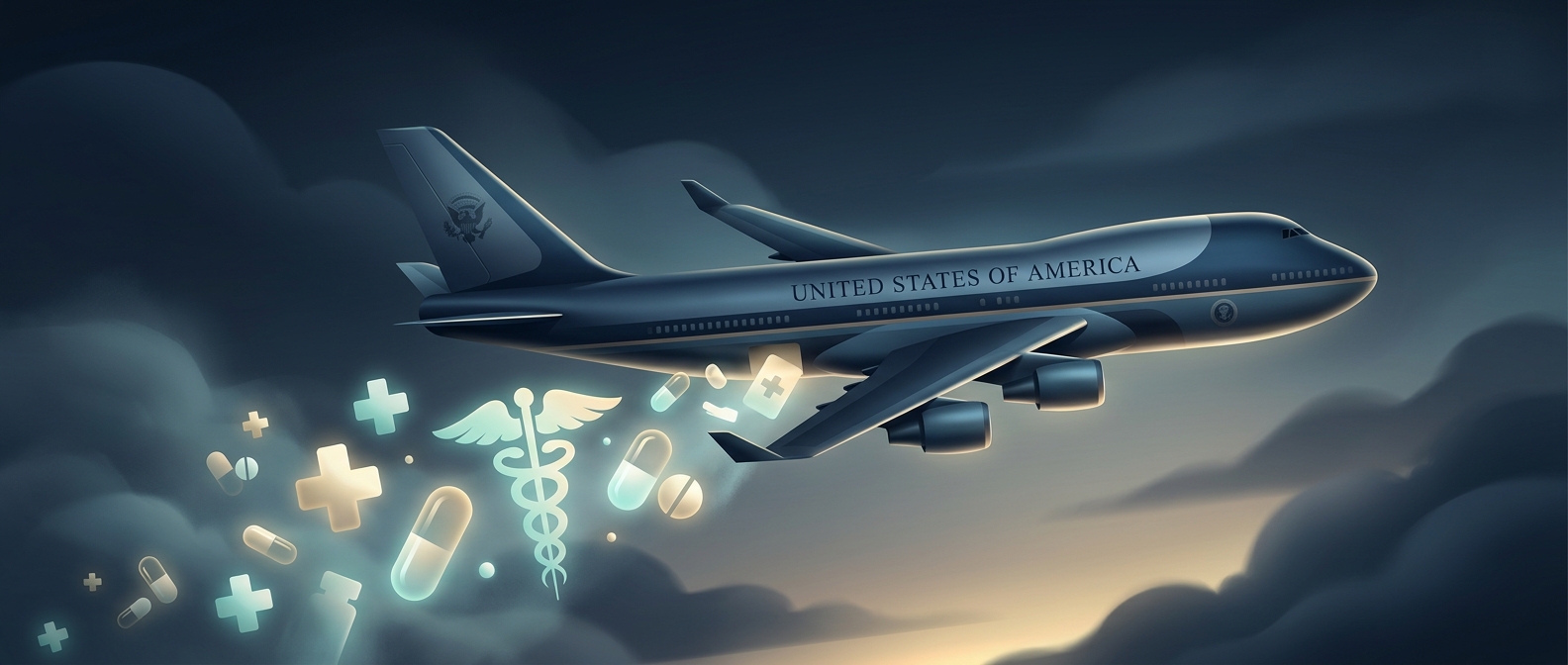
A presidential flight is more like a small, moving workplace than a private jet carrying only a few passengers. The president travels with aides, security personnel, flight crew and other staff, and meals have to reach people working in different parts of the aircraft without bringing service to a halt.
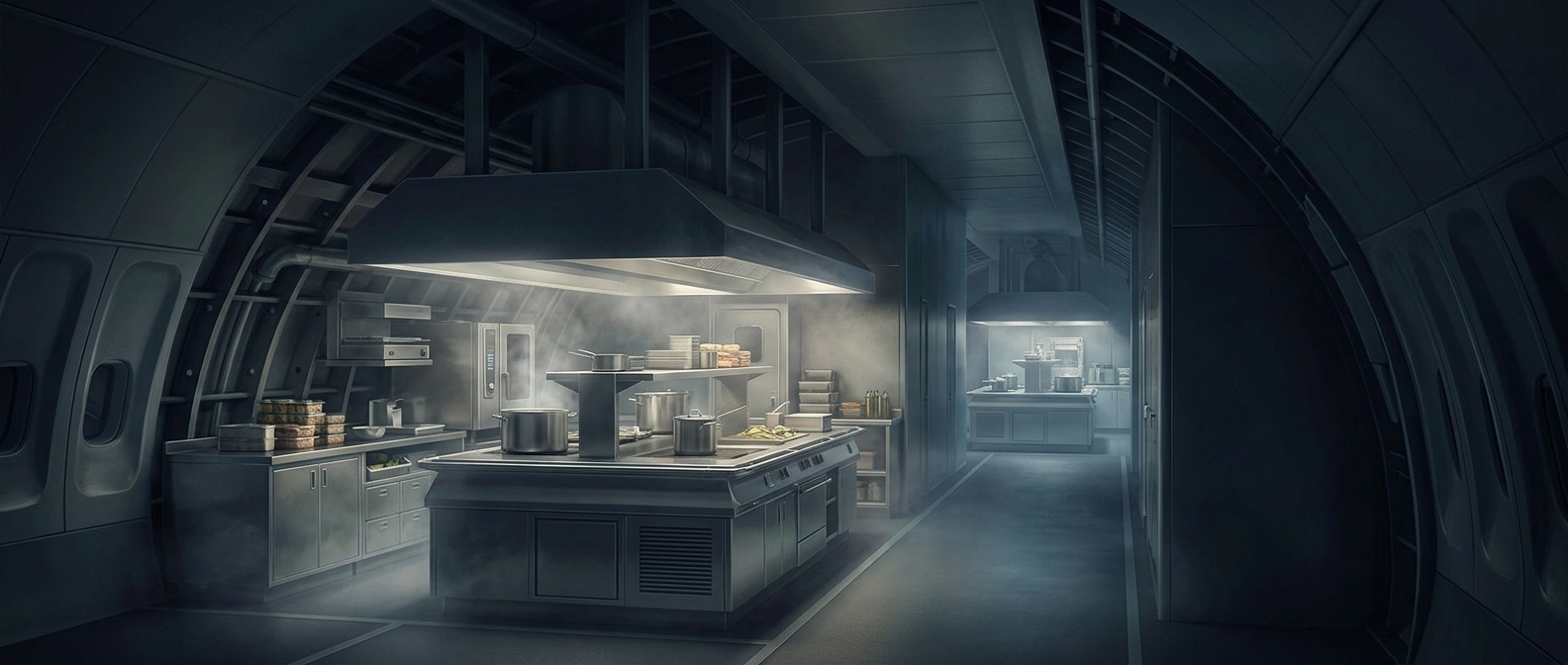
An aircraft galley is its compact onboard kitchen: equipment and storage arranged for preparing, heating and serving food in a confined space. Two full galleys give the crew separate work areas, so meal preparation and service can be spread across the cabin rather than funneled through a single station. That matters on a long flight, when people may need to eat at different times while other duties continue.
Kitchens Built for a Moving Aircraft
These are not restaurant kitchens transplanted into a plane. Space, weight and safe operation constrain what can be installed, so onboard cooking relies on specialized equipment and food that can be prepared or reheated within those limits. The kitchens must also keep supplies organized and serviceable while the aircraft is moving through turbulence and operating at altitude.
The extra galley is therefore less about luxury than workflow: it lets a large traveling team be fed without making one cramped work area the bottleneck. On a presidential flight, even a routine meal has to fit around the aircraft’s central job—keeping people working while the journey continues.