Why a 747’s paint becomes a payload
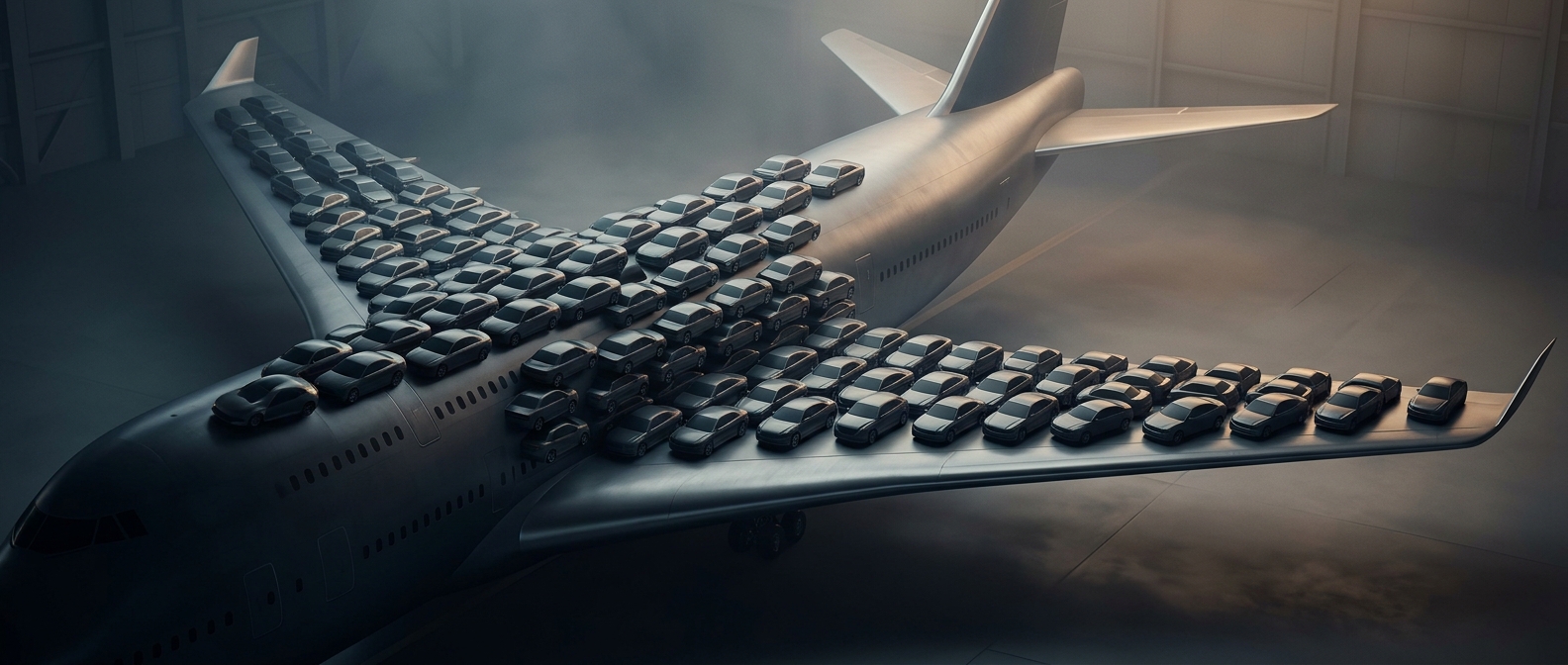
A Boeing 747 has an enormous exterior to cover: its wings, fuselage, tail, and other surfaces add up to thousands of square feet. Paint is applied in thin layers, but a thin film over that much area still adds substantial weight. The final amount depends on the aircraft’s paint scheme and how many coats are needed; the key point is that the coating is spread across nearly the whole airframe, not concentrated in one place.
The tradeoff between protection and weight
Paint is more than decoration. It helps shield the aircraft’s outer surfaces from moisture and other environmental exposure that can contribute to corrosion. Keeping the metal protected supports the airframe’s long service life, so removing paint simply to save weight is not a free improvement.
But an airplane must lift everything it carries. Extra mass requires extra lift, and generating that lift creates drag; the engines must supply more thrust to overcome it. That means a heavier painted aircraft generally uses more fuel over a flight than the same aircraft would at a lower weight. The effect is small on any one stretch of flying, but it persists for as long as the extra weight is aboard.
Why airlines care about a coat of paint
Airlines balance the protective value of a coating against the operational cost of carrying it. Paint schemes can also differ in how much surface they cover and how many layers they require, so a repaint is a practical maintenance choice as well as a visual one. The surprising part is the scale: a coating that feels nearly weightless on a small object becomes a load when spread across a jumbo jet—and the aircraft has to carry that load through every flight.