Why a Plane Can Blend Into the Sunset
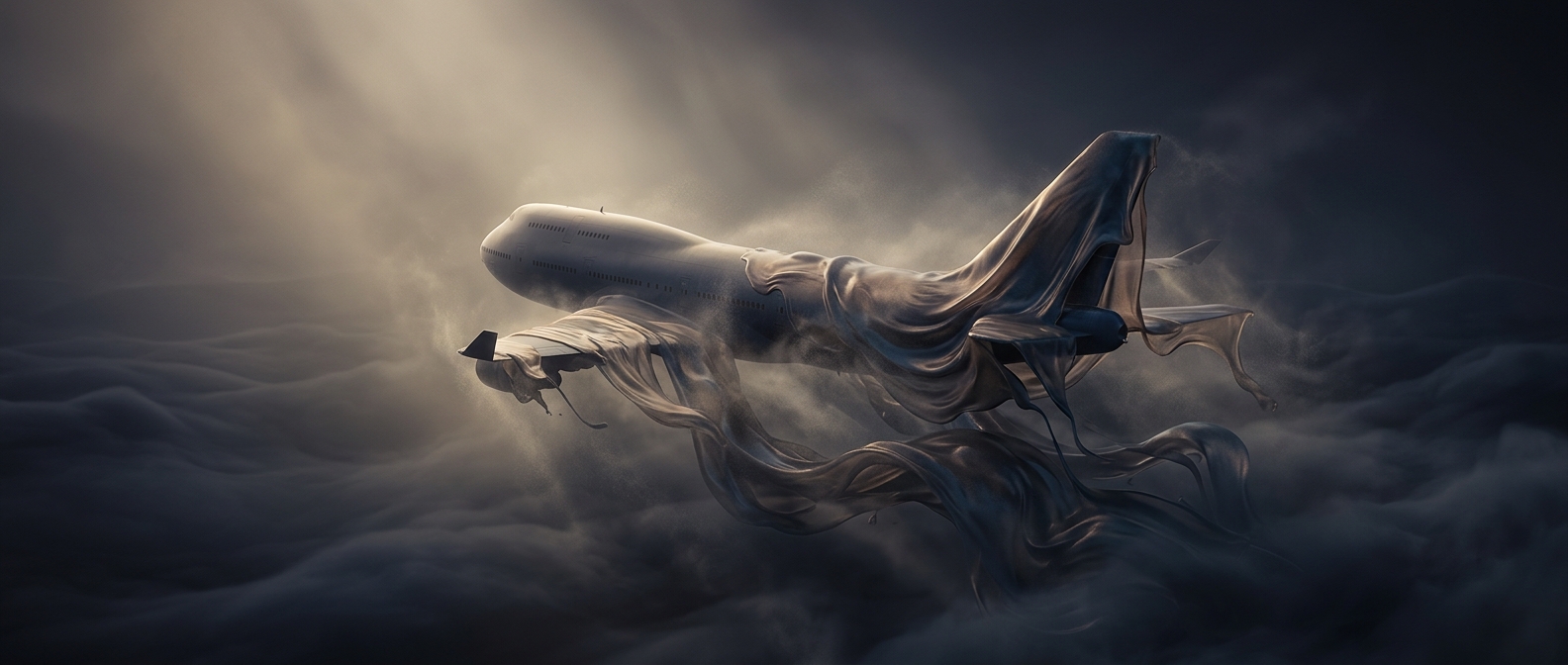
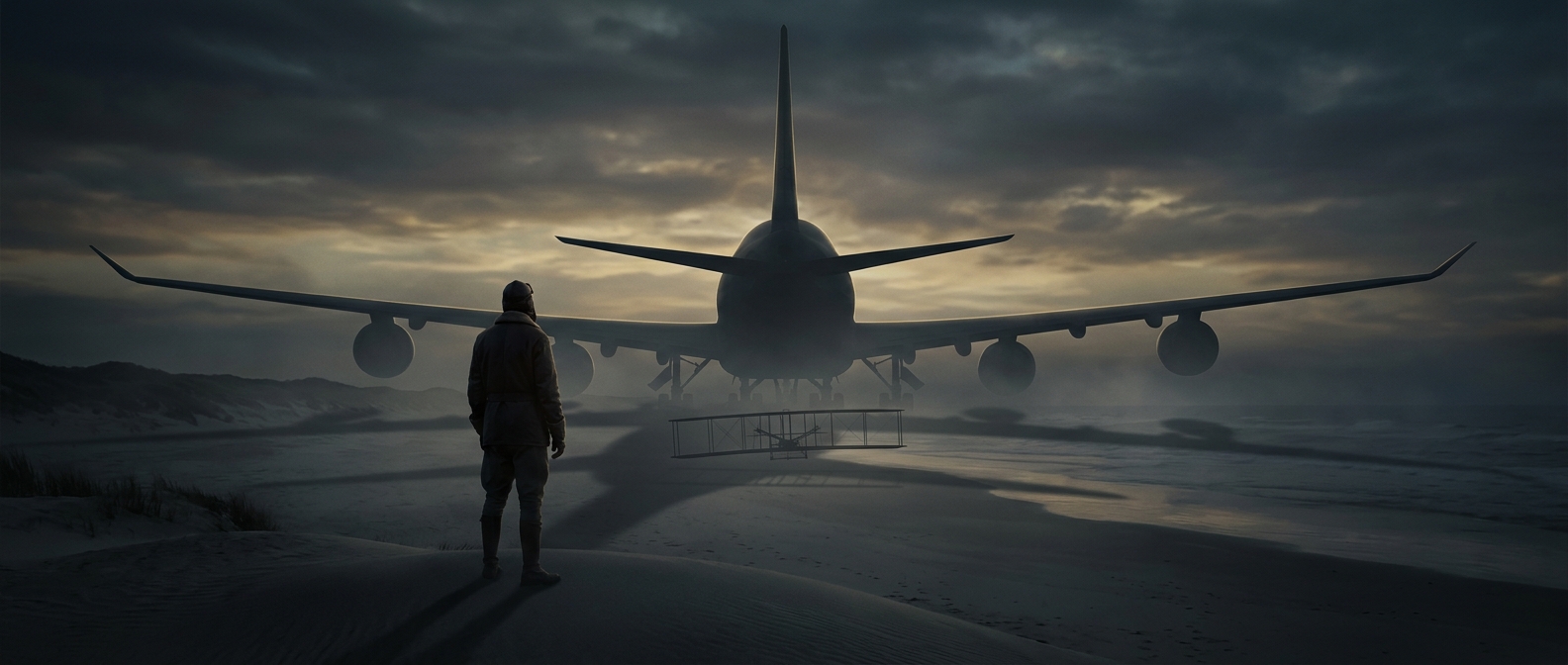
An aircraft is visible against the sky mainly because its outline differs from the brightness and color around it. Near sunset, that difference can shrink: the sky close to the horizon may be intensely bright, while the plane’s underside is comparatively dark. With little contrast at the edges, the aircraft’s shape becomes hard to pick out even if light still reaches your eyes from it.
The plane is also a small target. From the ground, its apparent size may be only a tiny patch in your field of view, so the eye has fewer visual details to use than it would for a nearby object. A slight loss of edge contrast can erase the cues that let you recognize its wings and fuselage.
Glare Makes the Edge Harder to See
When you look toward a bright sunset, scattered sunlight in the atmosphere adds a veil of brightness across the view. That stray light reduces contrast—a little like a film of haze over a photograph. Your eyes also adjust to the bright scene, making dimmer details around it less noticeable. Together, these effects can make a dark aircraft merge with the glowing background.
The effect depends on the exact angle. A plane against a darker cloud or a patch of blue may stand out; the same plane crossing a bright band near the horizon may seem to disappear. As it moves into a different part of the sky, its outline can suddenly become clear again.
Lights Do Not Always Solve It
Aircraft lights can provide useful points of brightness, but they do not necessarily restore the whole outline. At a distance, a small light may be difficult to distinguish from the bright background, and the aircraft’s shape can remain indistinct. The apparent disappearance is therefore a brief failure of visual contrast—not a change in the airplane itself. A few seconds of movement can carry it out of the glare and make it seem to reappear.