A cargo door shaped the 747’s profile
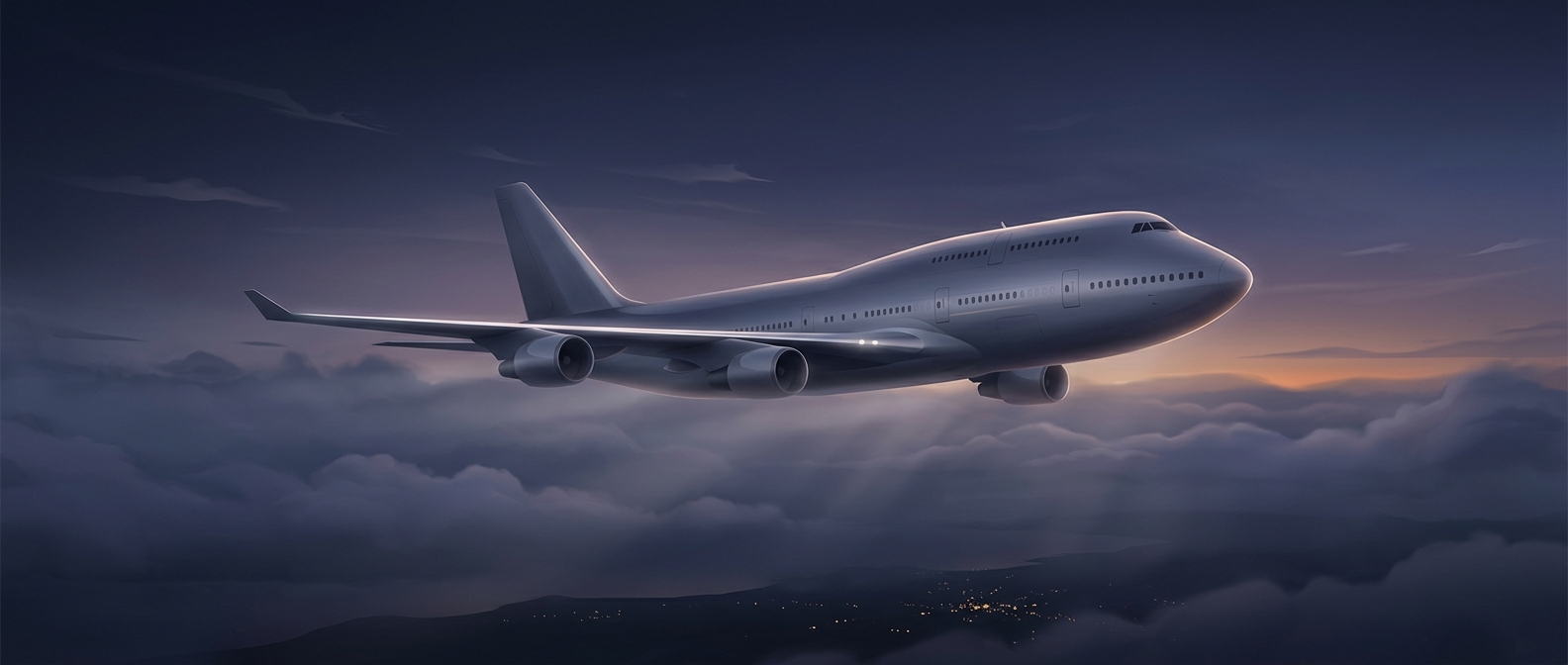
The 747’s hump was not simply a styling choice. Boeing’s design had to accommodate a nose that could swing upward so long or bulky freight could be loaded straight into the fuselage. Putting the cockpit above the main cargo deck kept the pilots out of the way of that opening—and left a raised section behind them that could be used as a small upper cabin.
That arrangement solved a practical loading problem while giving the aircraft a recognizable silhouette. It also meant the passenger version could use the same basic layout: travelers sat on the main deck, with a smaller cabin above the cockpit.
Planning for a different kind of future
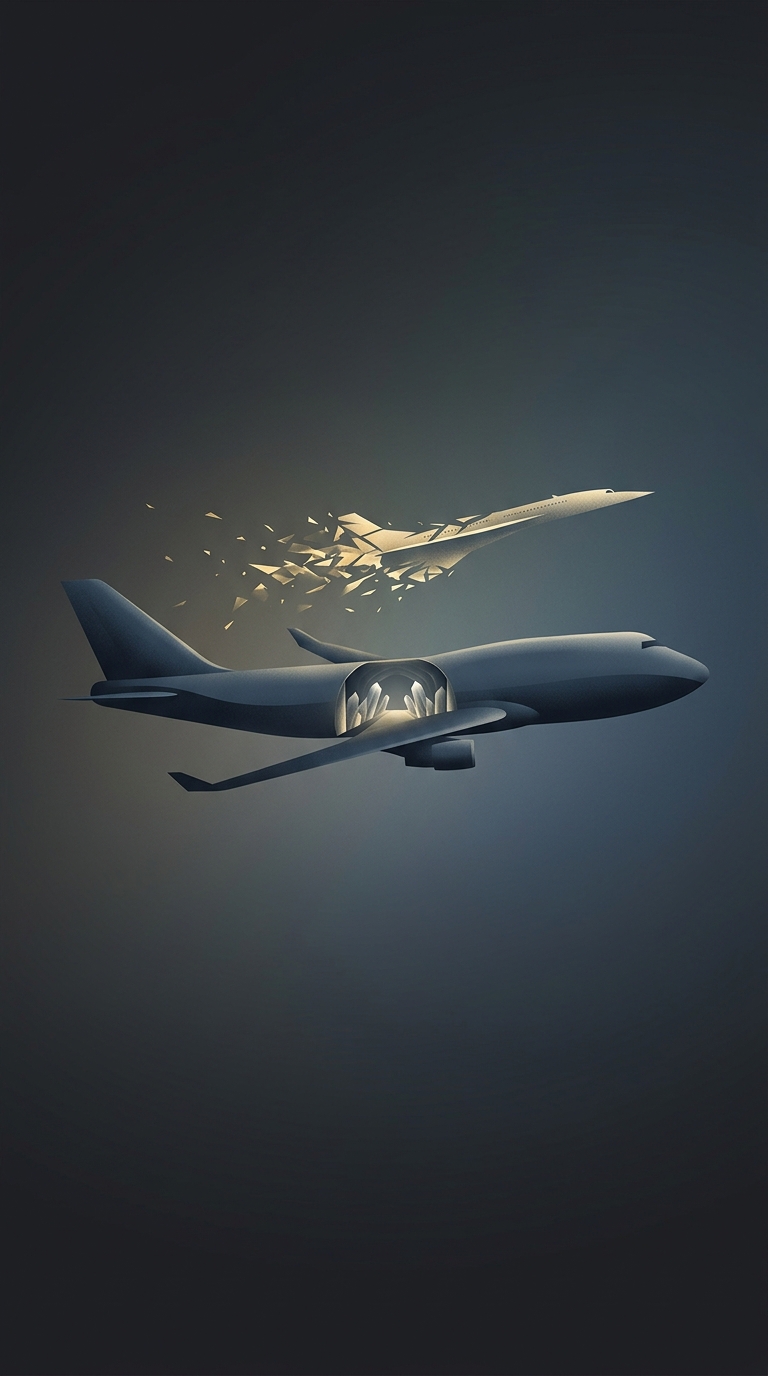
When Boeing was developing the aircraft, the company expected supersonic passenger planes—airliners designed to fly faster than sound—to take over much of the long-distance passenger market. The 747 was therefore also designed with freight in mind, a role that could remain valuable even if passenger travel shifted to faster aircraft.
The tradeoff was deliberate. A nose that opened for cargo required the flight deck to sit higher, and the upper cabin followed from that structural choice. The hump became useful for passengers, but its underlying logic was about making the airplane easier to load.
Supersonic airliners did not replace conventional passenger jets as Boeing anticipated. The 747’s adaptable layout nevertheless helped it serve both passenger and freight operations. On cargo versions, the same raised cockpit still clears the way for the nose to open and freight to enter through the front.