How a Wing Turns Forward Motion Into Lift
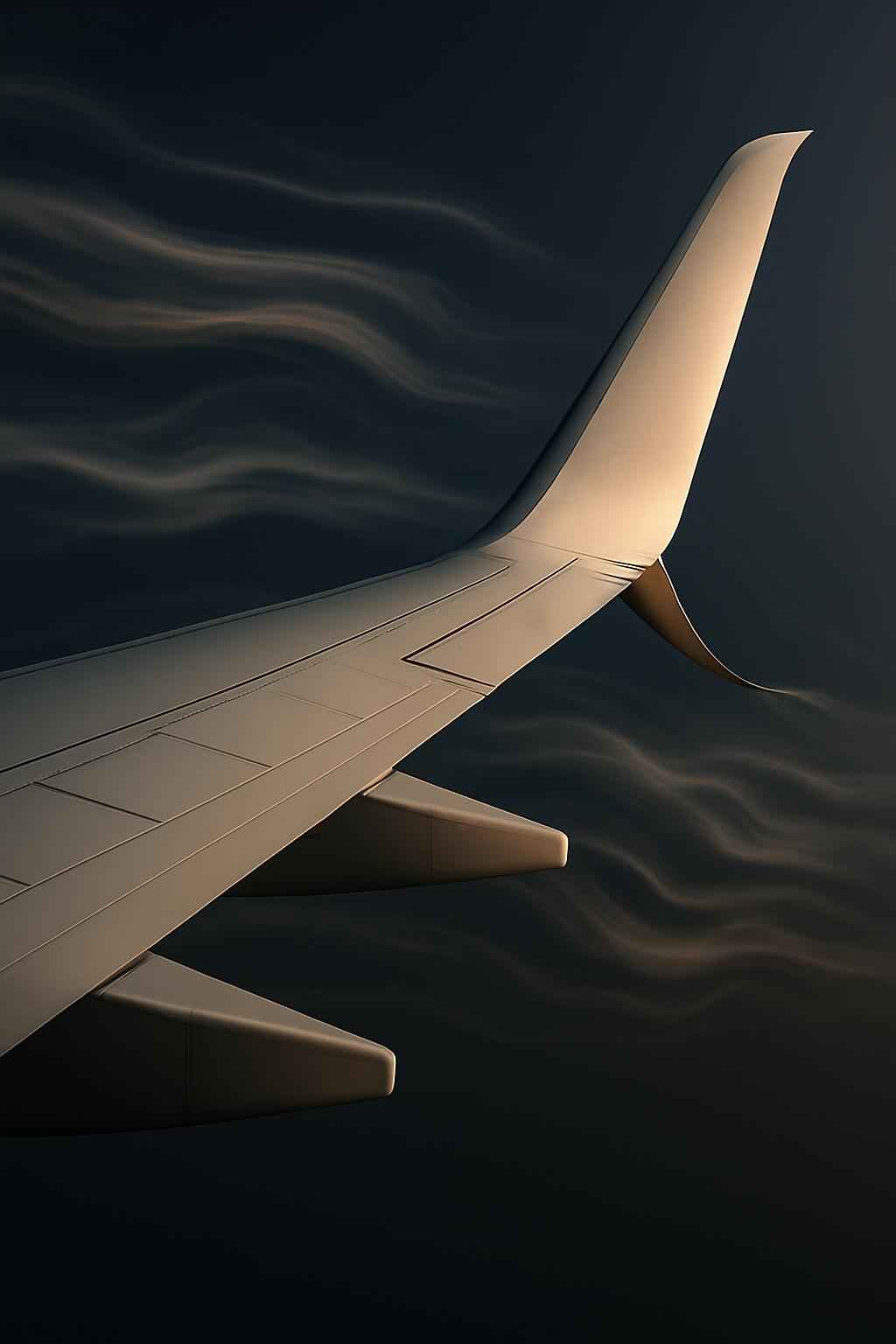
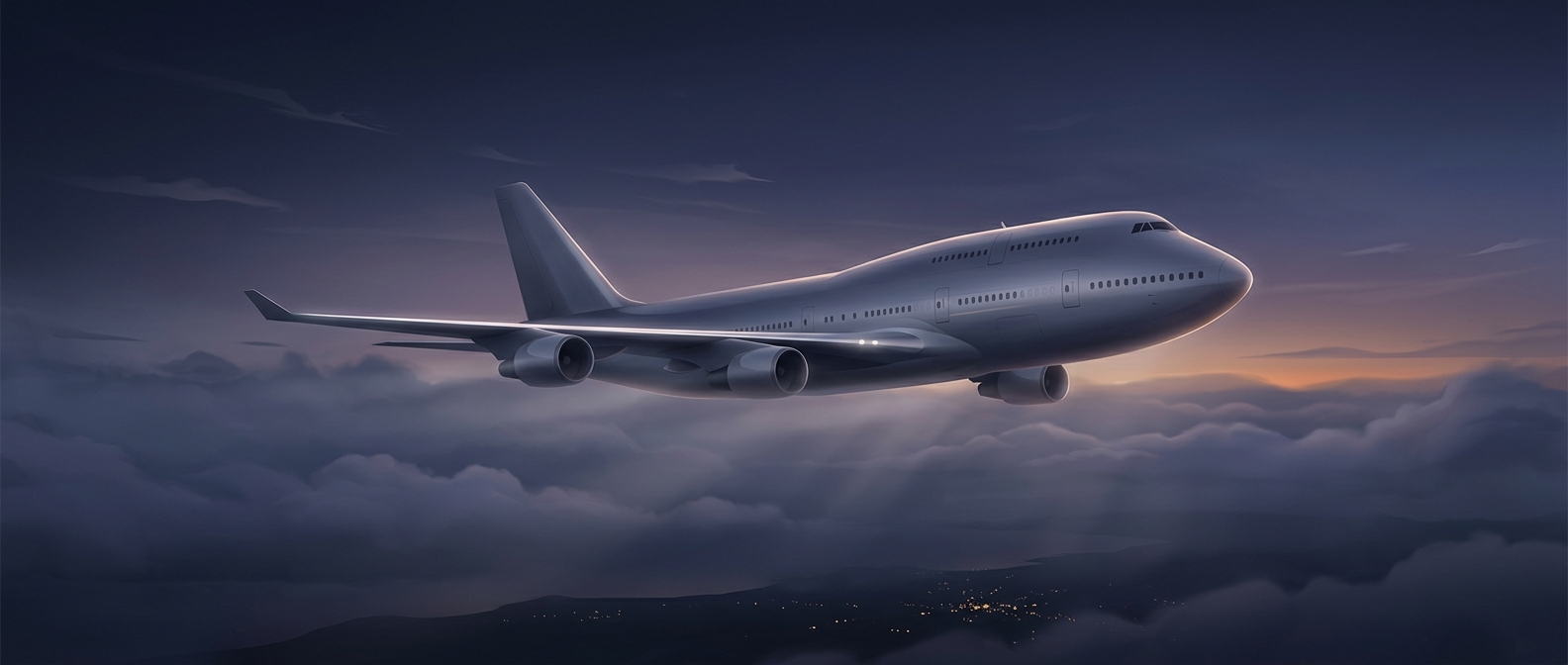
A jumbo jet does not rest on a cushion of air. As it moves forward, each wing meets air and guides much of it downward. The wing’s shape and angle help create that deflection; in response, the air pushes the wing upward. That upward force is lift. The same interaction can also be described in terms of pressure: airflow over and under the wing produces a pressure difference that contributes to the upward force.
The key is not simply that air passes over the wing, but that the aircraft keeps meeting fresh air. The engines provide thrust, pushing the plane forward and sustaining the airflow that makes lift possible. The engines do not directly hold the aircraft up; the wings do that work by continually redirecting air.
Why a Heavy Jet Needs Speed
Lift depends on how much air the wings encounter and how strongly they redirect it. At low speed, the wings cannot generate enough lift to support the aircraft, so a jet must accelerate along the runway before it can climb. Its large wings provide a broad surface for working on the airflow, but the aircraft still needs substantial speed—especially when carrying passengers, fuel, and cargo.
Once airborne, the plane’s weight is balanced by lift. If it slows too much, or its wings are held at too small an angle to the airflow, lift falls. Pilots manage speed and wing angle to keep the upward force sufficient; flaps, movable panels on the wings, can increase lift during slower phases such as takeoff and landing.
The Persistent Exchange
The apparent trick is really a continuous exchange of momentum: engines keep the aircraft moving, and the wings keep turning air downward. The jet stays aloft not because its weight disappears, but because the air is being pushed down fast enough to provide an equal supporting force upward.