Why a wingtip vortex costs an airplane energy
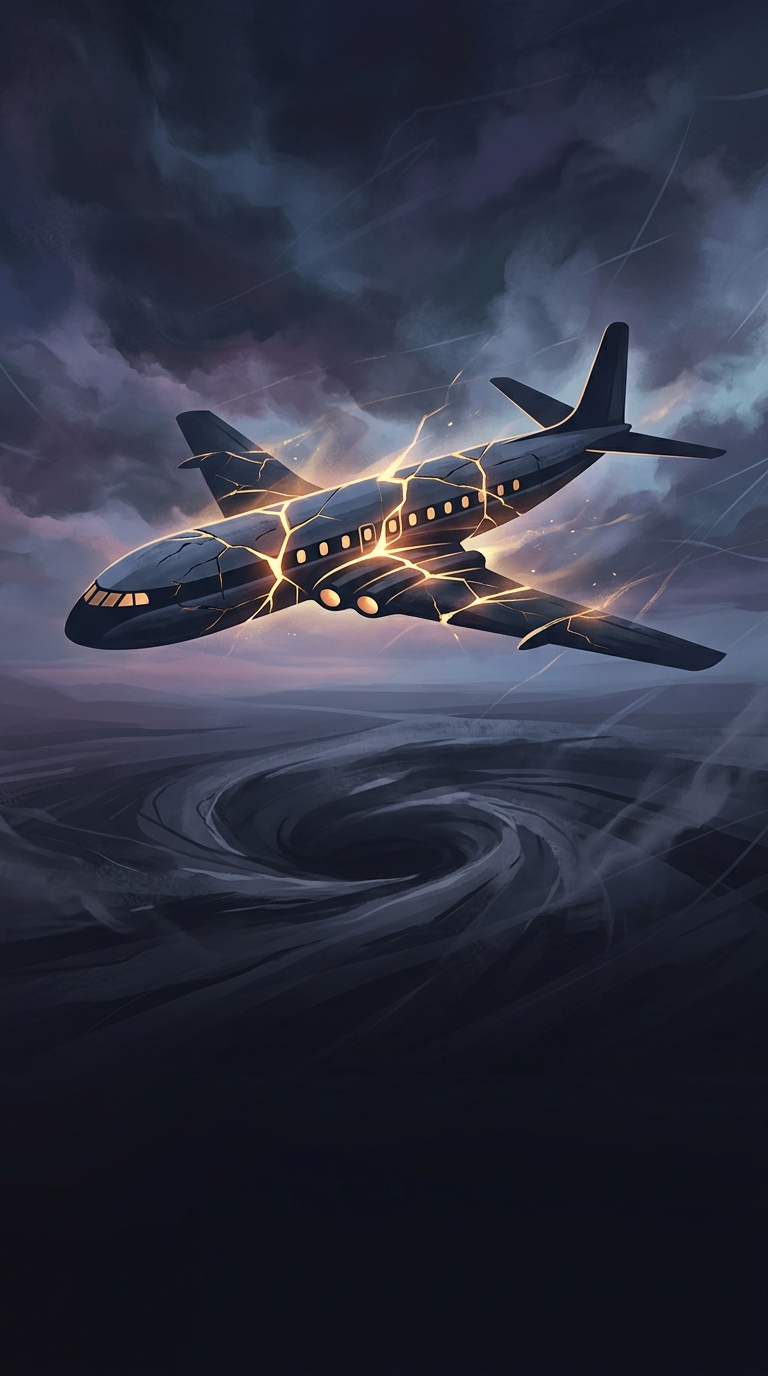
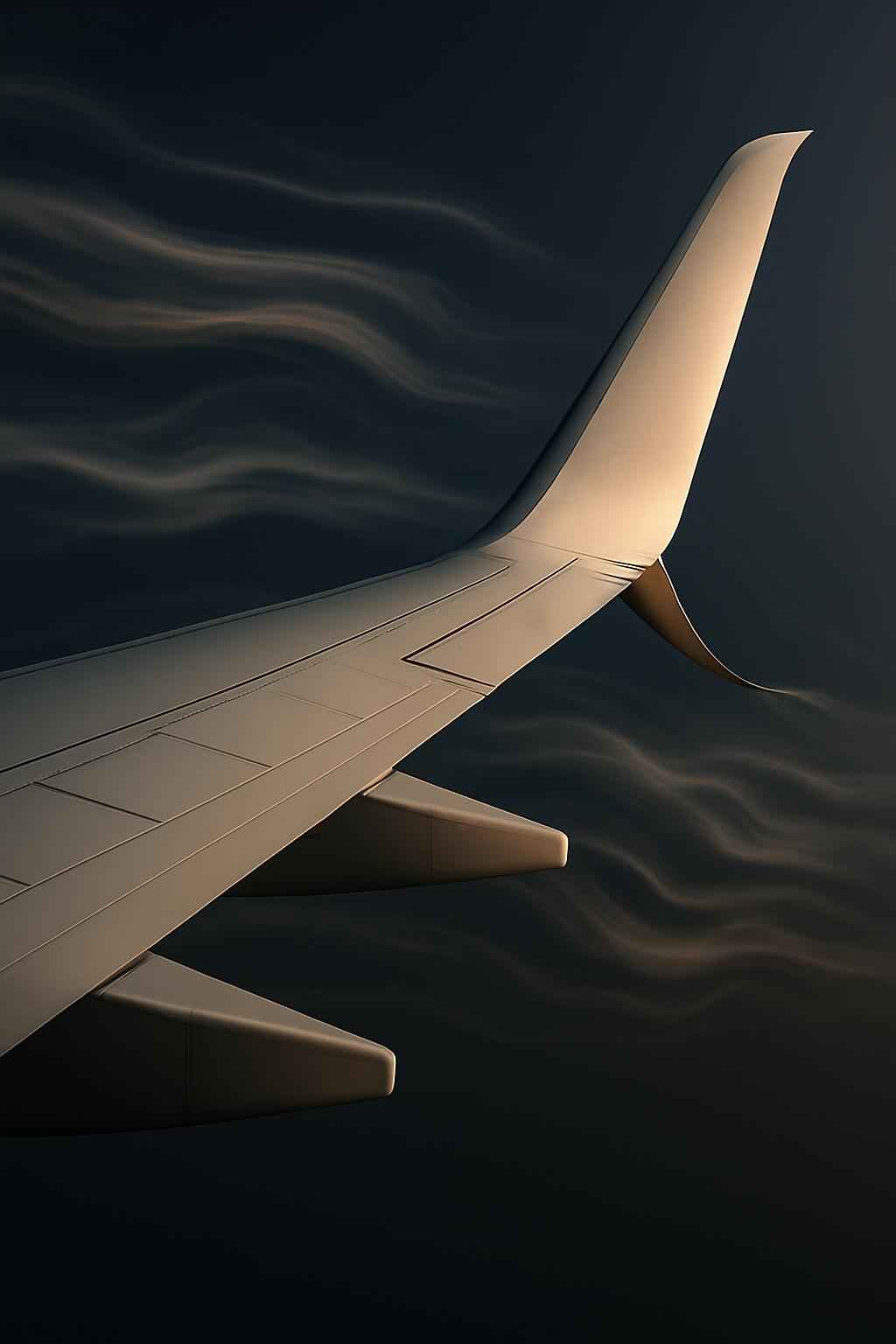
A wing makes lift by creating higher pressure beneath it than above it. Near the tip, air tends to spill from the high-pressure side toward the low-pressure side, rolling into a swirling wake. The wing’s path through that disturbed air produces induced drag: resistance that the engines must overcome, especially when the aircraft is producing substantial lift.
The smoke trails Richard Whitcomb studied in a wind tunnel made this invisible flow visible. Their twists showed that the wingtip was not simply shedding air behind it; the shape of the tip was organizing a persistent swirl.
A fin that guides the spill
Whitcomb’s winglet gave the airflow a different route. The small vertical surface at the wingtip helps redirect the sideways-moving air, weakening the concentrated vortex and reducing the drag associated with it. The vortex does not vanish—the wing still has to generate lift—but the wake can be less costly.
A winglet also behaves somewhat like a tiny vertical wing, so it creates forces of its own. Those forces load the main wing and can add weight and structural demands. Designers therefore have to balance the drag savings against the extra material and stresses; the best shape and size depend on the airplane and how it is flown.
Why a small change matters
The benefit is cumulative. An airplane that needs less thrust to overcome drag can use less fuel for the same flight, though the gain depends on the aircraft and operating conditions. Whitcomb’s key insight was that the wing’s edge could be treated as an active part of the aerodynamic design—not merely a place where the wing ended. A short fin can influence the swirling wake left far behind the aircraft.